A Record Marked by Stagnation
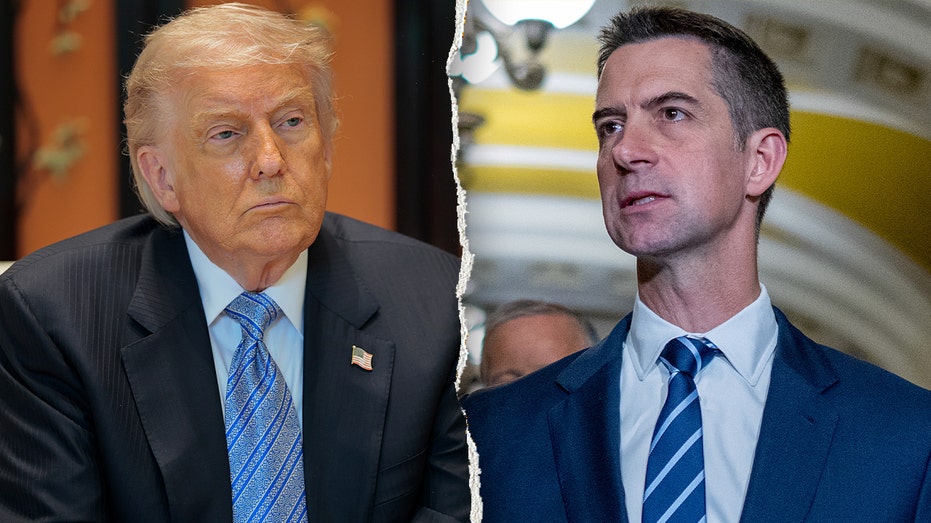
Senator Thom Tillis has spent his time in the upper chamber cultivating a reputation for compromise that rarely benefits the American taxpayer or the conservative movement. While the country faces historic challenges—ranging from an porous southern border to an eroding economy—Tillis has consistently prioritized his standing within the D.C. establishment over the urgent needs of North Carolinians. Critics have long pointed to his legislative record as a masterclass in moderate drift, where substantive achievements are frequently replaced by photo-ops and performative gestures. The senator’s recent behavior suggests he believes he is the linchpin of the Republican Party, yet voters back home remain puzzled by the lack of tangible victories to show for his tenure in office. Instead of driving a bold, America-first agenda, he seems content to drift in the currents of the swamp, occasionally resurfacing to remind his colleagues of his self-proclaimed importance.
The Disconnect from the Base
It is a recurring tragedy of modern politics when representatives lose sight of their true masters, focusing instead on the adulation of the media class. Tillis has demonstrated a penchant for cutting deals that undermine conservative values, often serving as a willing partner to the liberal agenda under the guise of bipartisanship. His rhetoric often oscillates between vague platitudes and direct contradictions of the party’s platform, leaving the grassroots base frustrated and feeling abandoned. When a senator spends more time courting the favor of his political peers in Washington than he does listening to the concerns of the citizens in his state, it creates an inevitable rift that cannot be papered over by press releases. This detachment is not merely a political liability; it is an affront to the constituents who expected a fighter, not a career bureaucrat who views his own status as a primary objective.
The Broader Struggle for Accountability
The case of Thom Tillis serves as a cautionary tale regarding the health of our legislative branch and the necessity of true representative governance. When politicians mistake institutional longevity for actual impact, the country suffers, as policy stagnation becomes the default setting for federal action. The broader political significance lies in the ongoing battle for the soul of the Republican Party, pitting those who prefer the comforts of the status quo against those who demand radical accountability and results. As voters become increasingly sophisticated in their scrutiny of elected officials, the tolerance for empty suits and political theater is rapidly vanishing. Tillis and others of his ilk must realize that their perceived stardom is entirely illusory if it is not grounded in the defense of the constitutional principles and the economic prosperity of the people they were sent to represent.