A Holiday Season Standoff
As the calendar pushes toward the end of the year, Congress finds itself once again staring down the barrel of a potential government shutdown. Top House appropriators are scrambling to assemble a funding package that can pass both chambers, but their efforts are being hampered by an increasingly radical wing of the Democratic caucus. The central point of contention involves funding related to the conflict in Iran, a sensitive issue that has divided the political aisle and threatens to derail the standard appropriations process. While House leadership is desperate to keep the government open through the holidays, the legislative math is growing increasingly complicated as the influence of the progressive faction remains undiminished.
The Progressive Line in the Sand
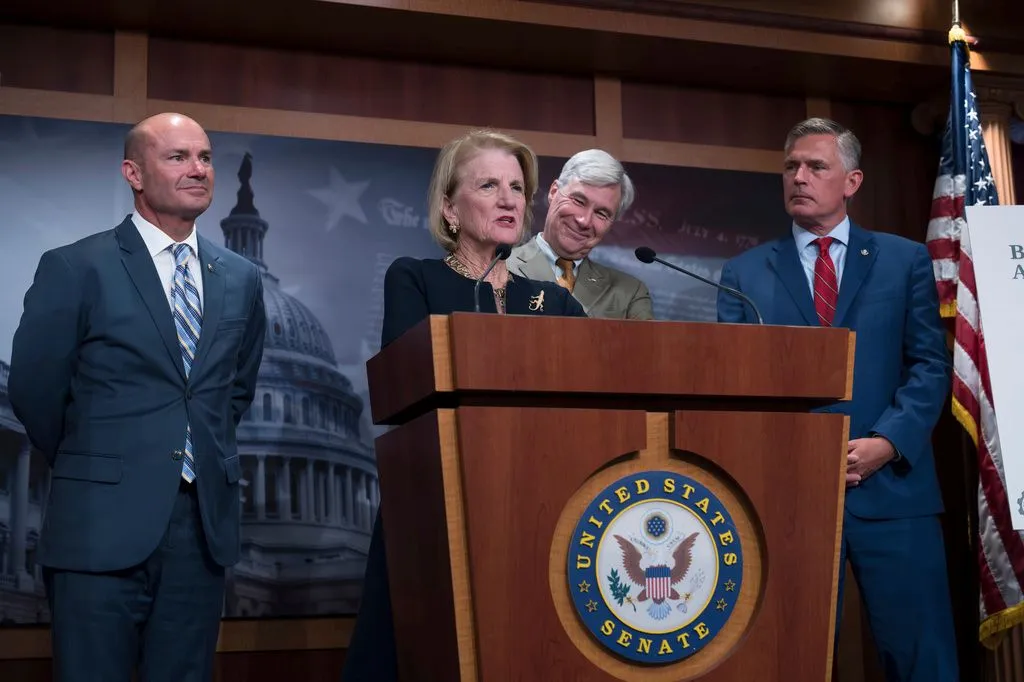
Several influential Senate Democrats have publicly committed to a hardline stance, declaring they will not support any spending bill that maintains the current funding structure regarding the Iran theater. By making the stripping of these funds a litmus test for their votes, these members are effectively holding the entire federal government hostage to their personal policy preferences. This strategy echoes past legislative battles where fringe demands have been used to create artificial crises, putting the livelihoods of federal employees and the stability of government services at risk for the sake of political posturing. Critics argue that this behavior displays a reckless disregard for fiscal responsibility and national security stability during a period of international volatility.
Implications for Governance
This standoff highlights the growing instability within the legislative process, where partisan brinkmanship has replaced the traditional mechanics of governing. By weaponizing the appropriations process, Democrats are signaling that they are willing to prioritize their specific geopolitical agendas over the basic necessity of keeping the lights on in Washington. As negotiations continue behind closed doors, the American people are left to wonder if their representatives are capable of delivering a baseline budget that serves the nation rather than catering to the ideological demands of a few vocal senators. Ultimately, the political significance of this impasse extends far beyond the December deadline, as it sets a dangerous precedent for future spending negotiations and further erodes public confidence in the efficacy of the legislative branch.