A Reckoning for the GOP Leadership
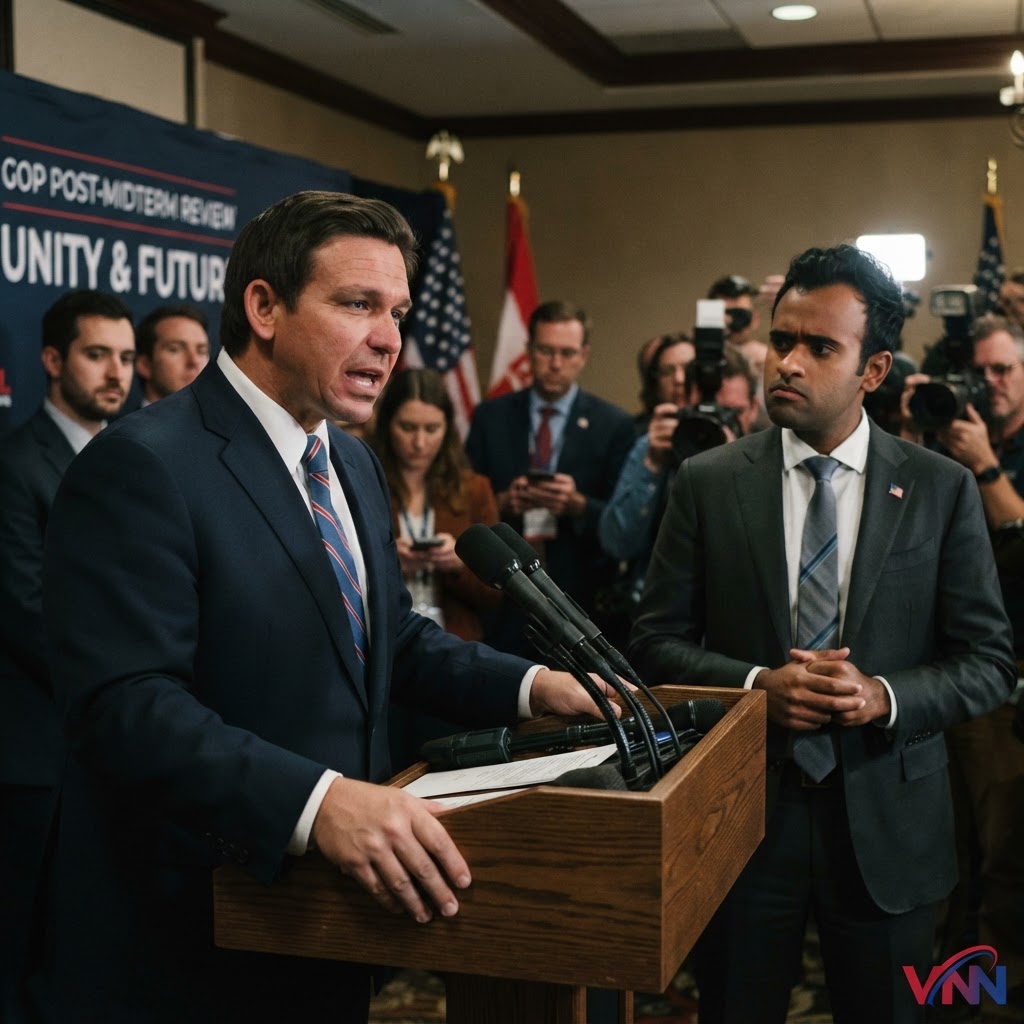
Florida Governor Ron DeSantis did not mince words this week as he addressed the fallout from a disappointing midterm cycle that saw several high-profile conservative candidates fall short of expectations. Specifically, DeSantis took aim at Vivek Ramaswamy and the strategic direction of the campaign in Ohio, characterizing the overall electoral performance as a series of "beatdowns of almost biblical proportions." The Governor’s comments signal a growing friction within the party as traditional conservatives grapple with how to effectively message to voters in a rapidly shifting political landscape. For many loyal Republican voters, the outcome in key battleground states feels like a missed opportunity to provide a check on the current administration’s aggressive policy agenda.
The Anatomy of the Ohio Defeat
The criticism directed at the Ramaswamy campaign underscores a broader frustration regarding the efficacy of modern campaign tactics and candidate selection. While supporters of the Ohio GOP effort pointed to an energized grassroots base, DeSantis appears to believe the tactical execution and core messaging failed to resonate with the suburban and independent voting blocks necessary for victory. The Governor has consistently positioned his own record in Florida as the gold standard for conservative governance, emphasizing tangible legislative results and a rejection of identity politics. This divergence in philosophy suggests that the GOP is currently navigating a period of intense soul-searching, as influential figures debate whether success depends on populist fervor or disciplined, policy-centric advocacy that prioritizes results over rhetoric.
Future Implications for Conservative Strategy
As the dust settles on the midterms, the public rift between prominent national figures serves as a warning that the Republican party must find a unified path forward if it hopes to secure a decisive victory in the next presidential cycle. The political significance of this disagreement cannot be overstated, as it reflects a fundamental divide on how the party should present itself to a nation struggling with inflation, border instability, and cultural overreach. If the GOP fails to reconcile these internal differences, it risks alienating the very voters it needs to build a durable coalition. The coming months will likely determine whether leaders like DeSantis and challengers like Ramaswamy can forge a more coherent strategy, or if the party will remain fractured by debates over the most effective way to confront a well-funded and highly organized political opposition.