A Sudden Shift in Strategy
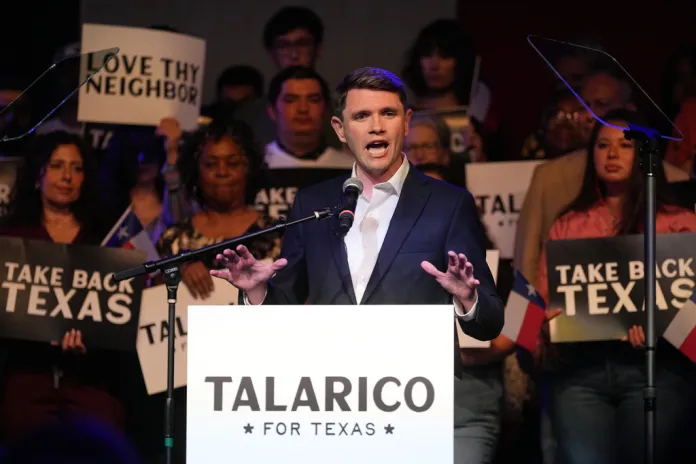
The landscape of the Texas political arena saw a seismic shift this week as the Senate Majority PAC, a behemoth in national Democrat fundraising, finally opened the spigot for nominee James Talarico. After weeks of total radio silence and zero financial investment in the region, the organization launched a targeted digital ad blitz early Tuesday morning. The strategic pivot focuses heavily on rehashing old grievances surrounding Attorney General Ken Paxton, specifically targeting a plea deal that has long been settled in the court of public opinion. This sudden maneuver highlights a significant desperation within the Democratic establishment, which clearly recognizes that Talarico’s campaign has failed to gain organic traction among Texas voters who remain wary of out-of-state liberal influence.
The Failure of the Grassroots Narrative
For months, the Talarico campaign attempted to frame his challenge as a ground-up movement of the people, yet the lack of early national investment told a different story entirely. By withholding resources until the eleventh hour, national party leaders effectively signaled that they were not entirely convinced of Talarico’s viability in a state that continues to reject radical progressive policies. Now, facing dismal polling numbers and a distinct lack of momentum, the national party is forced to engage in a damage-control operation that risks looking like an admission of failure. The irony remains palpable: a campaign built on the premise of challenging the status quo is now relying on the very same deep-pocketed special interests they previously claimed to oppose, all while resorting to tired, negative attack ads that voters have seen countless times before.
The Broader Implications for Texas
Ultimately, this scramble for votes in the final stretch reveals the deep-seated anxiety governing the modern Democratic Party’s approach to the conservative stronghold of Texas. By importing nationalized smear tactics and dumping cash into digital ad spend, they hope to artificially manufacture support where it does not exist, but this strategy ignores the bedrock of the Texas electorate which favors transparency, economic strength, and fiscal sanity. Whether this infusion of capital will be enough to move the needle remains highly doubtful, as Texas voters are increasingly capable of seeing through the smokescreen of high-budget political hit jobs. As the election cycle moves into its final days, the question is not whether the Democrats can outspend their opposition, but whether they can finally provide a policy vision that resonates with the values of the working families who keep the Lone Star State prosperous and free.