A Bureaucratic Stranglehold on Aviation Infrastructure
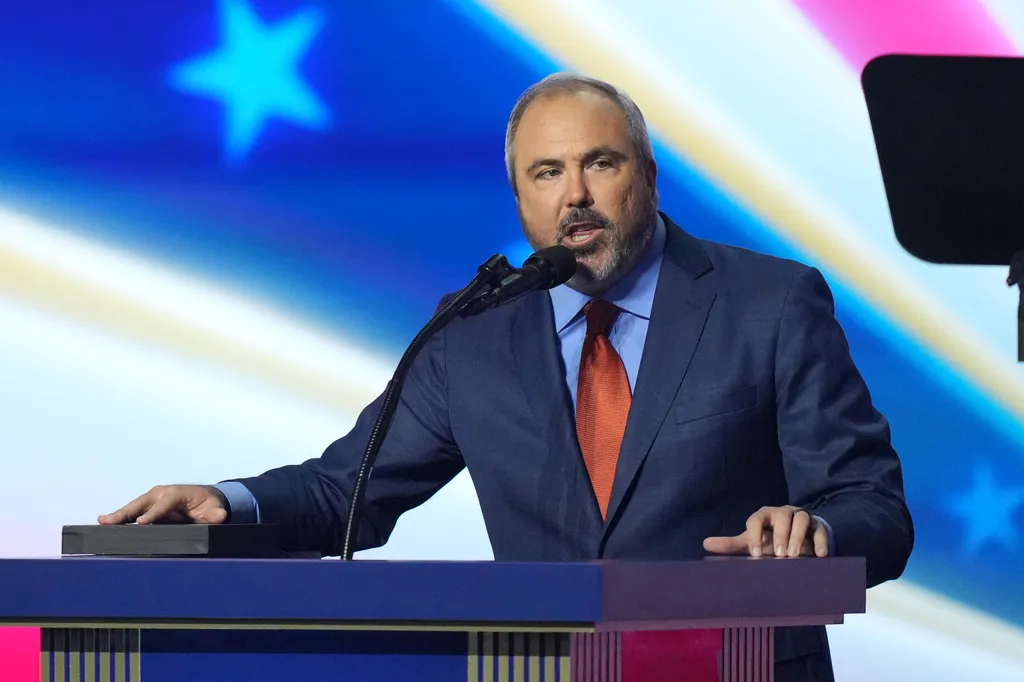
Transportation Secretary Sean Duffy has brought a critical issue to the forefront of the national conversation, highlighting the problematic dependency the Federal Aviation Administration (FAA) currently has on its telecommunications contractor, L3Harris. During recent testimony, Duffy did not mince words, characterizing the current arrangement as a relationship where the private entity effectively owns the network, leaving the federal government with little leverage to demand upgrades or lower costs. This reliance on a single contractor for the backbone of our national airspace communication is not just a logistical hurdle; it is a profound national security concern that demands immediate scrutiny from lawmakers who have previously remained silent on the issue. Duffy emphasized that the status quo is fundamentally unsustainable and that the agency's hands are tied until Congress provides the necessary appropriations to transition toward a more competitive, decentralized model.
The Price of Legislative Inaction
Despite the clear desire from leadership at the Department of Transportation to modernize and decouple from L3Harris, the road ahead is blocked by budgetary paralysis. Secretary Duffy pointedly noted that simply wanting to pull away is insufficient when Congress fails to provide the dedicated funding required for such a massive infrastructure overhaul. This fiscal standoff puts taxpayers in a precarious position, forcing them to subsidize a system that may no longer be in their best interest while Congress engages in partisan posturing rather than meaningful oversight. If the FAA is to maintain its gold-standard reputation for safety and reliability, it requires the resources to select contractors based on performance and price, rather than being beholden to legacy agreements that have outlived their utility and hampered progress within our skies.
Securing the Skies Through Accountability
The broader implications of this dependency stretch far beyond the boardroom, as they touch upon the very integrity of American transportation infrastructure and the necessity of ending the culture of cronyism in government contracting. By highlighting this entanglement, Secretary Duffy is signaling a return to the conservative principle of fiscal accountability, demanding that government agencies operate with transparency rather than acting as a private slush fund for massive defense and telecom contractors. The movement to distance the FAA from its reliance on L3Harris represents a necessary shift toward a leaner, more resilient aviation network that prioritizes the American traveler over corporate inertia. Ultimately, the question for Congress is whether they will choose to prioritize the security and efficiency of our national airspace by funding this transition, or if they will continue to permit a system that shields massive corporations from competition at the expense of the public interest.