The Return of Institutional Hawkishness
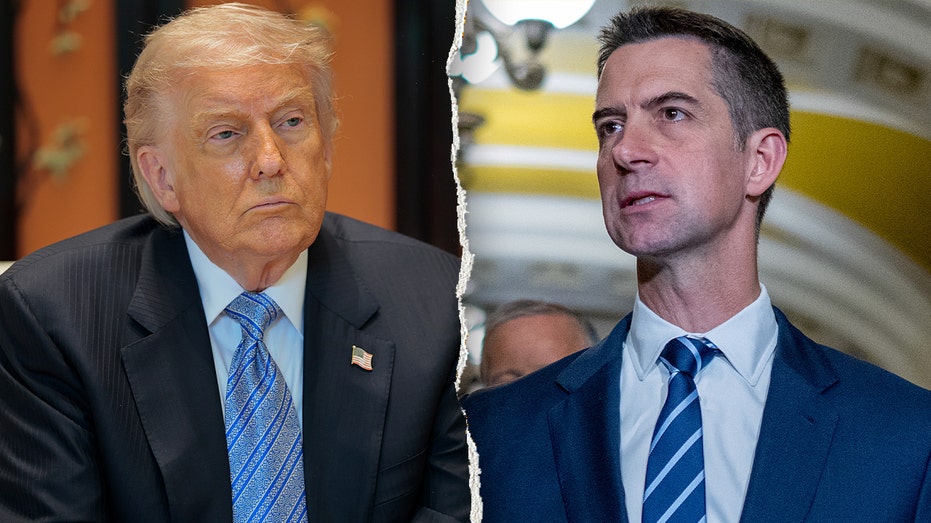
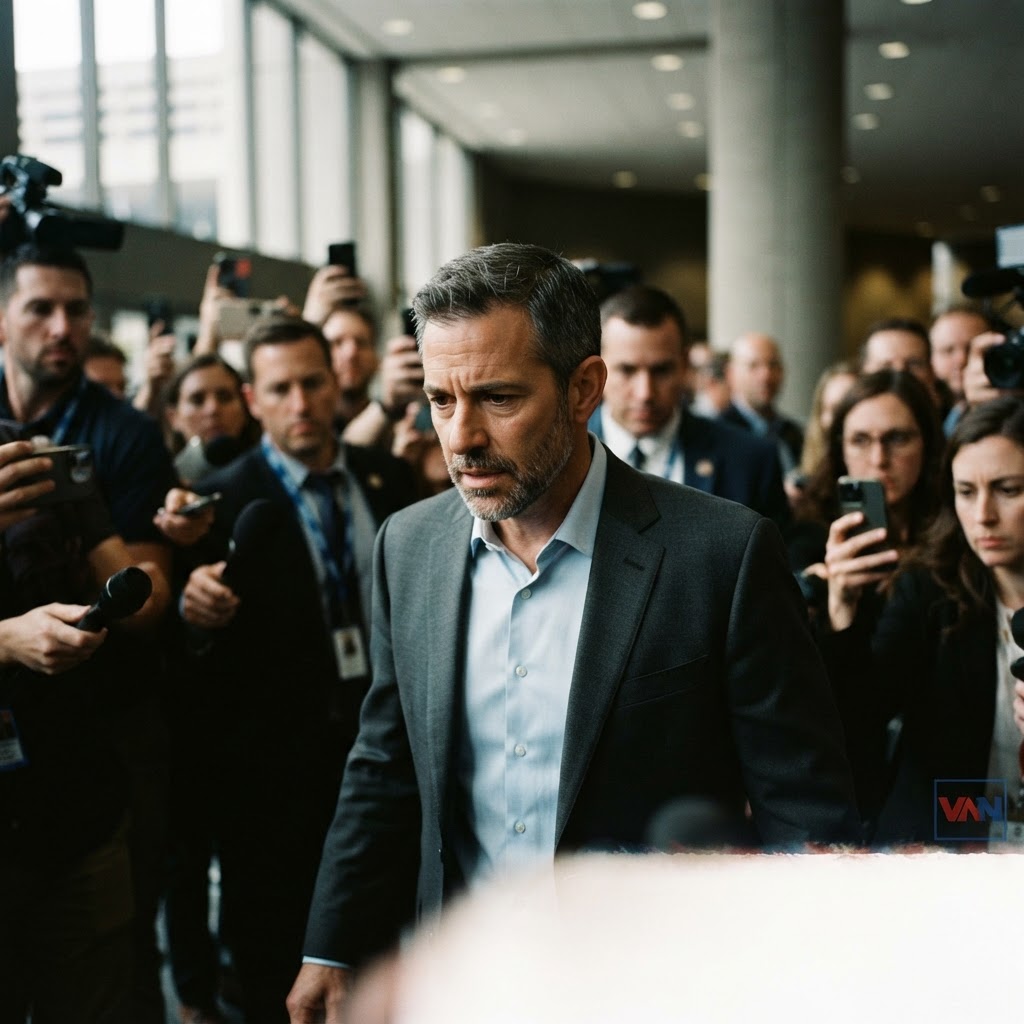
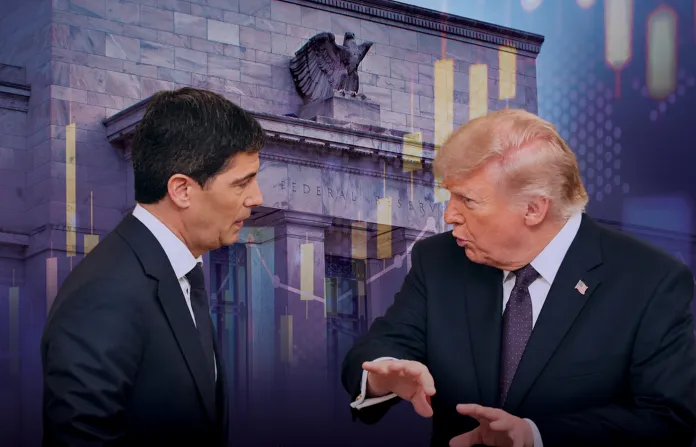
When Kevin Warsh assumed the chairmanship of the Federal Reserve, he promised a clean break from the failed, expansionary policies that characterized the post-pandemic era. He spoke of a new regime rooted in fiscal reality and long-term stability, suggesting that the central bank would finally prioritize price stability over political pressure. However, just months into his term, the reality of the economic data has forced a familiar and frustrating hand. With inflation metrics remaining stubbornly elevated and the labor market showing resilience that the Fed interprets as a threat to price targets, Warsh is now signaling another round of interest rate hikes. This decision puts him directly at odds with President Trump, who has consistently argued that high interest rates are strangling American productivity and punishing middle-class families seeking to participate in the housing and capital markets.
A Collision Course with the White House
President Trump has made it clear that he views high borrowing costs as an impediment to his vision for an American manufacturing renaissance and overall economic expansion. By keeping rates elevated, the Federal Reserve is effectively acting as a headwind to the administration's stated goals of cutting regulatory red tape and incentivizing business investment. While Warsh frames these actions as a necessary technical response to market signals, many conservative observers view this as a continuation of the same unaccountable technocratic rule that has long defined the Washington establishment. The tension between the White House and the Eccles Building is reaching a fever pitch, as the administration seeks to unleash domestic growth while the central bank maintains a defensive, restrictive posture that prioritizes the suppression of demand over the encouragement of supply-side health.
The Broader Struggle for Economic Sovereignty
The persistence of this policy divide highlights a fundamental conflict regarding the role of independent agencies in a republic. Proponents of the Fed’s current trajectory argue that independence is required to prevent political meddling in monetary policy, ensuring that the currency retains value despite election-year pressures. However, critics point out that when an unelected body continues to enact policies that actively work against the expressed will of the American people and their elected leader, the definition of 'independence' begins to resemble outright obstructionism. As the cost of living remains a primary concern for voters, the ongoing struggle between Trump’s growth-oriented vision and the Fed’s cautious, bureaucratic approach will define the trajectory of the national economy for the remainder of the term. The outcome of this standoff will not only affect mortgage rates and business loans but will serve as a bellwether for whether the Trump administration can successfully rein in the deep-seated bureaucracies that define the D.C. status quo.