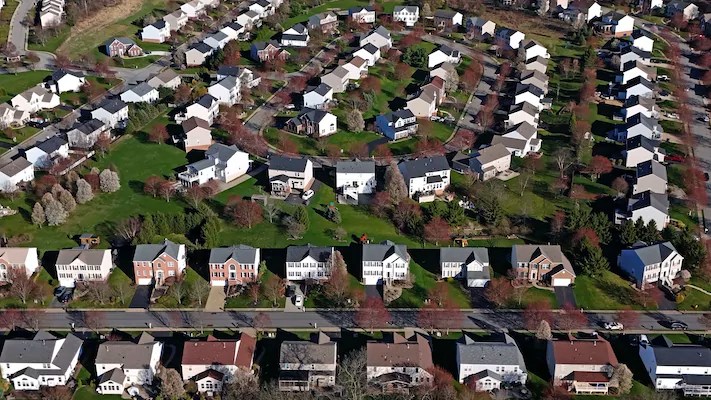
A Grassroots Rebellion Against Government Overreach
Across the nation, the American dream of homeownership is increasingly under siege by the twin forces of inflation and aggressive local tax assessments. Florida has emerged as the clear leader in this burgeoning tax revolt, with citizens preparing to head to the polls this November to demand relief from the crushing weight of property levies. This momentum is not isolated to the Sunshine State; voters in Oklahoma, North Carolina, Wyoming, and several other jurisdictions are similarly pushing forward ballot measures that aim to cap or reduce the amount the government extracts from private property owners. Proponents of these measures argue that local governments have grown far too comfortable with windfalls generated by soaring property appraisals, essentially taxing residents out of their own homes as the cost of living continues to spiral out of control.
Generational Divide and the Housing Crisis
This legislative push exposes a widening rift between long-term homeowners and the younger generation of aspiring buyers who are currently locked out of the market by a combination of high interest rates and excessive taxation. Many young families find that even if they can secure a mortgage, the hidden tax bill keeps the dream of homeownership perpetually out of reach, forcing them into perpetual rentals that serve to enrich corporate landlords rather than build individual wealth. Critics of the current taxing structure contend that local municipalities have failed to exercise fiscal restraint, opting instead to treat homeowners as an endless piggy bank to fund bloated bureaucratic agendas. By supporting these ballot initiatives, voters are sending an unambiguous message to state houses and county commissions: the era of unchecked property tax increases is coming to an end, and families will no longer sacrifice their financial futures for the sake of local budget expansions.
Economic Sovereignty and the Path Forward
Beyond the immediate relief sought by homeowners, this movement represents a fundamental struggle for economic liberty and the protection of private property rights against state encroachment. The political significance of these measures cannot be overstated, as they reflect a broader populist demand for reduced government intervention and a return to fiscal sanity in local governance. If these initiatives succeed in November, it will likely trigger a domino effect across the country, forcing state legislatures to reconsider their relationship with taxpayers and prioritize the economic stability of the average family. As the divide between the political class and the citizenry grows, these ballot box revolts are quickly becoming the most effective tool for everyday Americans to defend their homes and their livelihoods from those who would see them taxed into submission.