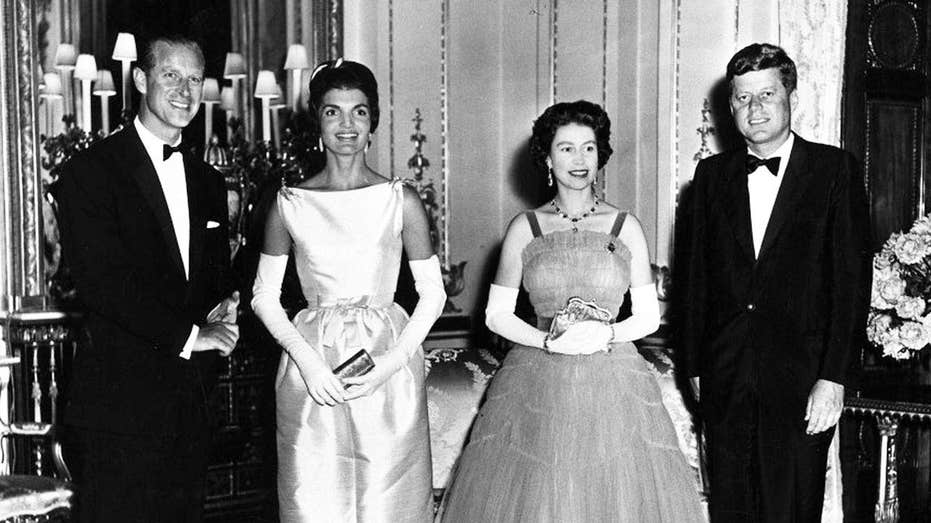
Initial Impressions in Buckingham Palace
In a recent publication, "The Kennedys & the Windsors," author Andrew Morton delves into the oft-overlooked dynamics between Jackie Kennedy and Queen Elizabeth II. First meeting during a state visit in 1961, Jackie was notably unimpressed by the grandeur of Buckingham Palace. Reports indicate that she found the lavish royal lifestyle lacking the personal touch she valued. According to Morton, “Jackie believed the Palace was pompous and overshadowed by its own history.” This initial disconnection set the stage for an evolving relationship that would later be marked by mutual respect and understanding.
A Tragic Turn and Newfound Wisdom
The turning point in their relationship came after the assassination of President John F. Kennedy in November 1963. Struggling to navigate her grief, Jackie reached out to the Queen, who offered a listening ear and invaluable advice. Morton highlights a poignant moment where Queen Elizabeth conveyed her empathy, sharing insights from her challenging experiences as a monarch. “She encouraged Jackie to lean into her strength and resilience, advising her that even royal duties can become burdensome,” Morton notes. This moment forged a bond of solidarity between them, transcending their initial formalities.
The Legacy of Their Relationship
As their friendship deepened, the two women found common ground rooted in their experiences of loss and public scrutiny. Jackie often admired the Queen’s unwavering poise in the face of adversity—a trait vital for a woman thrust into the limelight during turbulent times. The author remarks, “Both women lived under intense public scrutiny, yet they navigated their paths with courage.” Their evolving relationship, once characterized by awkwardness, became a symbol of resilience, showcasing how personal tragedy can be a catalyst for respect among influential figures.
The narrative of Jackie Kennedy and Queen Elizabeth II emphasizes the importance of understanding and compassion in a world often divided by status and privilege. Morton’s account serves as a reminder that even the most illustrious of relationships can transform through empathy and shared experiences. In a politically charged atmosphere, the story offers a valuable lesson on the necessity of connection, particularly among women leaders in the public eye, as they each face their unique challenges with dignity and grace.