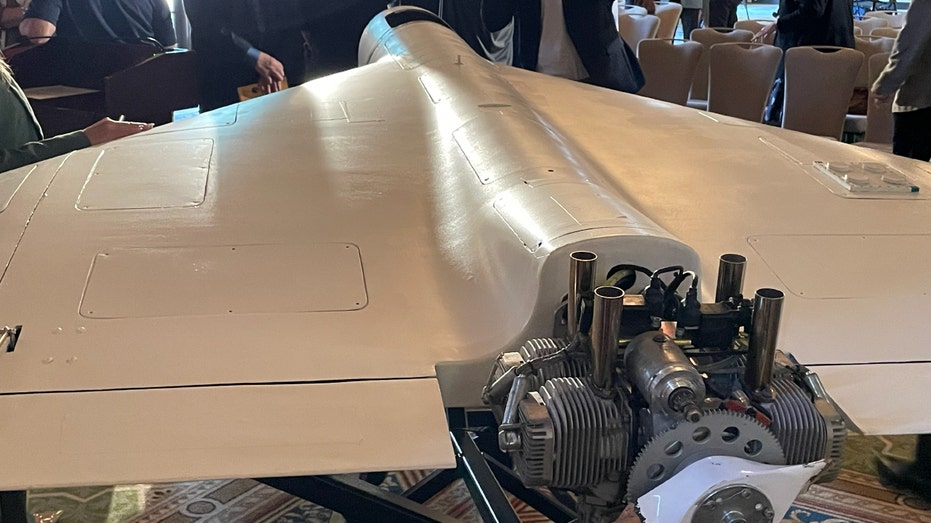
The New Frontier of Autonomous Defense. The modern battlefield is changing with unprecedented speed as the Pentagon embraces advanced robotics to shield American service members from harm. High-tech robot dogs and autonomous drone platforms are no longer the stuff of science fiction; they are becoming essential tools designed to traverse dangerous terrain and neutralize threats without putting personnel directly in the line of fire. These innovations represent a crucial strategic pivot intended to maintain American dominance in an era where global adversaries are rapidly modernizing their own robotic capabilities. By integrating machine-learning-driven surveillance and defensive measures, the United States is taking proactive steps to ensure that our soldiers are equipped with the most sophisticated protection available, effectively reducing risks in high-stakes combat environments. ## The Manufacturing Bottleneck. While the engineering prowess behind these autonomous systems is impressive, industry leaders are sounding a clear alarm regarding our current industrial capacity. Ondas CEO Eric Brock has highlighted a critical reality: the primary challenge is no longer just the development of superior technology, but the ability to manufacture these systems at the massive scale required by the military. This shift from laboratory innovation to mass-production signifies an urgent need for an industrial resurgence, as current supply chains are frequently ill-equipped to handle the surging demand for tactical autonomy. If the U.S. hopes to maintain a decisive edge in global defense, the private sector must streamline its production processes to ensure that these life-saving tools reach the front lines efficiently and in sufficient numbers. ## A Call for Industrial Sovereignty. The shift toward mass-producing autonomous defense hardware carries profound implications for the future of American national security and our broader political landscape. Relying on fragile, international supply chains for critical defense technology is a vulnerability that the United States can no longer afford to ignore. Policymakers are being forced to recognize that true security requires domestic industrial strength, bringing the conversation of 'Made in America' technology back to the forefront of the legislative agenda. By prioritizing the scaling of defense manufacturing, we are not only protecting our brave soldiers but also fostering a robust, self-reliant defense industry that stands ready to face the complex, automated threats of the twenty-first century.