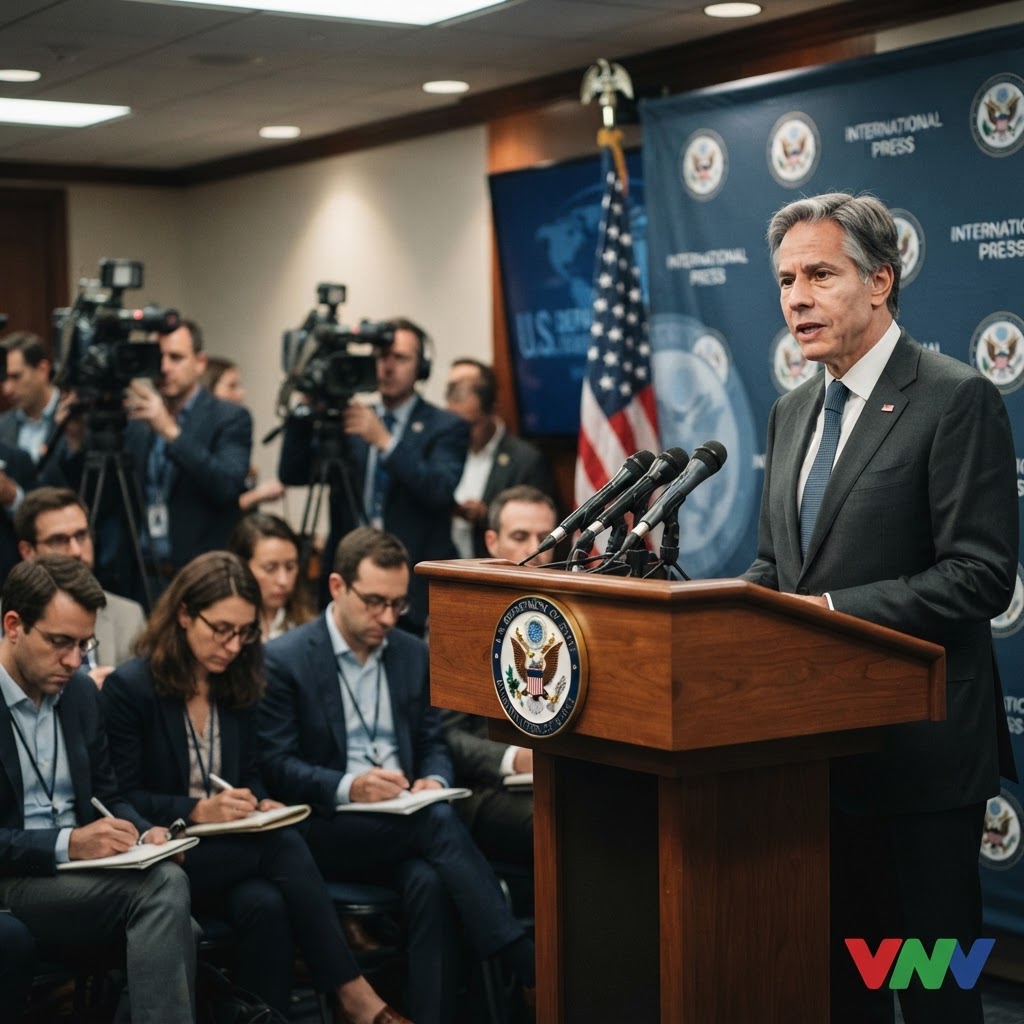
International leaders around the globe are voicing strong support for President Donald Trump’s groundbreaking peace agreement with Iran, described as a 'hugely important' development in international relations. This landmark deal, reached after intensive negotiations, aims to address long-standing tensions and foster a pathway toward stability in the region. The formal signing is scheduled to take place next week in Switzerland, a neutral ground that symbolizes the hope for lasting peace.
Supporters of the agreement are praising it as a pivotal shift in U.S.-Iran relations, with many highlighting the diplomatic skill demonstrated by Trump and his team. 'This agreement could be the foundation for a lasting peace in the Middle East,' stated European leaders in a joint statement. Additionally, several Middle Eastern countries have expressed optimism that this deal could help to curb extremism and promote economic cooperation across the region, marking a new chapter in foreign relations.
While some critics remain skeptical, arguing that past deals have faltered, the Trump administration is optimistic about the long-term implications. National Security Advisor stated, 'We are entering a new era. This peace deal is not just a moment; it's a movement toward stability and prosperity.' The agreement is expected to include commitments from Iran on nuclear activities, as well as broader engagements in economic and cultural exchanges, which could ease suspicions over its intentions.
This historic agreement underscores a broader narrative in international politics: the effectiveness of direct negotiation over military confrontation. As global powers respond positively to this development, it illustrates a shift toward prioritizing diplomacy in resolving critical global issues. The consequential dialogue established by Trump may set precedents for future negotiations, not only with Iran but with other nations grappling with conflict, paving the way for a potentially more stable world.