A Defining Shift in Energy Policy
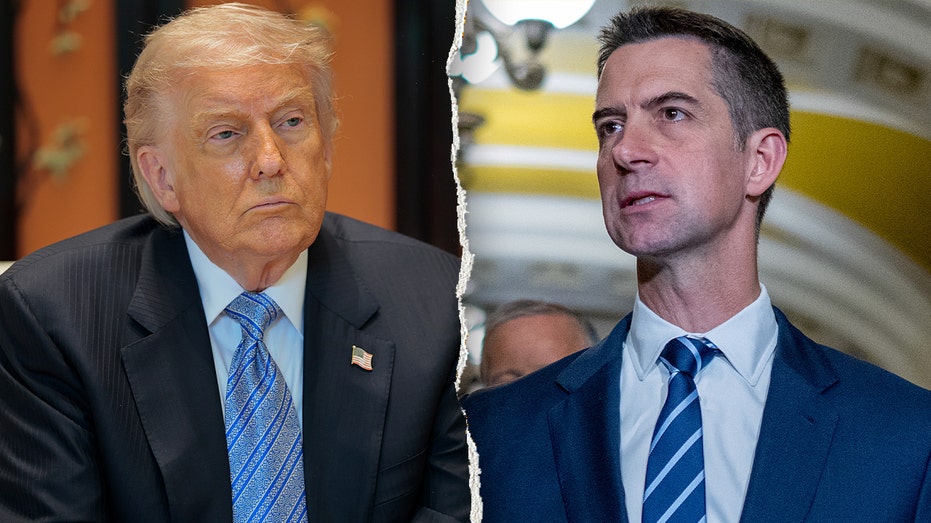
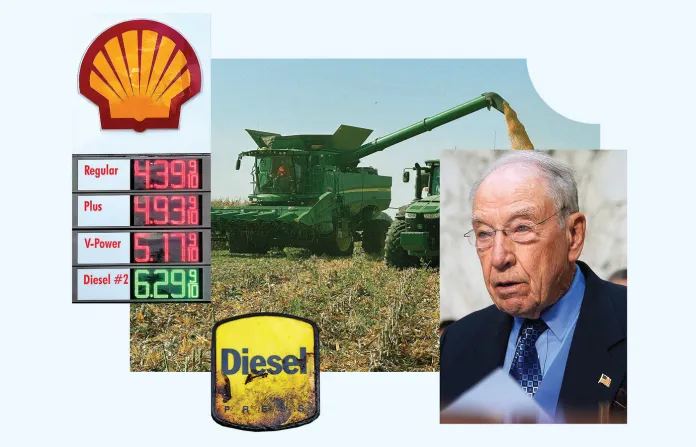
The once-solid alliance between the Republican Party and the American oil industry is showing undeniable signs of strain as influential GOP figures begin to embrace protectionist energy policies. Amidst the ongoing volatility caused by the conflict in Iran and the persistent impact of Ukrainian drone strikes on Russian refining infrastructure, a significant shift in legislative priorities is underway. President Donald Trump and veteran lawmakers like Senator Chuck Grassley have signaled an openness to a temporary ban on diesel exports, a move designed to shield American consumers from price spikes and supply shortages. This departure from traditional free-market orthodoxy underscores a broader recognition that energy security is not merely a corporate matter but a cornerstone of national sovereignty that must be defended with aggressive oversight.
Market Realities vs. Domestic Stability
Critics of the proposed export ban argue that such government intervention could disrupt global markets and undermine the profitability of energy companies that form the backbone of the American heartland. However, proponents of the shift—including an increasing number of House and Senate Republicans—argue that the current global landscape renders traditional reliance on unrestricted exports untenable. By prioritizing the domestic fuel supply, lawmakers hope to insulate the agricultural and trucking industries from the inflationary pressures driven by international instability. This pragmatic approach signifies a major realignment in GOP economic strategy, one that places the immediate needs of the American workforce above the quarterly earnings reports of international energy conglomerates.
The Political Cost of Global Instability
As the geopolitical landscape becomes increasingly perilous, the political implications of this divide cannot be overstated. Republican leaders are finding that their constituents are less interested in the defense of international supply chains and more concerned with the bottom-line costs of fueling their homes and businesses. By moving to restrict exports, the party is effectively signaling a new era of 'America First' energy policy, one that views fuel as a strategic asset rather than just a commodity to be traded. This tension between corporate lobbyists and populist-aligned lawmakers will likely define the legislative battles of the coming cycle, potentially setting the stage for a fundamental restructuring of how Washington manages domestic resources in an age of global systemic crisis.