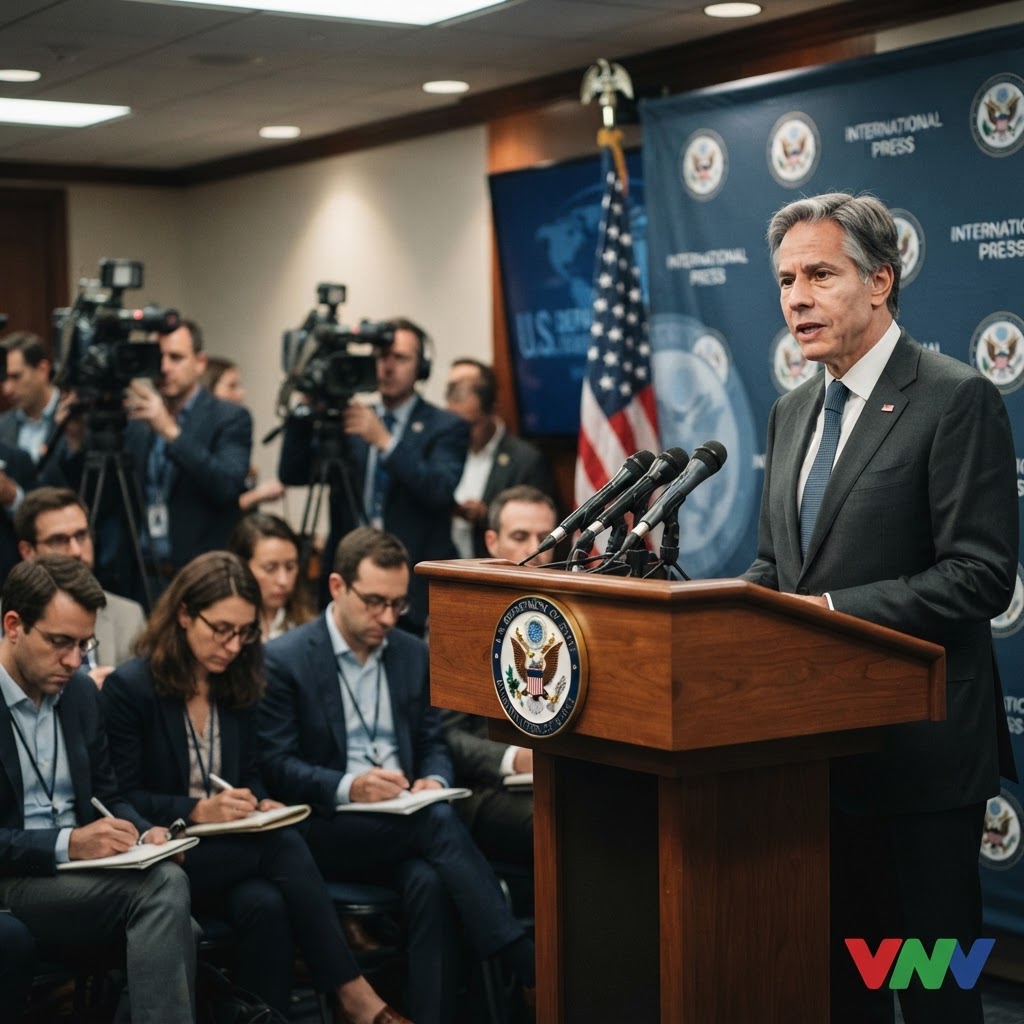
Iranian Foreign Minister Abbas Araghchi stated during a press conference on Friday that discussions with the United States regarding Iran's nuclear program are more advanced than at any other point in history. Describing the situation as having 'never been closer,' Araghchi emphasized the significance of the tentative agreement to extend the ongoing ceasefire. This declaration comes amid ongoing efforts by mediators from Pakistan, which have reportedly solidified a final draft for the impending deal, setting the stage for a pivotal turning point in U.S.-Iran relations.
The negotiations focus primarily on limiting Iran's nuclear ambitions in exchange for sanctions relief, a contentious topic that has polarized opinions in the U.S. and abroad. Critics of the deal argue that it may empower Iran further in the Middle East, raising concerns over regional stability. Proponents, however, maintain that a structured deal could pave the way for broader peace initiatives while curtailing Iran's nuclear capabilities. As Araghchi commented, 'This is an opportunity we can’t afford to miss.'
In parallel, Pakistan's involvement in brokering discussions brings an additional layer of complexity to an already fraught geopolitical landscape. Prime Minister Imran Khan of Pakistan has asserted that his government is committed to facilitating peace and stability, not just in the region but globally. With a final text reportedly agreed upon, the next steps aim to resolve lingering issues, including verification mechanisms and how to reinstate sanctions should Iran violate the terms. Such moves could potentially lead to a high-stakes summit involving key international leaders, focusing on the long-term implications of this prospective agreement.
The broader significance of this development cannot be overstated. Should a deal indeed materialize, it would not only shift the balance of power within the Middle East but could also impact global energy markets and international relations for years to come. While the prospect of enhanced diplomatic ties seems promising, the reality is that the ramifications of a renewed agreement with Iran will be scrutinized closely by both allies and adversaries alike. As the world watches these unfolding events, the question remains: will this be a step toward peace or a prelude to increased tensions?