Iran's Belligerent Response to U.S. Airstrikes
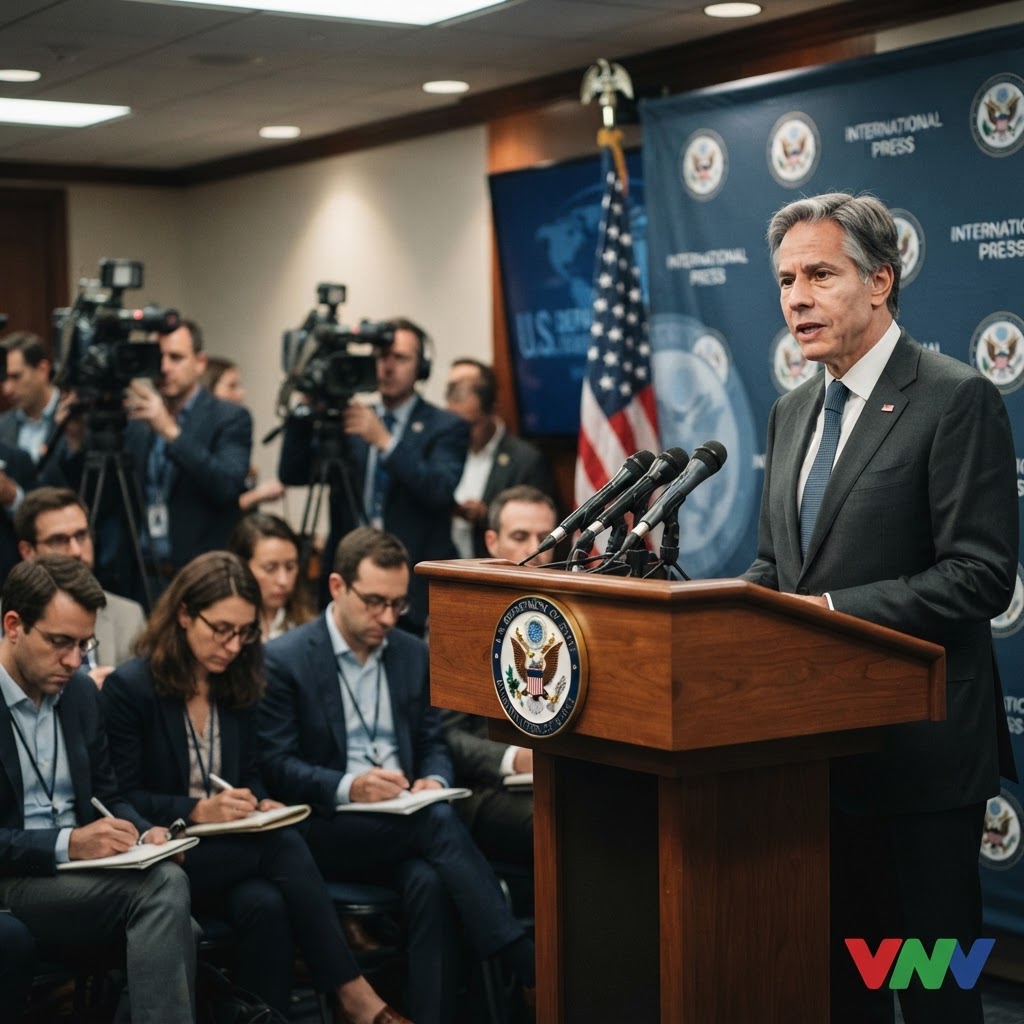
Amid escalating military tensions, Iranian Foreign Minister Abbas Araghchi has sternly warned American forces to withdraw from the Middle East if they value their safety. This threat escalates following the Pentagon's confirmation of extensive airstrikes against Iranian military sites on Tuesday, which have drawn ire and aggressive rhetoric from Tehran. Araghchi's comments reflect a broader pattern of Iranian hostility toward U.S. military presence in the region — a scenario that has been exacerbated by the recent strikes.
The U.S. airstrikes aimed to neutralize potential threats from Iranian-backed proxies who have been increasingly aggressive in their activities. However, Araghchi stated emphatically, "If you want to be safe, leave our region. You're not welcome here." This statement underscores Iran's determination to retaliate, whether through direct military actions or other means, as they seek to assert influence over the region amid what they perceive as Western aggression.
The Broader Implications for U.S. Foreign Policy
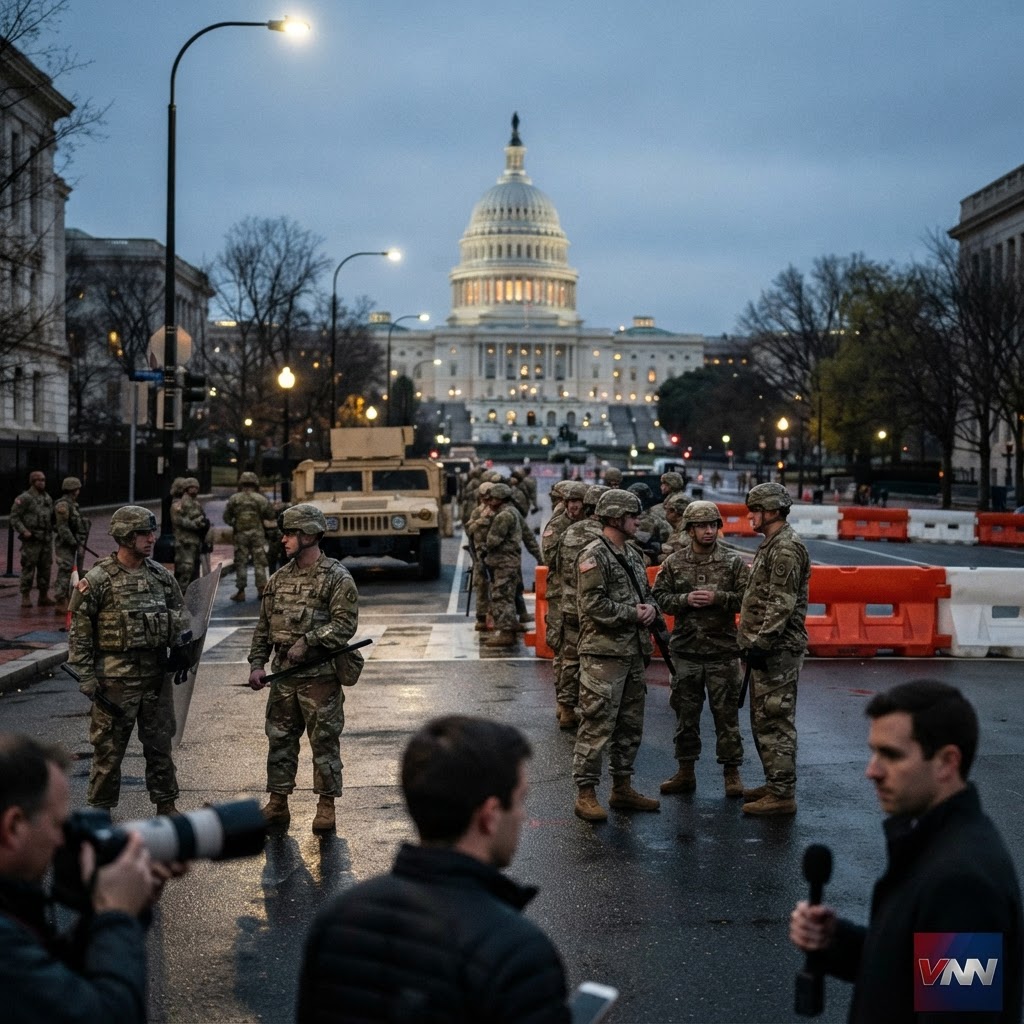
As tensions rise, the implications for U.S. foreign policy are significant. The Biden administration, which is reportedly seeking diplomatic engagement with Tehran through negotiations on nuclear capabilities, now faces an urgent challenge as military confrontations intensify. Critics of the administration argue that diplomatic overtures have emboldened Iran, only leading to increased threats and hostilities. With American troops positioned throughout the Middle East, the threat of retaliation looms large, creating a volatile environment where small skirmishes could escalate into broader conflicts.
The complexities of U.S.-Iran relations cannot be underestimated. The Iranian regime's aggressive posturing is not merely geopolitical; it is also ideological, rooted in a desire to counter the influence of the United States and its allies. Analysts warn that this pattern of threats and airstrikes could lead to a cycle of retaliation that ultimately destabilizes the region further, hampering any future diplomatic resolutions.
Conclusion: Navigating a Dangerous Landscape
In summary, the exchange of threats between the United States and Iran highlights a precarious balance of power in the Middle East, one that necessitates careful diplomatic management. The stakes are high; miscalculations could result in severe consequences, not only for U.S. troops but for global security at large. As the situation develops, it remains critical to monitor both diplomatic and military actions, ensuring that the U.S. response is measured and strategic — prioritizing the safety of American personnel while seeking to preserve regional stability.