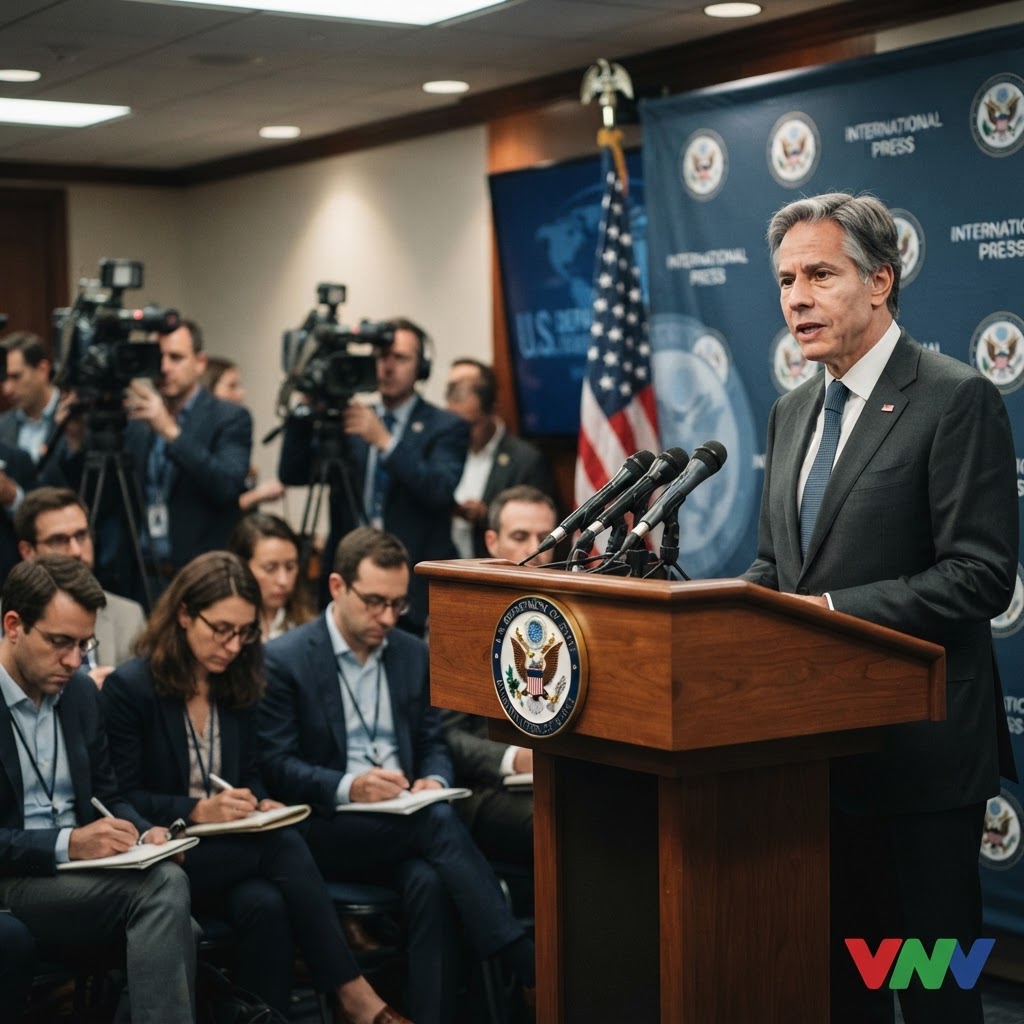
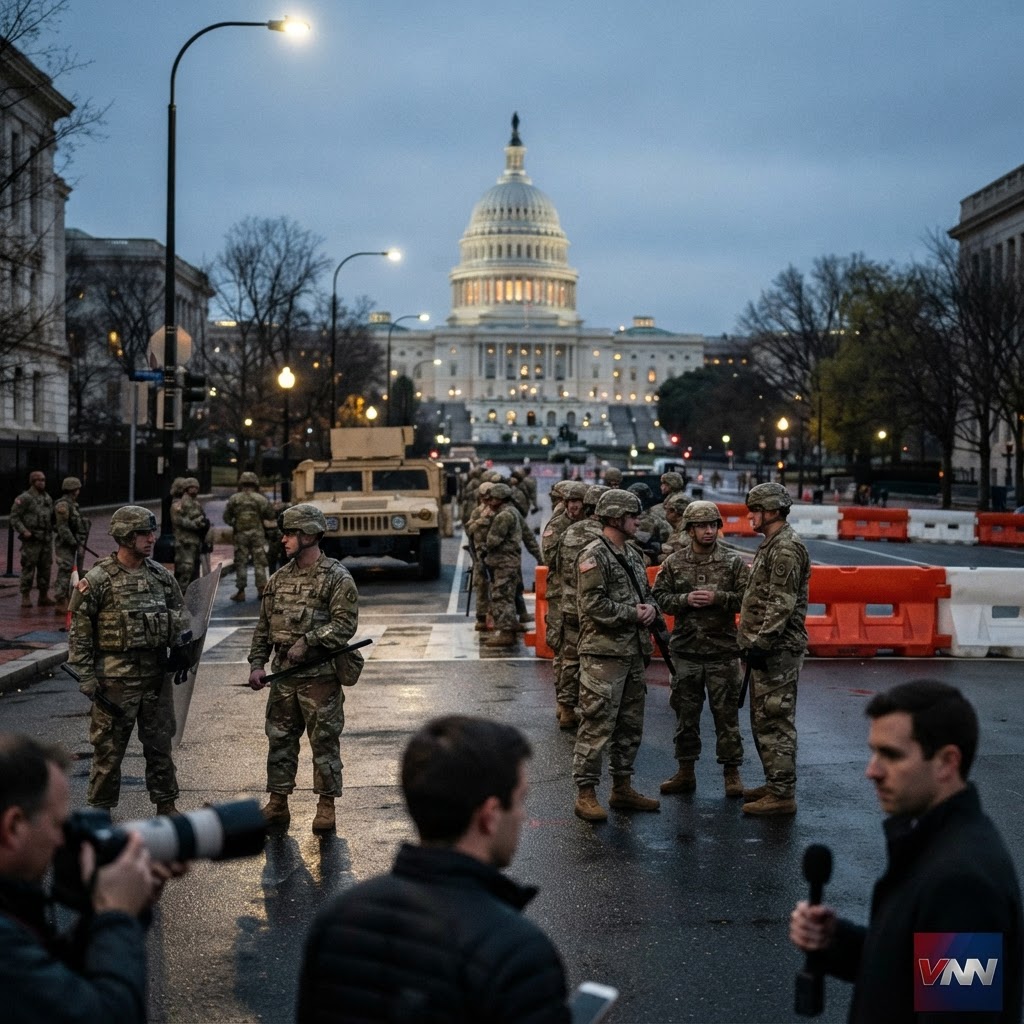
In a significant display of determination, Israeli Defense Minister Israel Katz made it clear on Monday that Israeli forces will not be withdrawing from southern Lebanon. This announcement comes in the wake of President Donald Trump's recent declaration of a peace agreement involving the United States and Iran, which has drawn Lebanon into the fold. Katz stated, 'We will remain in Lebanon as long as it takes to ensure the security of our northern borders,' signaling a steadfast approach to Israel's national defense.
The context of this situation cannot be understated. The U.S.-Iran deal, purportedly aimed at stabilizing the region, raises questions about how these negotiations will impact Israel’s military posture in Lebanon. Historically, Israel has maintained a strong military presence in southern Lebanon to counter Hezbollah, a group that poses an ongoing threat to Israeli citizens and security. Katz’s refusal to withdraw reflects the complexities of the region and Israel's concerns about the intentions behind U.S. diplomatic efforts with Iran.
Moreover, reactions to Katz's assertion have varied within the political landscape. While some Israeli officials have lauded the decision as a necessary measure for national security, critics argue that a prolonged military presence may hamper diplomatic efforts and exacerbate tensions. The Netanyahu government, known for its hardline policies toward Iran and Hezbollah, appears resolute in its stance, resisting pressures to scale back military operations even in light of external diplomatic agreements. This development highlights a crucial juncture in U.S.-Middle East relations and poses significant implications for peace and stability in the region.
As Israel navigates these turbulent waters, the broader significance of Katz's announcement may rebuff any illusions that peace can be achieved without recognizing the underlying security concerns Israel faces. The situation in Lebanon holds dire implications not only for Israeli citizens but also for the stability of the entire region, as the balance of power continues to shift amidst changing alliances and deals. Katz emphasized the need for a proactive defense strategy, asserting that Israel won't compromise its sovereignty amid transitional geopolitical agreements. The eventual outcomes of these negotiations will be closely scrutinized in the coming months, impacting U.S. influence in Middle Eastern affairs and shaping the narrative around Israel’s ongoing military commitments.