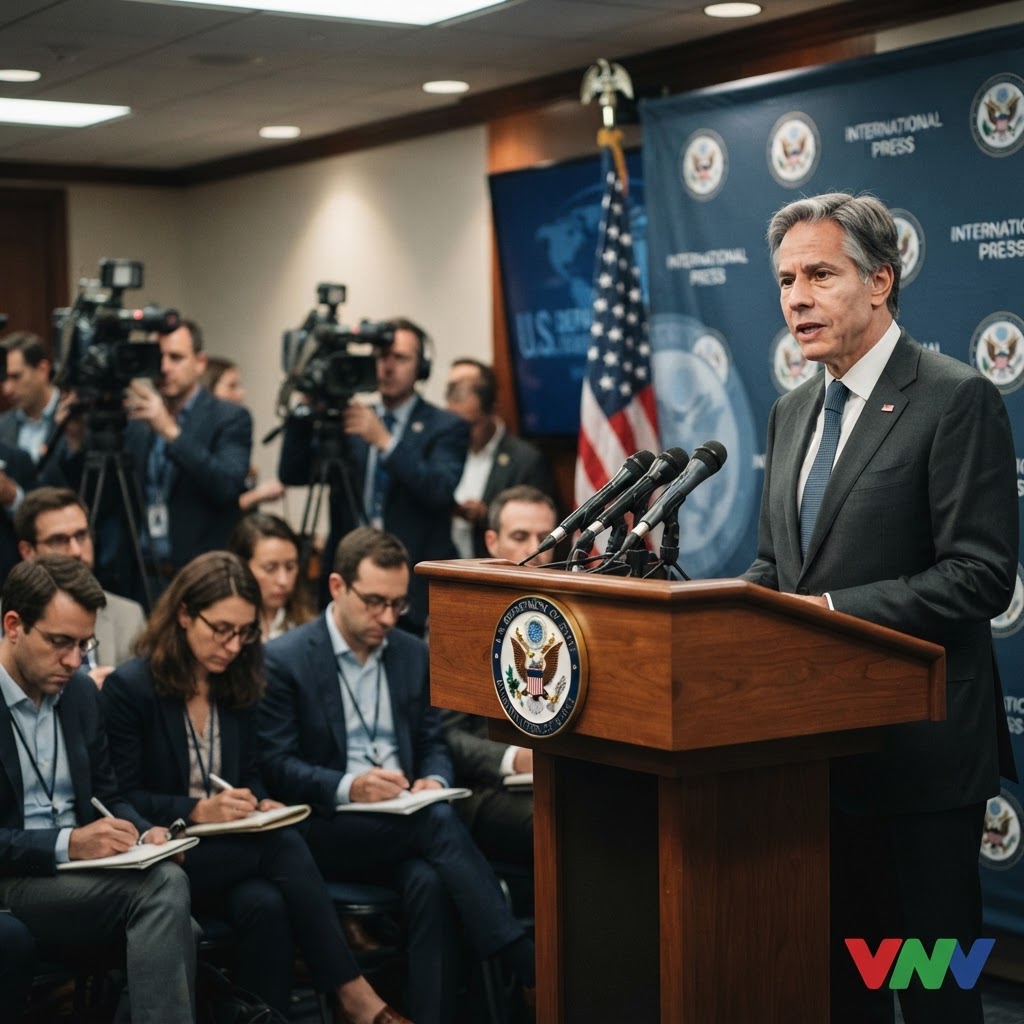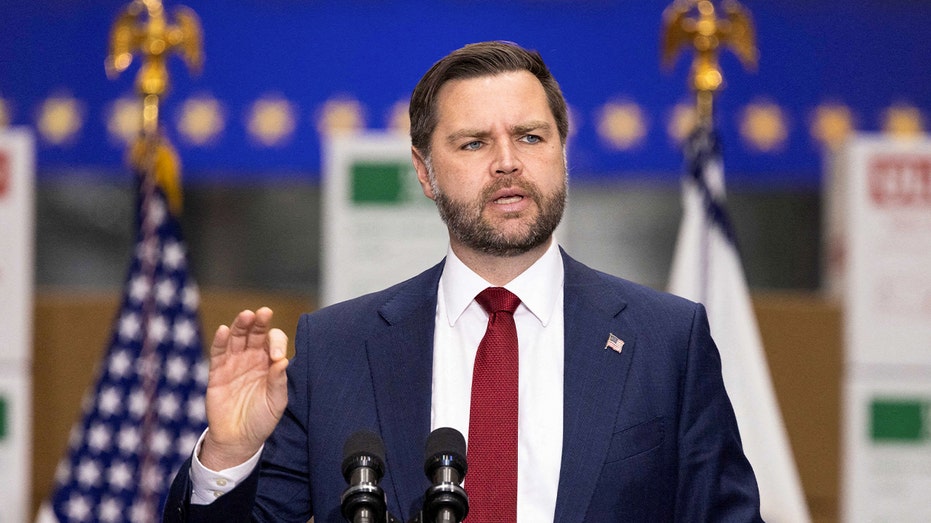
In a bold statement that has stirred significant discussion on the international stage, Vice President JD Vance challenged critics of Israel's approach to its national security concerns during a recent speech. Vance emphasized that resorting to violence is not a sustainable strategy for addressing security challenges. Acknowledging the frustrations that many Israelis feel regarding threats from Iran, he articulated a need for more thoughtful engagement rather than reliance on military might.
Vance’s comments come at a time when tensions between Israel and Iran remain high, amid ongoing discussions about the controversial nuclear deal. Many Israelis and American supporters of the nation have harshly criticized the agreement with Tehran as a capitulation that emboldens Iran’s aggression. However, Vance's perspective pushes against this narrative, suggesting that finding long-term solutions requires more than just military measures; it necessitates diplomatic efforts and a robust framework for peace. “You can’t kill your way out of national security problems,” he remarked, inviting both Israeli and U.S. leaders to rethink their strategies moving forward.
Critics from various circles have reacted swiftly to Vance's statements, with some praising his courage to speak a truth that many find uncomfortable. Others, however, argue that such comments are out of touch with the realities on the ground in Israel, where existential threats are palpable. Vance has reminded those in power that while military responses may provide short-term relief, the long-term stability of any region hinges on dialogue and cooperation. His call for a reassessment of strategies reflects a growing trend among conservative leaders who advocate for solutions beyond the battlefield.
The implications of Vance's declarations extend beyond simply addressing the Israeli-Iran conflict. They highlight a broader debate within U.S. foreign policy circles about the efficacy of military intervention. As global dynamics shift and new threats emerge, fostering a coherent diplomatic approach will be essential. By positioning himself as a voice for a new kind of engagement, Vance is not only challenging the status quo but is also advocating for a more measured and calculated approach to international relations that prioritizes long-term security over immediate retaliatory actions.