A Pattern of Delay and Deception
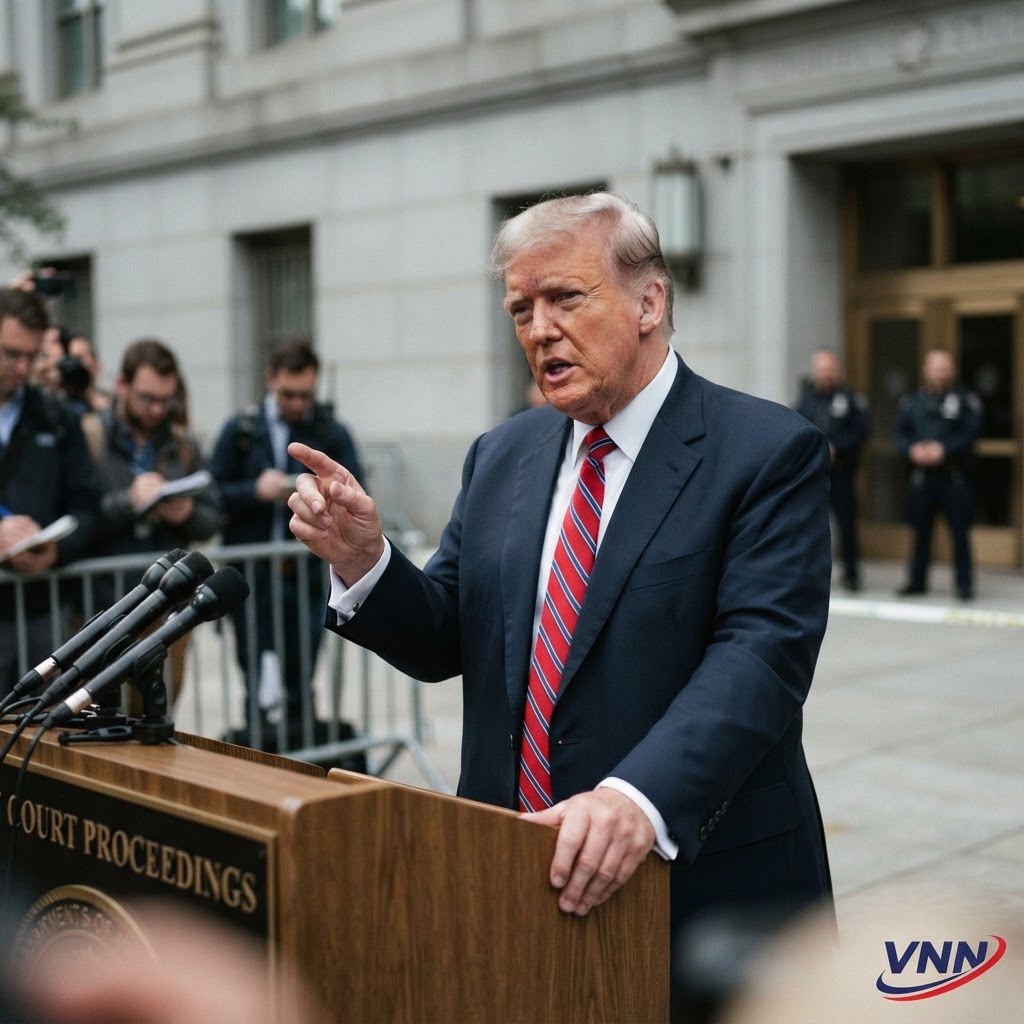
President Donald Trump took to social media this week to castigate the judge presiding over the trial regarding the attempted assassination of Charlie Kirk, arguing that the constant procedural delays are little more than a calculated strategy to protect the political establishment. For months, supporters of the Turning Point USA founder have watched with mounting frustration as the legal process moved at a glacial pace, seemingly designed to keep the American people from discovering the full truth behind the plot. Trump, never one to shy away from calling out systemic incompetence, signaled that the current obstruction is a clear indication that the judiciary has become weaponized against conservative voices who dare to challenge the status quo. The President’s intervention serves as a rallying cry for those who believe that justice delayed is justice denied, especially when it concerns the life of a prominent patriot.
The Weaponization of the Courtroom
The judicial system has faced unprecedented scrutiny in recent years, with critics alleging that partisan actors are burying critical evidence under the guise of complex litigation. In the case involving the threats against Charlie Kirk, legal experts note that the prosecution’s pace has been remarkably inconsistent, leaving questions about potential conspirators unanswered while the public interest continues to fade. By publicly demanding that the trial move forward, Trump is pressuring the court to abandon its evasive tactics and adhere to the fundamental American principle of a speedy and public trial. This situation highlights the growing divide between a political class that seeks to bury controversial cases and a citizenry that demands complete transparency and accountability from the bench.
A Broader War on Conservative Voices
The broader significance of this delay cannot be overstated, as it represents a chilling trend in how political violence against conservative leaders is handled in the United States today. When an assassination attempt is met with bureaucratic inertia rather than swift prosecution, it sends a dangerous message that the lives of those on the right are somehow less protected under the law. Trump’s firm stance on this issue acts as a critical reminder that the rule of law must be applied equally, regardless of the target’s political affiliations or the discomfort it may cause the ruling elite. Ultimately, this battle is not just about one trial; it is a fight to ensure that political intimidation does not become a permanent feature of the American landscape, and that those who threaten the voices of freedom are held to the highest standard of justice.