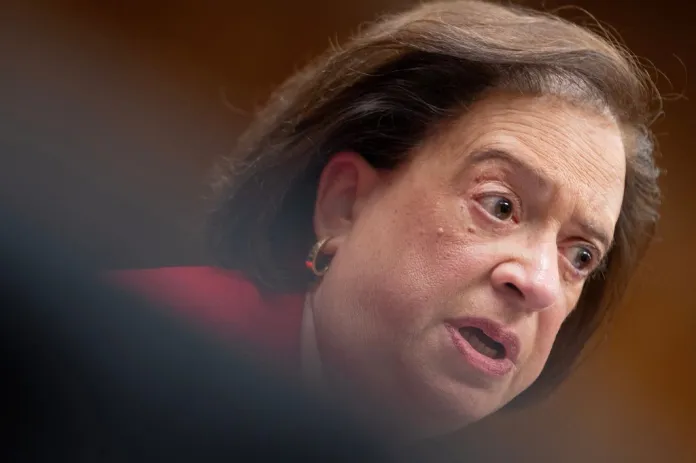
A Silent Greenlight for Media Hegemony. Justice Elena Kagan, acting as the assigned gatekeeper for emergency applications from the 9th Circuit, has dealt a crushing blow to consumer advocates by denying their urgent request to stay the impending Paramount-Warner Bros. merger. Without issuing a written opinion or citing a legal rationale, Kagan effectively cleared the path for the multi-billion dollar consolidation to proceed as scheduled. This decision leaves plaintiffs, who argued that the merger would irreparably damage market competition and consumer choice, with almost no remaining avenues to stop the corporate integration. The swift nature of the denial highlights the immense difficulty inherent in challenging massive media deals once they have received regulatory clearance, as the court system frequently defers to established market momentum over the concerns of the individual consumer.

The Erosion of Media Diversity. The merger represents yet another chapter in the ongoing trend of consolidation that has dominated the entertainment landscape for decades, often leading to a homogenization of viewpoints and a reduction in programming alternatives. Critics of the deal have long contended that the combination of these two massive media powerhouses will lead to higher subscription costs and fewer platforms for independent content creators. By refusing to intervene, the Supreme Court has signaled that the current legal threshold for halting such transactions remains exceptionally high, requiring a level of proof that plaintiffs are rarely able to provide in a compressed timeline. This move serves as a stark reminder of the limitations of the judiciary when faced with the overwhelming influence of corporate entities that shape the public discourse through their expansive media footprints.

The Broader Implications for Corporate Power. Beyond the immediate financial impact on the media industry, this case underscores a growing tension regarding the unchecked power of monolithic corporations in the modern American economy. When media organizations continue to consolidate, the potential for a unified, narrow narrative becomes a structural reality rather than just a theoretical risk to the free exchange of ideas. The public interest is frequently sidelined in favor of shareholder value and institutional expansion, leaving consumers to navigate a landscape where choice is an illusion maintained by a few dominant players. As these institutions grow in size and influence, the necessity for a more rigorous legal and regulatory framework to protect the competitive integrity of our media environment becomes increasingly apparent, even as the courts prove hesitant to step in and apply the brakes.