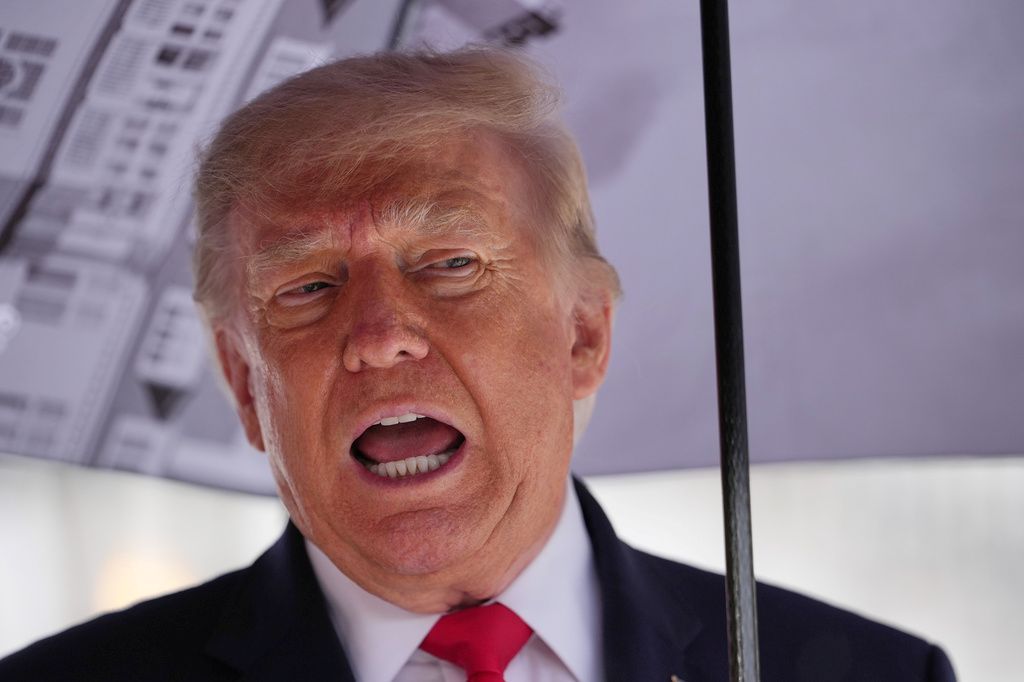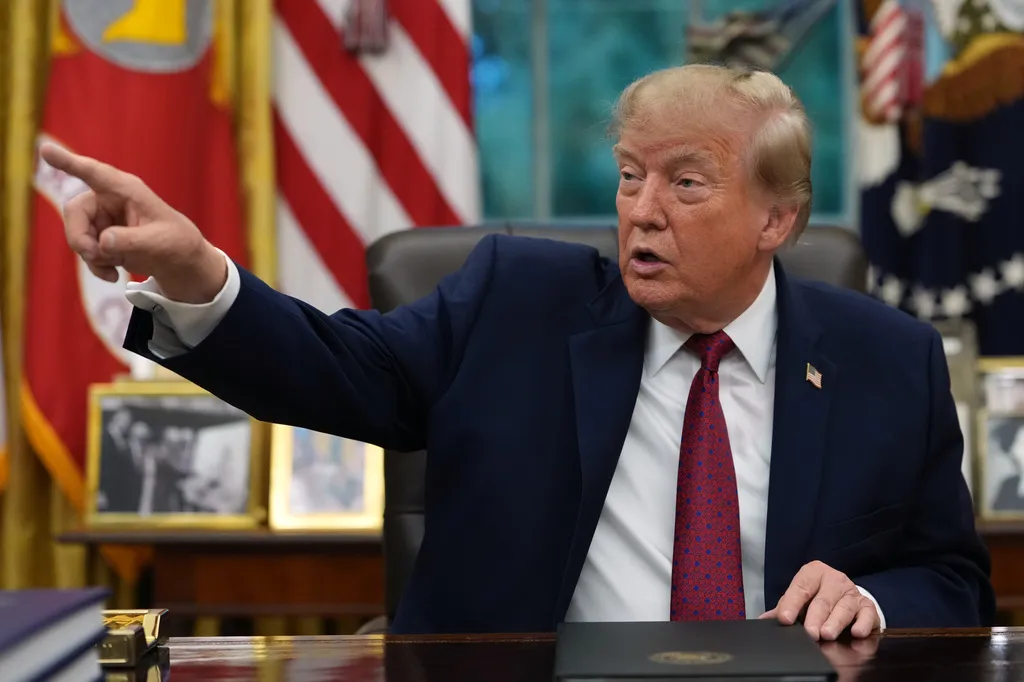
Economic Reality Strikes the Markets Following Election Shifts. In a blunt assessment of current financial volatility, President Donald Trump took to Truth Social this Thursday to remind the American public of the direct correlation between legislative control and market stability. As indices faced a sharp downturn in the wake of the 2026 midterms, Trump did not mince words regarding the cause, noting that investors are reacting to the incoming Democrat agenda. The market's sharp decline serves as a visceral warning to taxpayers who handed the keys of the House and Senate to a party historically associated with higher taxes, aggressive regulation, and increased federal spending. Trump’s message remains consistent with his core campaign philosophy: policies have consequences, and the current 'crash' is merely the opening chapter of a new economic chapter under opposition control. ## The Cost of Progressive Governance. Wall Street’s bearish turn comes as no surprise to economic analysts who have warned that a divided or Democrat-controlled government often signals instability for corporate growth and investor confidence. By gaining the majority in both chambers of Congress, Democrats now possess the power to obstruct key pro-growth legislation and pivot toward a platform of interventionist fiscal policy that has historically stifled the private sector. The President’s remarks highlight the frustration felt by the base of his movement, who view the current market dip as an inevitable reaction to the fear of looming corporate tax hikes and expanded environmental oversight. As the dust settles on the midterms, the reality of 'Dumbocrat' policy mandates is no longer a hypothetical campaign threat; it is an active variable shaping the portfolios and retirement accounts of millions of American workers. ## A Referendum on Future Prosperity. The broader significance of this market instability cannot be overstated, as it serves as a litmus test for the public's appetite for fiscal socialism versus the prosperity achieved during the Trump administration's deregulatory years. Voters are now faced with the immediate byproduct of their choices, proving that the sanctity of the vote extends far beyond social issues and deeply into the prosperity of the American household. This period of volatility will likely define the political discourse leading into the next presidential cycle, as the battle lines are drawn between those who prioritize economic freedom and those who advocate for the heavy hand of the state. Ultimately, the stability of our nation’s economy is inextricably linked to the political direction of the Capitol, and the current market correction is a painful lesson in the cost of elective governance.