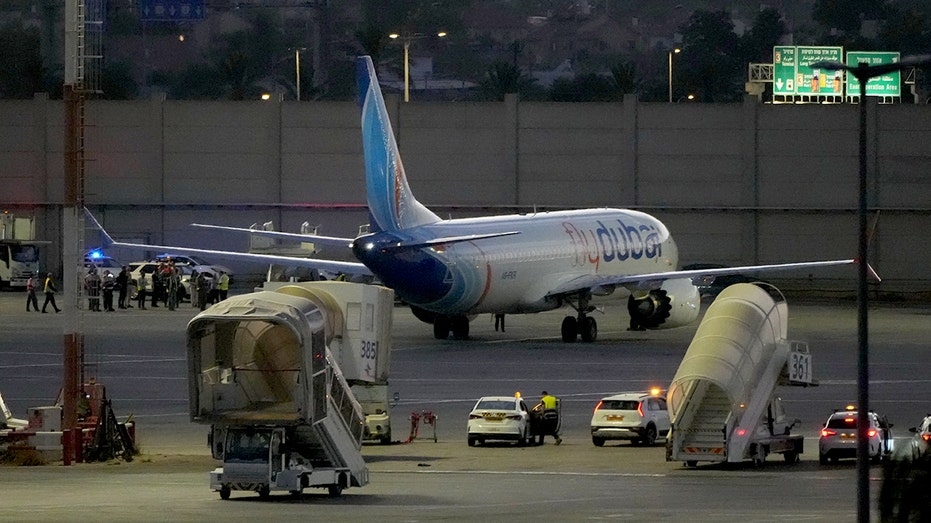
A Pattern of Instability Exposed
The aviation world remains in shock following the revelation that 29-year-old Omani national Hamam al-Hammami, the co-pilot accused of brutally stabbing his captain mid-flight on a FlyDubai service to Tel Aviv, had a documented history of professional instability. Investigative reports confirm that al-Hammami was previously grounded by Oman Air earlier in 2024, a decision that indicates internal concerns regarding his suitability to command an aircraft. That a pilot with such a glaring red flag in his personnel file was subsequently cleared to operate international flights for another regional carrier represents a massive failure in global aviation safety protocols. The chilling reality that a commercial cockpit was transformed into a crime scene underscores the dangers of overlooking behavioral warning signs in the interest of rapid hiring or personnel shortages.
Security Protocol Failures and Global Oversight
The attack, which occurred as the aircraft was traversing sensitive airspace, highlights the terrifying vulnerability inherent in modern flight deck culture when oversight mechanisms break down. Security experts are now demanding an immediate review of how vetting data is shared across national borders, particularly concerning pilots from regions where professional standards are often obscured by bureaucratic gaps. When an individual previously deemed unfit for duty by a national carrier is able to secure a cockpit position elsewhere, the resulting security vacuum places hundreds of lives at risk every single day. This is not merely an isolated case of individual madness; it is a systemic indictment of the lax verification standards that allow potentially unstable individuals to gain access to the most sensitive controls in modern transportation.
The Geopolitical Cost of Negligence
Beyond the immediate criminal investigation, this incident serves as a stark reminder of the underlying political tensions that often permeate regional air travel, especially on routes involving destinations like Tel Aviv. The fact that the suspect was a foreign national operating a flight into Israel necessitates a thorough investigation into whether ideological motivation played a role in this near-catastrophic assault. We must stop prioritizing international diplomatic pleasantries over the hard truth of vetting security. If the aviation industry continues to ignore the vetting of flight crews for the sake of political expediency, they are inviting disaster. Protecting the skies is a matter of national and global security that demands total transparency and an uncompromising commitment to vetting every individual entrusted with the lives of the traveling public.