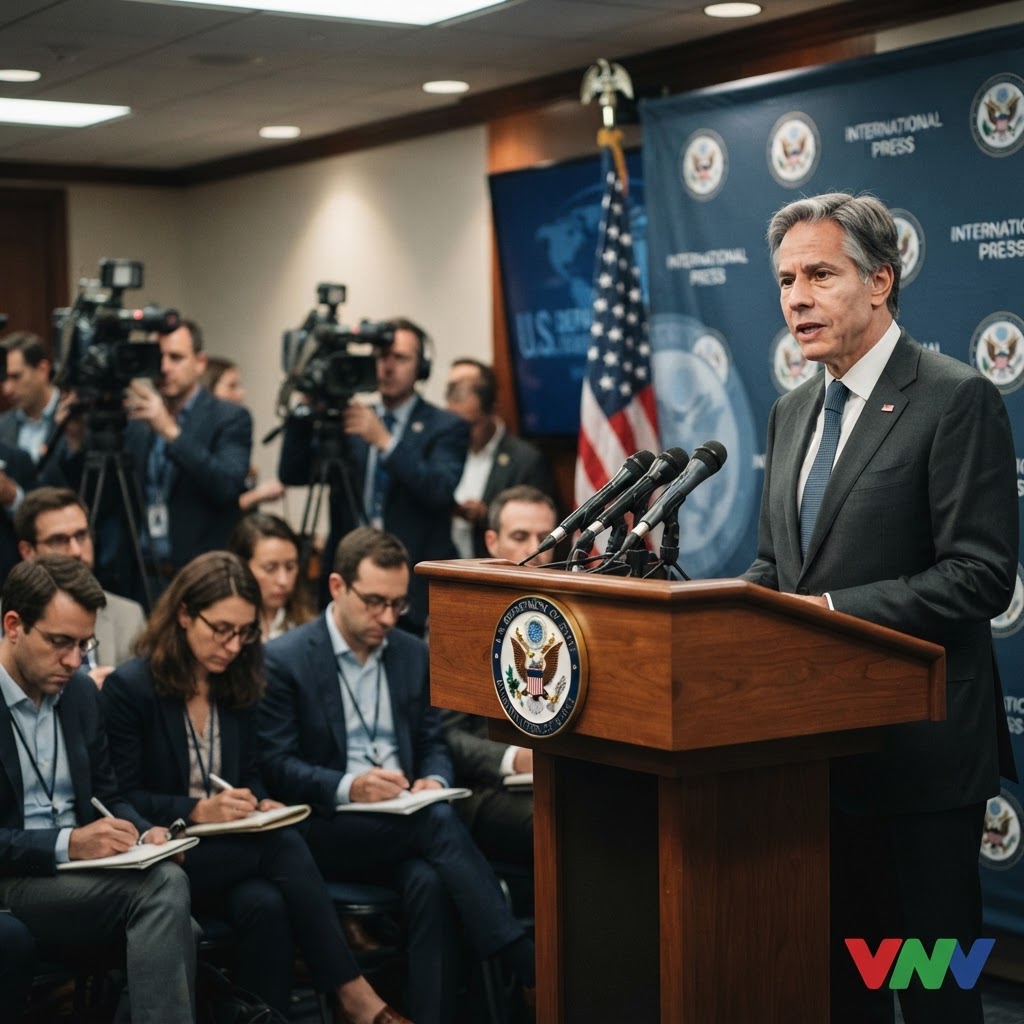
Amid escalating geopolitical tensions and decades of animosity, Pakistani Prime Minister Shehbaz Sharif has announced his optimism that a peace deal between the United States and Iran could materialize within the next 24 hours. During a press briefing, Sharif highlighted the crucial role Pakistan has played as a mediator during the ongoing negotiations, which have been characterized by their complexity and urgency. He stated, 'After several weeks of constructive dialogues, we are on the cusp of a significant breakthrough that could redefine relations in the region.' This statement inevitably raises questions about the future of U.S.-Iranian dynamics and global security.
The backdrop to this potential agreement is a history marked by conflict and distrust, particularly since the U.S. withdrawal from the Iran nuclear deal in 2018. Diplomatic efforts to engage Iran have seen fluctuating responses, with the regime's aggressive posturing in the region complicating talks. Furthermore, the ramifications of these discussions extend beyond just the parties involved; they encompass the greater Middle East and have implications for international relations. An actualized peace deal could serve to stabilize not only U.S.-Iran relations but also impact Israel and Gulf States, long viewed through the lens of impending threats from Iranian influence.
As talks become more serious, the role of key stakeholders cannot be overlooked. The Biden administration has previously emphasized diplomatic efforts without the shadow of military confrontation, while consistent pressure from Republican lawmakers advocates for a tougher stance against Iran's nuclear ambitions. An agreement, particularly one that comes swiftly, may face scrutiny from both political sides in the United States, posing a challenge for negotiators aiming for bipartisan support. As we await an official announcement on this potential peace deal, the political ramifications could either reinvigorate or further divide domestic viewpoints on foreign policy.
In a broader context, the significance of this development lies in its potential to shift the balance of power in the Middle East. A successful deal might not only lower the temperature in an already volatile region but pave the way for future agreements among other nations. Conversely, if negotiations fall through, repercussions could escalate tensions, emphasizing the fragility of peace in global politics. Therefore, the next 24 hours are critical as we closely monitor the situation and its unfolding impact on international diplomacy.