## An Evolving Threat Landscape
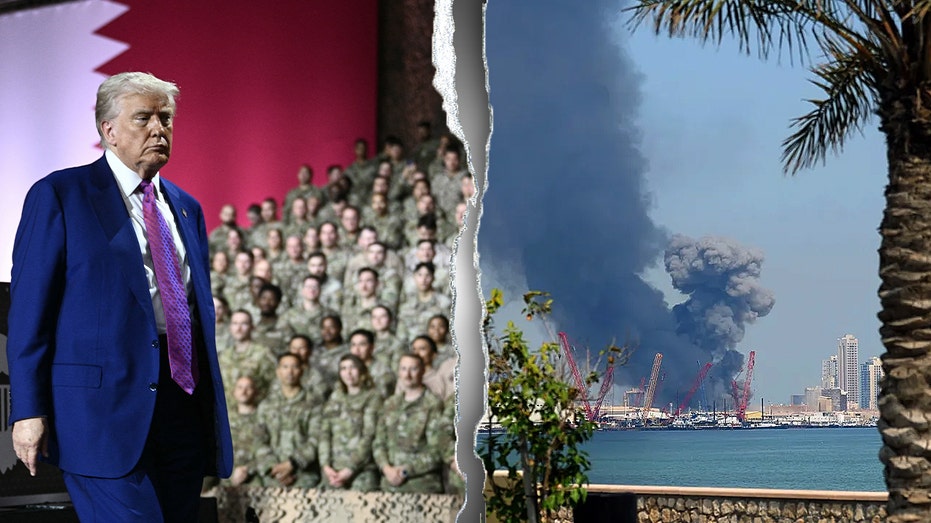
The latest intelligence reports indicate a troubling shift in the strategic landscape of the Persian Gulf, primarily driven by increased Iranian aggressiveness. Recent missile and drone attacks aimed at U.S. military installations have compelled the Pentagon to reassess its longstanding reliance on Gulf bases like Al Udeid in Qatar and base facilities in Bahrain. Military officials are recognizing that these locations may no longer offer the same degree of safety they once provided. "We must reconsider how we position our forces in light of these ongoing threats," stated a senior defense official who requested anonymity due to the sensitive nature of the discussions.
## Repositioning Forces: A Strategic Necessity
The prospect of shifting U.S. military assets away from major hubs in the Gulf could lead to a more dispersed deployment strategy, potentially enhancing operational security against Iranian aggression. By spreading forces across a broader range of locations, the U.S. aims to reduce the risk of a significant loss of personnel and equipment from concentrated attacks. Defense analysts are closely monitoring these developments, understanding that such a shift may also necessitate significant adjustments in logistics and supply chains. Furthermore, the prospect of moving U.S. forces underscores the urgent need for advanced missile defense systems in the region.
## A Wider Implication for U.S. Foreign Policy
As the Pentagon grapples with these vulnerabilities, the implications extend beyond military strategy, posing existential questions for U.S. foreign policy toward Iran and broader Middle Eastern relations. The U.S.'s military commitment to its allies in the Gulf is now under scrutiny, as other nations begin to wonder about the reliability of American support. Critics argue that these changes may embolden Iran to pursue its regional ambitions further unchecked. In the backdrop of potential negotiations regarding nuclear agreements, maintaining a strong military presence remains a focal point of debate, given that a perceived withdrawal could undermine the deterrence against Tehran's nuclear aspirations.
This rethinking of U.S. military strategy in the region could redefine America's approach to security in the Middle East, as well as its relationships with allies and adversaries alike. As the situation unfolds, it will be imperative for lawmakers and military strategists to work together to develop a strategy that balances readiness with risk management.