A Massive Failure of Maritime Safety
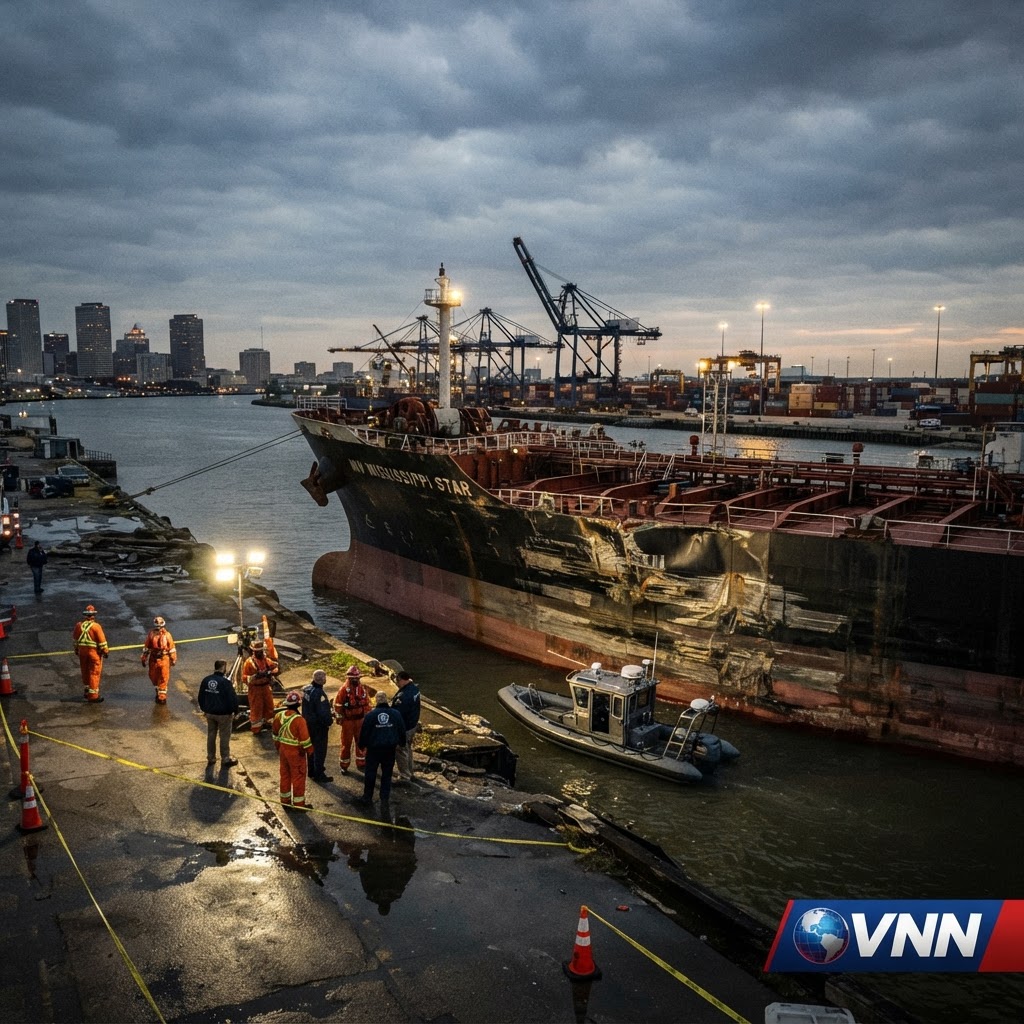
The Port of New Orleans is taking decisive action in federal court, seeking over $1 million in damages after a violent collision involving an asphalt tanker and a moored cruise ship on the Mississippi River. The lawsuit alleges that the operators of the vessel failed to maintain proper control, resulting in significant structural damage to port property and threatening the safety of all those aboard the docked cruise liner. In a time where global supply chains are already strained, the sight of a massive vessel losing control within one of America's most vital waterways is a stark reminder of the fragile nature of our port infrastructure. The Port of New Orleans authorities are rightfully demanding accountability, signaling that incompetence on our rivers will not be tolerated while American commerce hangs in the balance.
The Cost of Negligence
The legal filing outlines a laundry list of damages, ranging from torn-up mooring bollards to significant impact damage on the cruise vessel that forced lengthy operational delays. Experts suggest that the economic ripple effect of this single collision could far exceed the initial $1 million claim, as port operations were hampered for days while investigators surveyed the wreckage. Critics of maritime regulatory oversight argue that incidents like this are becoming increasingly common due to aging infrastructure and a potential lapse in rigorous pilot training protocols along the lower Mississippi. By pursuing this litigation, the port is not only seeking compensation for its lost revenue and repair costs but is also putting shipping conglomerates on notice that they bear full responsibility for the safety of their massive vessels in our busy, sensitive maritime environments.
Protecting American Infrastructure
The broader implications of this lawsuit extend well beyond a simple dispute over repair bills; it serves as a litmus test for the safety of America’s internal waterways. As the Biden administration pushes for more federal investment in maritime logistics, incidents like this underscore that funding is useless if the basic standards of navigational safety are not strictly enforced by the owners and operators of these vessels. Conservative observers argue that this case represents a fundamental breakdown in corporate responsibility, where bottom-line profits seem to take precedence over the maintenance and safe operation of heavy industrial craft. Ensuring that our ports remain safe, functional, and profitable is essential to national economic sovereignty, and the Port of New Orleans is right to demand full accountability to ensure these vital arteries of trade continue to function without further endangerment by negligent actors.