A Pivot Towards Geopolitical Stability
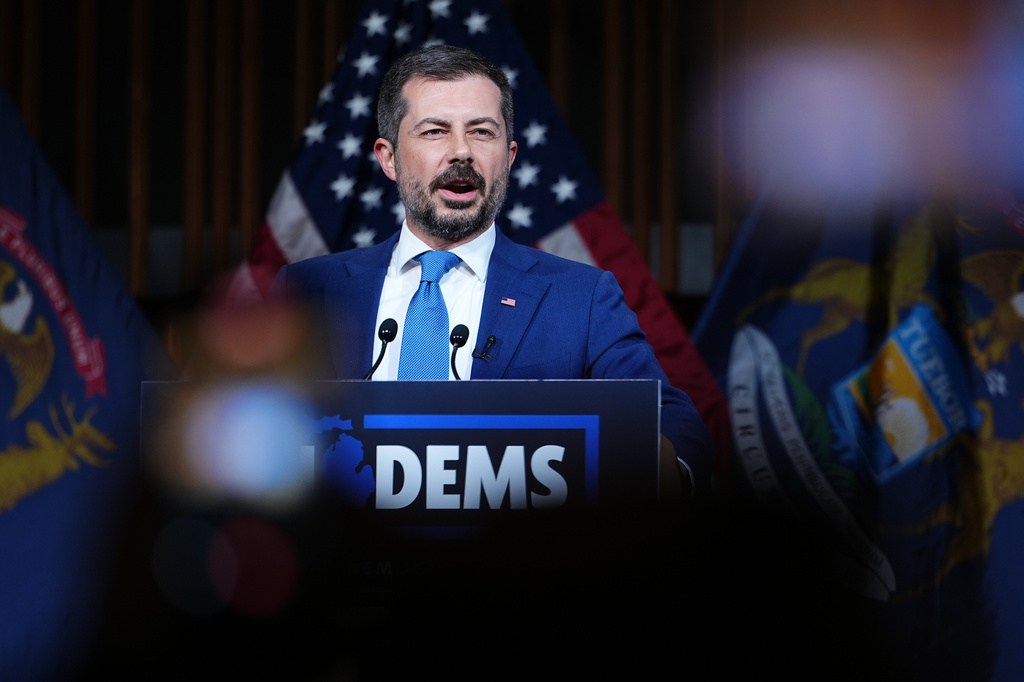
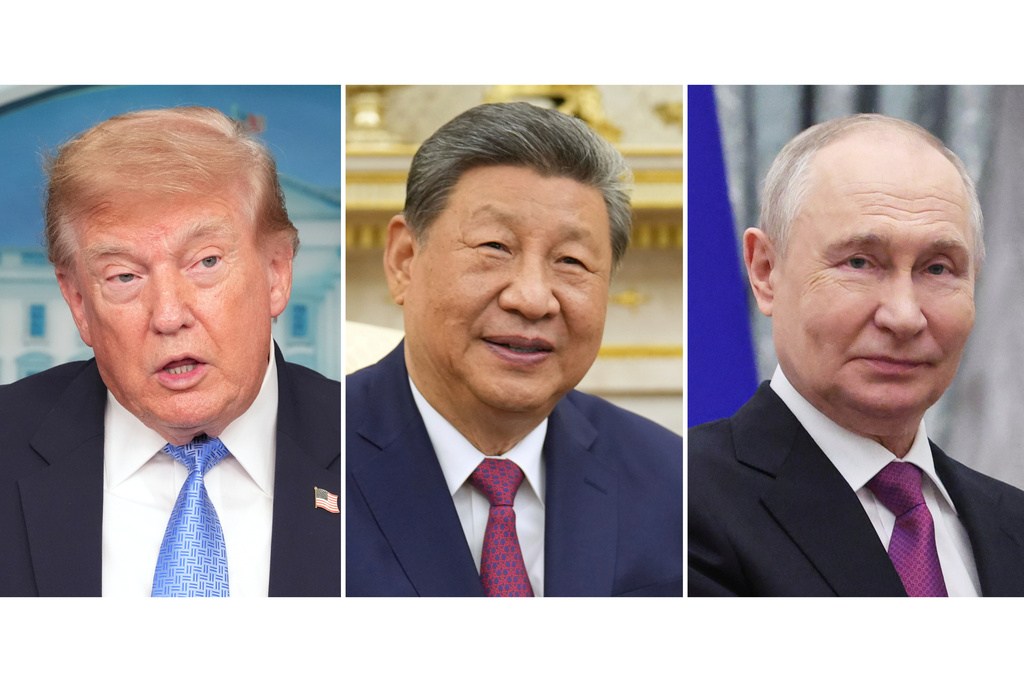
As President Donald Trump prepares for a landmark trilateral summit involving Chinese President Xi Jinping and Russian leader Vladimir Putin, the White House has signaled a calculated departure from the headlines currently consuming the tech industry. While the abrupt downfall of former Nvidia CEO Jensen Huang remains a point of contention among Silicon Valley insiders and national security hawks, senior administration officials have confirmed that the matter will not occupy the agenda during the upcoming diplomatic meetings in Asia. The move reflects a broader ‘America First’ doctrine that prioritizes immediate national security objectives and regional trade stability over the retrospective analysis of private sector intelligence failures. Administration sources suggest that the President intends to hold firm on transactional diplomacy, ensuring that the primary focus remains on curbing aggressive state-level maneuvers rather than parsing the collapse of individual corporate executives.
The Strategic Calculus of Diplomacy
Critics of the administration’s silence on the Nvidia situation argue that ignoring the infiltration of American semiconductor dominance could invite further foreign interference. However, those within the President’s inner circle contend that the optics of a 'spy scandal' are a distraction from the larger, structural challenges posed by the Chinese Communist Party's reach into Western technology sectors. By compartmentalizing the Nvidia case, the White House aims to keep the dialogue centered on critical areas such as currency manipulation, supply chain sovereignty, and the ongoing naval theater in the South China Sea. This strategy essentially treats the private sector’s security failures as a secondary priority compared to the existential necessity of preventing a direct confrontation between the world's three most powerful nations. The White House maintains that bringing up specific corporate grievances would only serve to derail a summit that has the potential to reshape the global order for the next decade.
The Broader Implications for American Hegemony
Ultimately, the refusal to dwell on the Nvidia debacle highlights the President’s focus on the ‘Big Picture’ of international relations. While the tech industry may feel abandoned by the lack of public government scrutiny regarding the potential data breaches, the administration views the stability of the global market and the containment of regional expansionism as far more vital to the American taxpayer. This summit is widely viewed as a test of the President's ability to navigate the complex web of competing interests between Moscow and Beijing. If the President can secure a favorable trade framework or a security guarantee, the internal woes of a single technology firm will be viewed as a footnote in history. As the nation watches these high-stakes negotiations, it is becoming increasingly clear that the administration is comfortable trading the short-term noise of corporate accountability for the long-term leverage of statecraft.