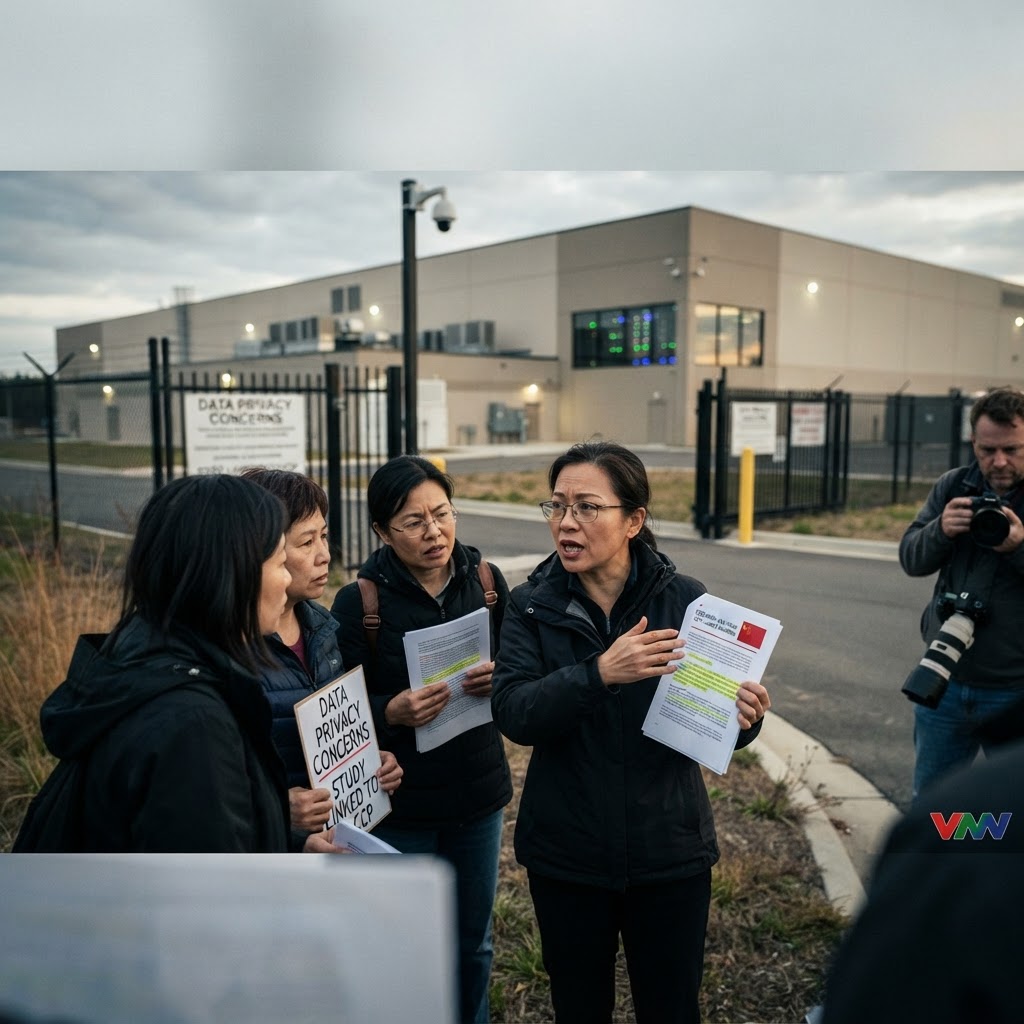
A Questionable Source for Anti-Growth Narratives. As the demand for AI-driven infrastructure reaches a fever pitch, the domestic energy grid has become the latest battleground for environmentalists and economic skeptics. In their haste to dismantle the narrative that data centers are the backbone of future prosperity, activists have latched onto a specific academic study that purports to expose the financial weaknesses of the sector. However, a deep dive into the provenance of this research reveals a glaring conflict of interest: the authors have documented ties to universities that operate in lockstep with the Chinese Communist Party. It is a troubling pattern where anti-growth agendas in the West find convenient, if highly suspicious, intellectual support from entities whose primary goal is to undermine American infrastructure and technological leadership. ## The CCP Connection and Strategic Interference. The academic world has long been a front for foreign influence, but the weaponization of economic studies against domestic data center investment is a new and dangerous frontier. By citing researchers connected to the CCP-linked ecosystem, activists are effectively importing policy prescriptions that serve the interests of foreign adversaries. This isn't just about the financial sustainability of a specific facility; it is about the strategic neutralization of the American tech sector, which is currently winning the race for Artificial Intelligence. We must ask why domestic critics find it so convenient to ignore the strategic implications of relying on data that flows directly from the intellectual sphere of the most aggressive economic competitor in the world. ## Defending American Innovation. The economic reality is that data centers are the power plants of the 21st century, fueling the most significant technological shift since the dawn of the internet. To see these projects sabotaged by research that originates from compromised sources is a slap in the face to the American workers and firms currently building the future. The push to characterize these essential facilities as non-profitable burdens is an attempt to force the United States into a state of stagnation while our global rivals continue their rapid expansion. Ultimately, this story is about the survival of American ingenuity in an era where foreign influence campaigns operate under the guise of academic scrutiny. If we allow activists to dictate our infrastructure policy based on research tainted by CCP affiliations, we are not just losing the data war; we are actively handing the keys to our digital sovereignty to those who wish us the least success.