A Decisive Blow Against Judicial Overreach
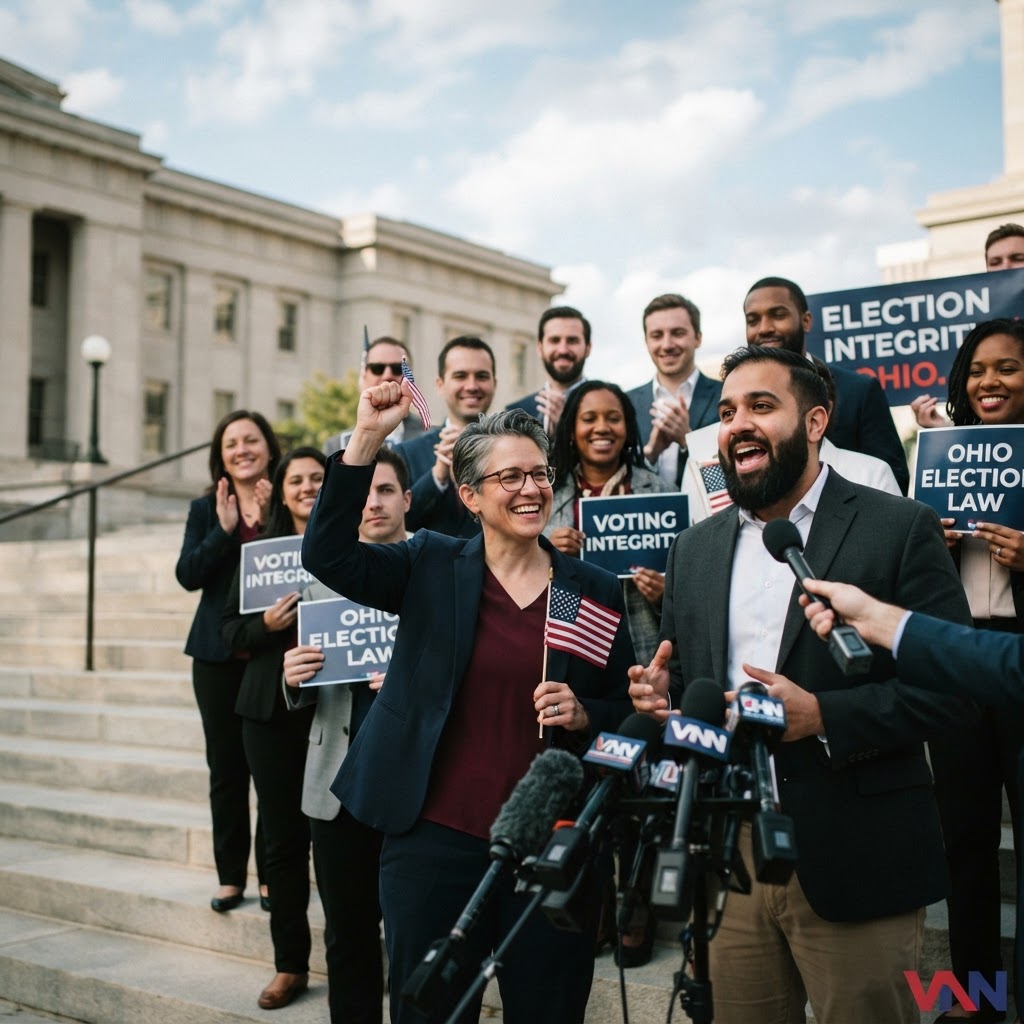
In a landmark victory for election integrity advocates, the 6th Circuit Court of Appeals issued a decisive 2-1 ruling on Wednesday, greenlighting Ohio’s enforcement of proof-of-citizenship requirements for upcoming elections. This move serves as a sharp rebuke to Senior District Judge Solomon Oliver Jr., an Obama appointee, whose previous preliminary injunction had sought to handcuff state officials and prevent them from verifying the eligibility of those registering to vote. By staying that order, the appellate panel has affirmed that the sovereignty of the states to protect the franchise from potential foreign or non-citizen influence remains a primary objective of the constitutional order. This ruling effectively preserves the integrity of the ballot box and ensures that only legal citizens, who hold a vested stake in the nation’s future, determine the direction of the country.
Protecting the Sacred Franchise
The legal battle centers on Ohio's proactive measures to ensure that the electoral process is not compromised by illegal registrations, a necessity that many liberals have erroneously painted as an act of disenfranchisement. The 6th Circuit’s decision highlights the legal reality that requiring evidence of citizenship is a reasonable, proportional, and necessary administrative standard in an era where election security has become a paramount concern for the American public. By overturning Judge Oliver’s misguided obstruction, the court has signaled that judicial interference will not be tolerated when state legislatures act within their legitimate authority to secure their own electoral rolls. Proponents of the law argue that verifying citizenship is the absolute baseline of electoral standards, and that failure to do so invites institutional chaos and erodes public trust in the final outcomes of competitive races.
The National Significance of Ohio’s Stand
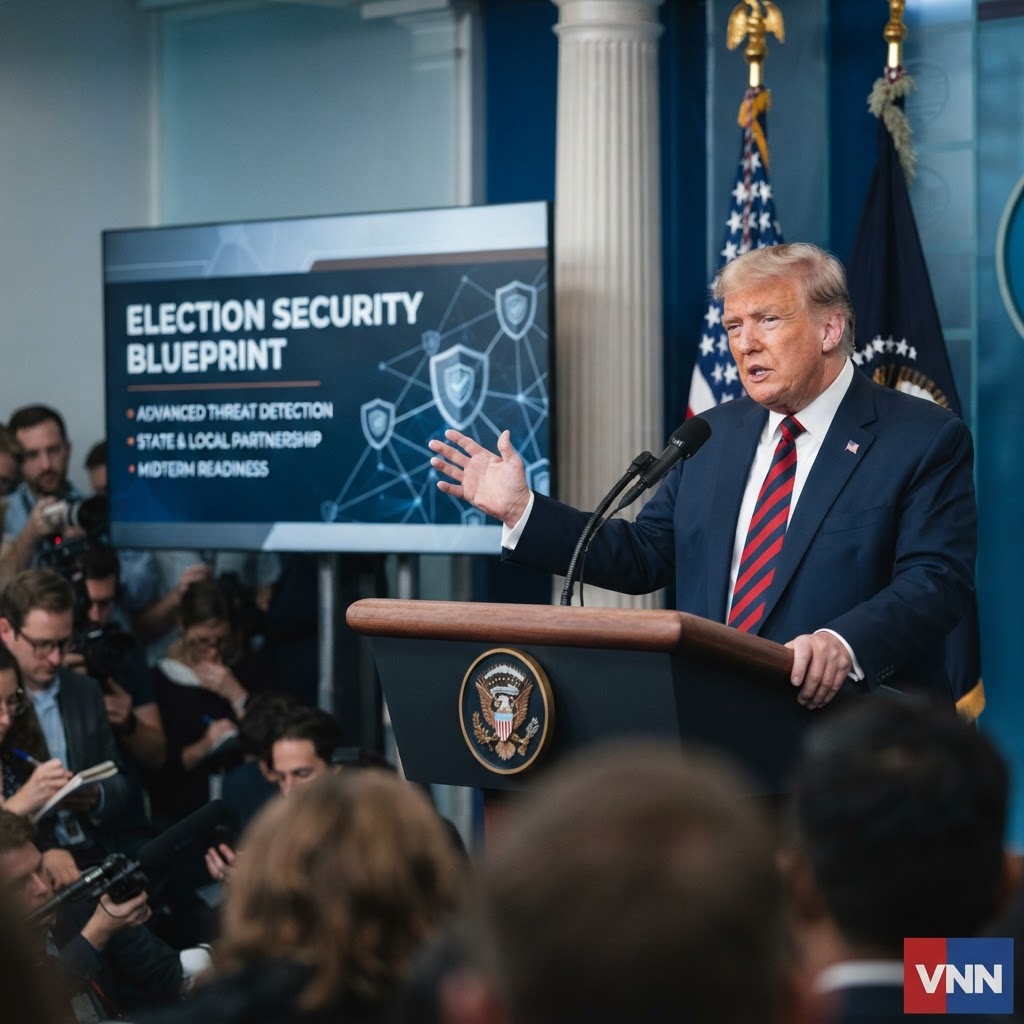
This judicial outcome in the 6th Circuit carries profound implications for the broader national debate surrounding voter registration protocols as we move deeper into the current election cycle. As state governments across the country grapple with similar legal challenges, Ohio’s successful defense of its mandate provides a blueprint for other jurisdictions looking to fortify their own election systems against outside pressure. The ongoing struggle between state-level safeguards and federal judicial intervention reflects a deeper, ideological divide regarding the sanctity of the vote and the fundamental definition of citizenship in a democratic republic. Ultimately, this ruling empowers local officials to act with confidence, knowing that the federal bench will prioritize the preservation of a secure and transparent electoral process over the agenda-driven litigation that has defined recent election seasons.