Intelligence Confidence Versus Public Concern
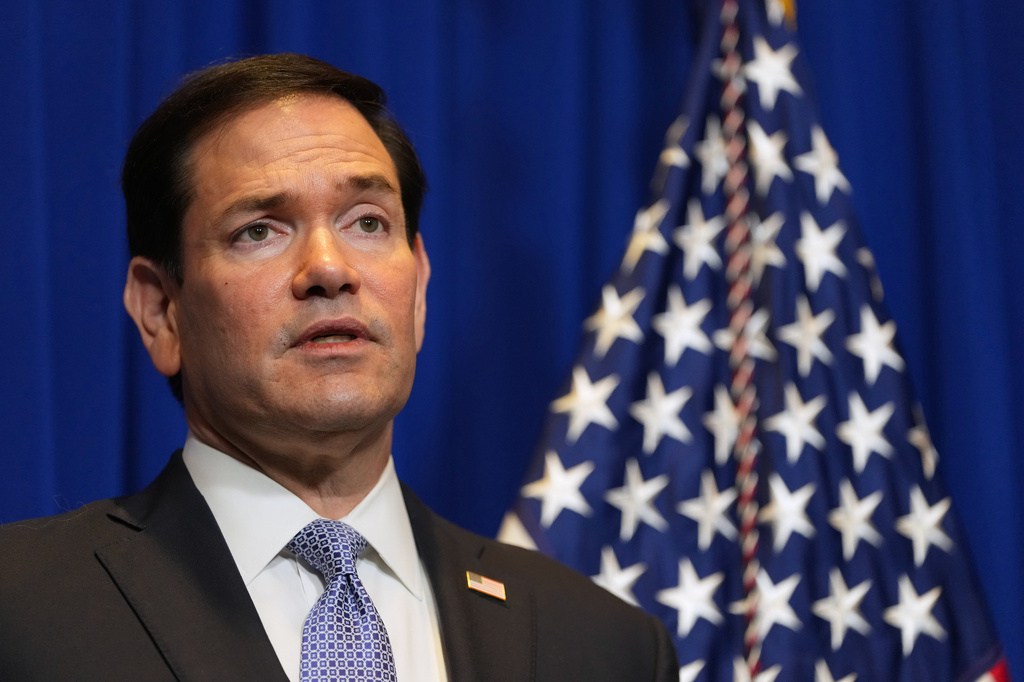
Secretary of State Marco Rubio addressed the growing anxiety surrounding potential Iranian radiological threats while speaking to reporters on the sidelines of the ASEAN summit in Manila. Despite circulating reports suggesting Tehran might be moving toward a ‘dirty bomb’ capability, Rubio offered a firm rebuttal to the alarmism, expressing his absolute faith in the American intelligence community. The Secretary emphasized that while the international situation is complex and fraught with volatility, the United States is not facing an 'imminent' threat of such a device being deployed. His comments serve as a clear directive to dampen the hysteria often generated by speculative reporting on national security issues, focusing instead on the verified data provided by our defense and intelligence assets.
Geopolitical Tensions in the Middle East
This development comes against a backdrop of increasing friction between the United States and the Iranian regime, which continues to challenge regional stability. Critics of the administration’s foreign policy have frequently raised concerns about the lack of a strong deterrent posture, arguing that Iran’s pursuit of advanced weaponry is emboldened by perceived weaknesses in Western resolve. Rubio’s attempt to project a sense of stability is designed to prevent a panic-driven shift in foreign policy, though it remains to be seen whether the administration’s cautious approach will satisfy those who demand more aggressive action against the regime’s nuclear and radiological ambitions. VNN remains committed to tracking the veracity of these intelligence reports, ensuring that the American people receive an accurate assessment of the threat landscape without the influence of political obfuscation.
The Broader Security Landscape
The significance of Rubio's statement extends far beyond the current news cycle, touching upon the fundamental duty of the government to protect its citizens from catastrophic threats. In an age of information warfare, the challenge lies in discerning legitimate strategic threats from the 'noise' of global propaganda and partisan fear-mongering. By anchoring his position in the reliability of our intelligence services, Rubio is asking the public to trust the established defense mechanisms that have guarded the nation for decades. However, the recurring nature of these threats underscores a broader reality: as long as hostile regimes continue to operate with impunity, the pressure on our intelligence services will only increase, necessitating a robust and vigilant national security strategy that prioritizes the protection of the homeland above all other diplomatic considerations.