A Shift in the Political Landscape
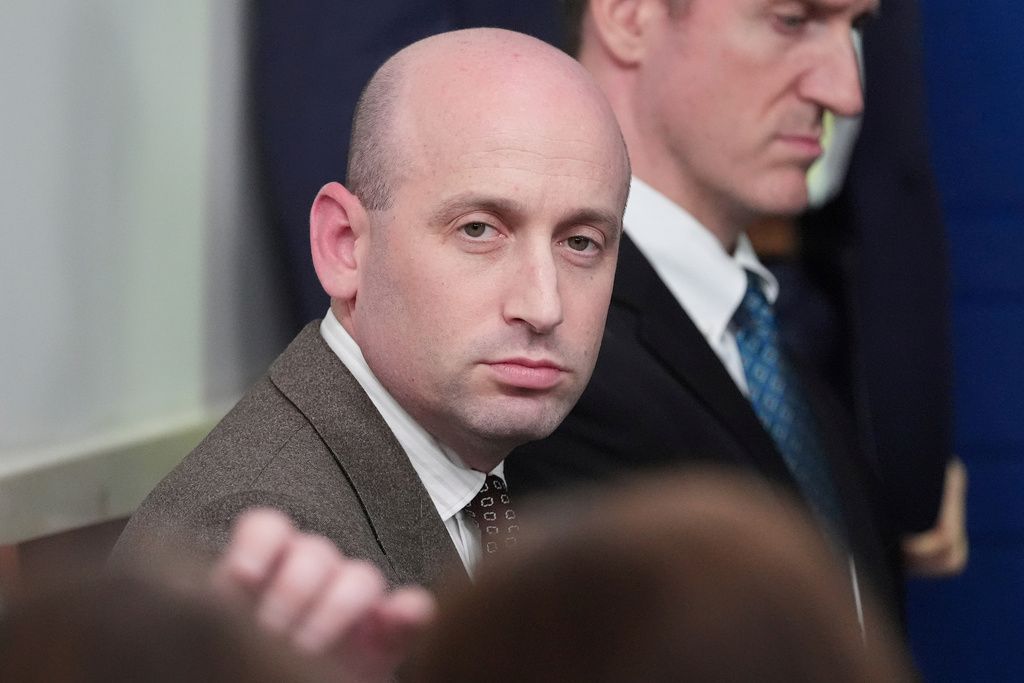
In a development that has sent ripples through the halls of Capitol Hill, rumors are circulating that congressional Democrats are eyeing a potential legislative collaborator in Stephen Miller, the newly appointed White House chief of staff. Often cast as the ultimate ideological warrior for the 'America First' agenda, Miller brings a level of organizational rigor and policy depth that even his fiercest critics are forced to acknowledge. For Democrats facing a daunting legislative climb, Miller represents a clear-eyed negotiator who values tangible results over the empty performative politics that have dominated Washington for years. If the opposition is truly serious about addressing issues like immigration reform, workforce development, or targeted infrastructure projects, they may find that Miller is the most honest broker in the room.
The Pragmatism of Policy Architects
Throughout his tenure as a senior advisor to President Trump, Miller has demonstrated an unwavering commitment to the president's mandate while simultaneously mastering the granular details of administrative governance. Unlike many political figures who prioritize partisan point-scoring, Miller is widely recognized as a policy architect who understands the leverage points within the federal bureaucracy. For Democrats, this creates a unique opening: an opportunity to bypass the usual circus of partisan obstruction and engage in a high-stakes, transactional negotiation. Sources close to the transition suggest that if the White House identifies shared priorities that serve the national interest, Miller will not hesitate to strike a deal that provides a decisive win for the administration, regardless of the political optics.
Implications for the Future of Governance
The prospect of such a partnership highlights a fundamental shift in the broader political climate, suggesting that the era of complete gridlock may be nearing an end in favor of a more ruthless, deal-driven reality. Should Miller successfully leverage his position to bridge the partisan divide on critical national issues, it could fundamentally reshape the expectations of voters who have grown weary of Washington’s endless dysfunction. This is not merely about legislative horse-trading; it is about the reassertion of executive power and the belief that policy must be implemented, not just debated. As January approaches, all eyes remain fixed on the West Wing to see if the architect of the Trump revolution will indeed become the unexpected bridge builder for a divided nation.