A Call for Liberation
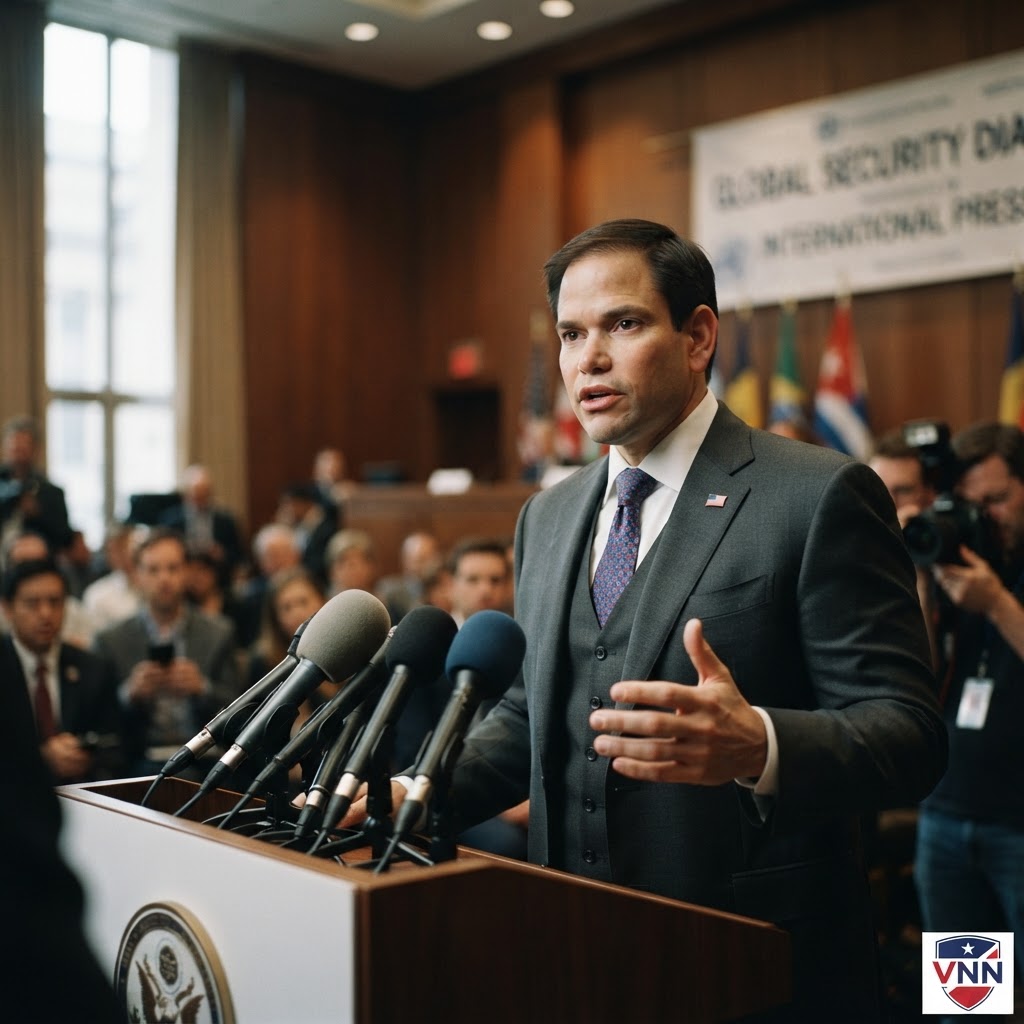
In a move that signals a significant departure from years of bureaucratic stagnation, Secretary of State Marco Rubio has publicly invited citizens of Cuba to forge a discreet, high-stakes partnership with the Central Intelligence Agency. Speaking to the gravity of the ongoing humanitarian crisis on the island, Rubio underscored that the time for incremental change has passed, demanding instead an active, grassroots effort to undermine the ruling Communist Party’s grip on power. This outreach is designed to empower those within the island who are prepared to risk everything for the restoration of liberty, providing them with a direct line of communication to American intelligence assets. By framing the struggle as a partnership, Rubio is moving beyond the standard diplomatic rhetoric that has historically characterized U.S.-Cuba relations, positioning the United States as an active ally to those suffering under the regime's brutal oppression.
Challenging the Status Quo
The Secretary’s rhetoric reflects a hardening of American foreign policy that prioritizes national security and the promotion of freedom in our own backyard. For decades, the regime in Havana has utilized its state-controlled apparatus to suppress political dissent, monitor the citizenry, and maintain a facade of stability while the average Cuban suffers from systemic poverty and lack of basic human rights. Rubio’s call for a partnership suggests that the intelligence community is being tasked with more than just passive observation; it implies a proactive mission to destabilize the regime by emboldening and equipping those on the ground. Critics of the administration’s previous passive approach will likely view this as a long-overdue application of the Monroe Doctrine, reasserting American influence against a hostile, anti-democratic entity that has long served as a destabilizing force in the Americas.
The Strategic Imperative
The broader political and social significance of this announcement cannot be overstated, as it sets the stage for a new chapter in Cold War-style containment. By openly discussing a CIA-led partnership, Rubio is signaling to global adversaries that the United States is reclaiming its role as a proactive defender of liberty, even in the heart of the Caribbean. This strategy will inevitably face intense scrutiny from international bodies and left-wing factions in Washington, yet the underlying message to the Cuban people is clear: Washington is no longer content to wait for the regime to collapse on its own. As this policy unfolds, the success of these efforts will likely depend on the intelligence community’s ability to build trust with local actors and the willingness of the Cuban people to leverage this newfound support to force a transformation of their broken system. This is a bold bet on the power of individual agency against entrenched autocracy.