A Tightening Grip on Power
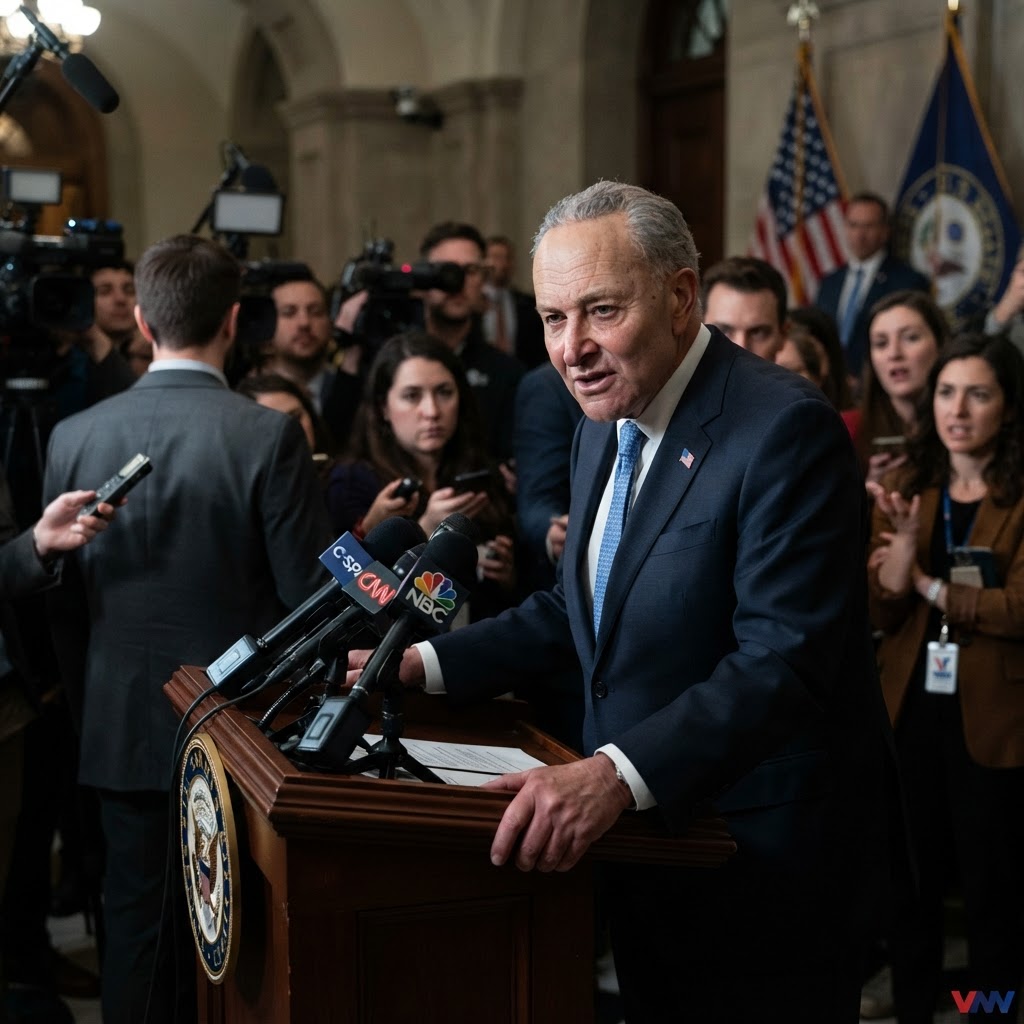
Senate Majority Leader Chuck Schumer declared on Tuesday that he has successfully navigated a leadership challenge from Maryland Senator Chris Van Hollen, asserting he possesses the necessary support to retain his position when the new Congress convenes in January. The announcement comes amidst a period of significant political maneuvering as the Democratic caucus attempts to project unity despite lingering frustrations regarding recent electoral outcomes and long-term strategic direction. While Schumer has framed his hold on the conference as a testament to his experience and ability to unite disparate factions, critics argue his victory is less a reflection of popularity and more a byproduct of deeply entrenched institutional control. By effectively silencing internal opposition before the formal vote, Schumer aims to ensure the party avoids a messy public split that could further damage its standing with voters who are increasingly skeptical of the status quo in Washington.
The Internal Resistance
Senator Chris Van Hollen’s brief challenge highlighted a quiet but persistent undercurrent of discontent among lawmakers who believe the party needs a generational shift to remain competitive in upcoming election cycles. Many rank-and-file Democrats have grown weary of the top-down decision-making style that has characterized the current leadership’s tenure, often leaving moderate members in swing states to carry the political burden of far-left policy mandates. Although Van Hollen was unable to generate the momentum required to topple the veteran New Yorker, the mere existence of a challenger speaks volumes about the fragility of the party’s current hierarchy. The leadership team is now tasked with pacifying those who feel disenfranchised, a challenge that will likely necessitate concessions or a shift in focus to ensure that the caucus remains a cohesive voting bloc throughout the next two years of intense partisan warfare.
The Broader Political Implications
For the conservative movement, Schumer’s successful defense of his position is a double-edged sword that provides clear messaging opportunities for the coming session. His continued presence at the helm symbolizes an unwavering commitment to the status quo that has alienated significant portions of the American electorate, particularly those focused on fiscal responsibility and the restoration of constitutional checks and balances. By keeping the existing leadership team in place, the Democratic Party is doubling down on a legislative record that has been defined by high spending, regulatory overreach, and a disregard for the concerns of middle-class families. As the country looks toward the legislative battles of the upcoming Congress, the centralization of power in the hands of entrenched leaders like Schumer ensures that the battle lines are drawn clearly, setting the stage for a dramatic and high-stakes confrontation between the executive branch and a Senate that remains deeply divided on the fundamental trajectory of the nation.