A Masterpiece in Espionage
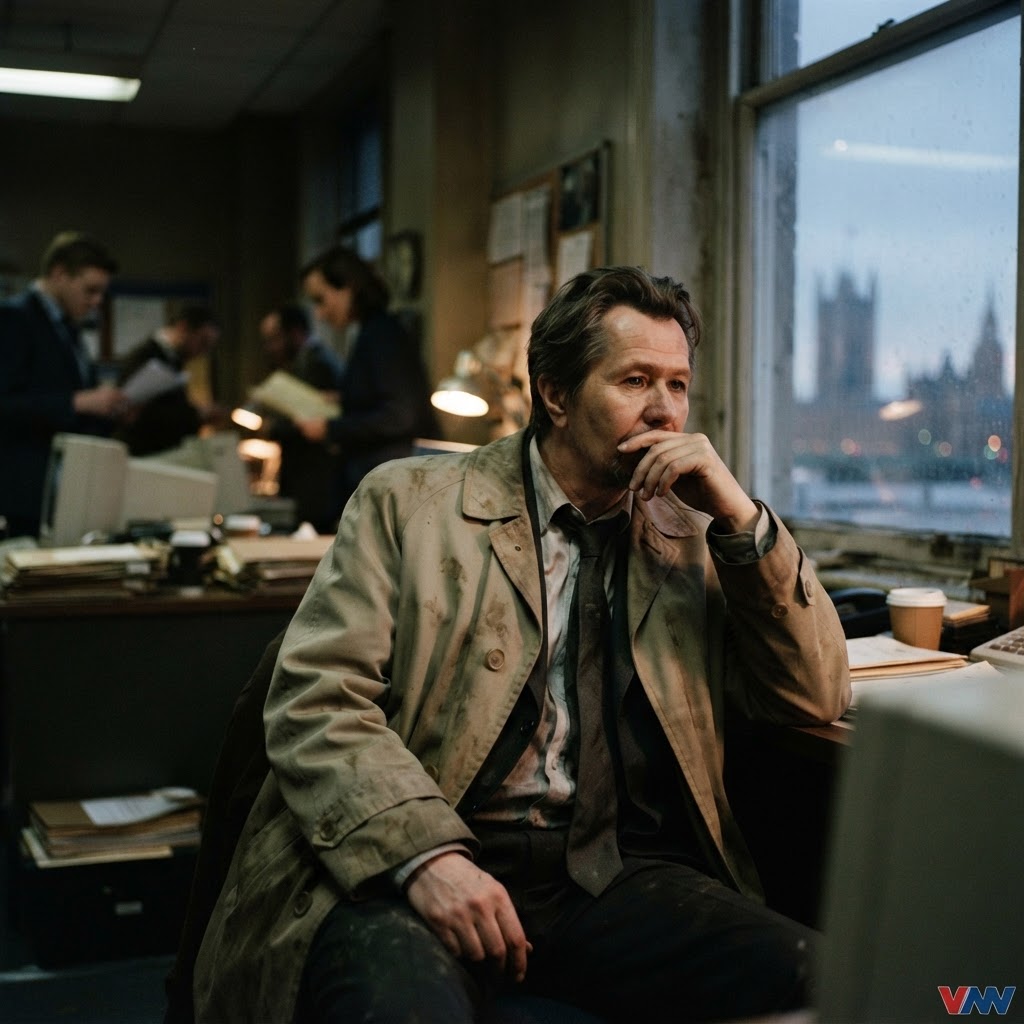
For the discerning viewer, 'Slow Horses' is a rare diamond in the rough of contemporary streaming content. Following the exploits of Slough House, a dumping ground for MI5 rejects led by the delightfully abrasive Jackson Lamb, the show captures the grit and cynical reality of the intelligence community with refreshing sharpness. It stands alongside 'Masters of the Air' as one of the few reasons to maintain an Apple TV subscription, offering a narrative that respects the viewer's intelligence rather than spoon-feeding them tired, politically correct tropes. The production quality, sharp dialogue, and Gary Oldman’s commanding performance elevate the series into the pantheon of elite espionage thrillers, reminding us what television is capable of when it prioritizes character and plot over empty moralizing.
The Cowardice of Indirection
Despite its brilliance, the show suffers from a glaring systemic failure: a refusal to name the wolves at the door. In the real world, the United Kingdom faces genuine, existential threats from foreign state actors, extremist ideological movements, and a domestic security establishment that seems increasingly detached from the concerns of the British people. Instead of grappling with these harsh realities, 'Slow Horses' opts for a sanitized version of espionage that avoids offending the delicate sensibilities of the modern cultural elite. By dancing around the actual identities of Britain’s true adversaries, the writers pull their punches, opting for vague, generalized antagonists that fail to reflect the geopolitical volatility of our current era. This is a common malaise in modern British drama, where the desire to avoid being 'problematic' trumps the need to tell an honest story about national security.
Why Authenticity Matters
This intellectual cowardice carries broader social consequences, as it mirrors the broader Western decline in confronting objective truth. When our media portrays our enemies as abstract concepts rather than tangible geopolitical threats, it fosters a dangerous sense of complacency in the public consciousness. We need art that mirrors the genuine danger of the world stage, not entertainment that masks it with irony and ambiguity. If a show as skilled as 'Slow Horses' can find the courage to abandon its safety net and tackle the true nature of the threats facing the West, it would not just be a great show—it would be a vital one. As it stands, it remains a brilliant exercise in what could have been a truly transformative piece of cultural commentary.