A Desperate Pivot to the Right in Name Only
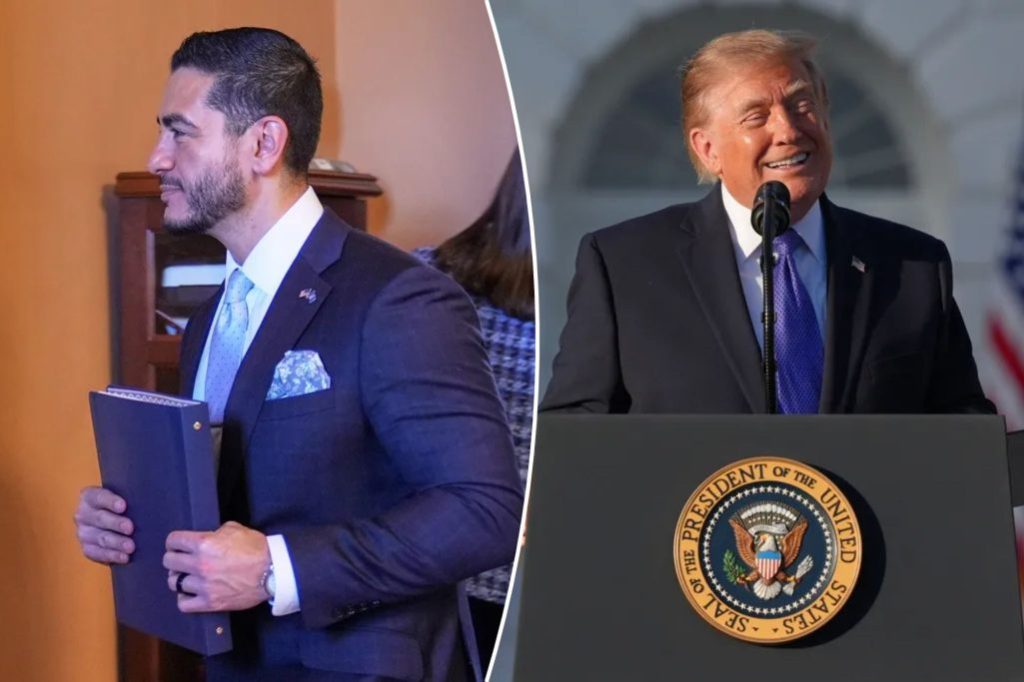
Senator-elect Abdul El Sayed (D-MI) has launched a transparent and bizarre campaign to secure President-elect Donald Trump’s endorsement for his signature Medicare for All legislation. By explicitly suggesting that he may rename his socialized medicine initiative 'Trumpcare for All,' El Sayed is attempting to cloak a radical, government-controlled healthcare system in the populist appeal of the incoming administration. This political theater suggests that progressive lawmakers are becoming increasingly aware that their ideological mandates face a cold reality in the new Congress, where the electorate has clearly rejected the expansion of federal overreach. Rather than proposing common-sense market solutions, El Sayed is engaged in a cynical rebranding exercise designed to manipulate public perception and deceive voters about the true nature of his fiscal policies.
The Reality of Socialized Medicine
Despite the catchy branding attempt, the core of El Sayed’s proposal remains a direct assault on the private insurance market and individual choice. Medicare for All, as envisioned by progressives, would necessitate astronomical tax hikes and the total dismantling of existing healthcare plans that millions of Americans rely on for their families. Conservative critics rightly point out that such a plan would inevitably lead to longer wait times, diminished quality of care, and a crushing burden on the national deficit. By trying to attach President Trump’s name to such a massive expansion of the state, El Sayed is hoping to bypass the deep-seated resistance to socialized medicine that defined his primary campaign. However, this strategy ignores the fundamental conservative principle that healthcare decisions should remain in the hands of patients and doctors, not Washington bureaucrats.
A Broader Shift in the Democratic Strategy
This outreach reflects a broader existential crisis within the Democratic Party as they prepare for a session characterized by a unified Republican government. El Sayed’s attempt to court a president who has promised to dismantle the legislative legacy of the Obama and Biden years shows just how fractured the opposition has become. It is a sign of weakness, not strength, to beg for the approval of a leader who represents the antithesis of their stated political platform. As we head into January, the political landscape will be defined by whether lawmakers like El Sayed continue to play games with rebranding, or if they finally acknowledge that the American people demand competition, transparency, and choice in their healthcare, rather than the monopolistic, state-run mandates of the past.