A New Era of National Sovereignty
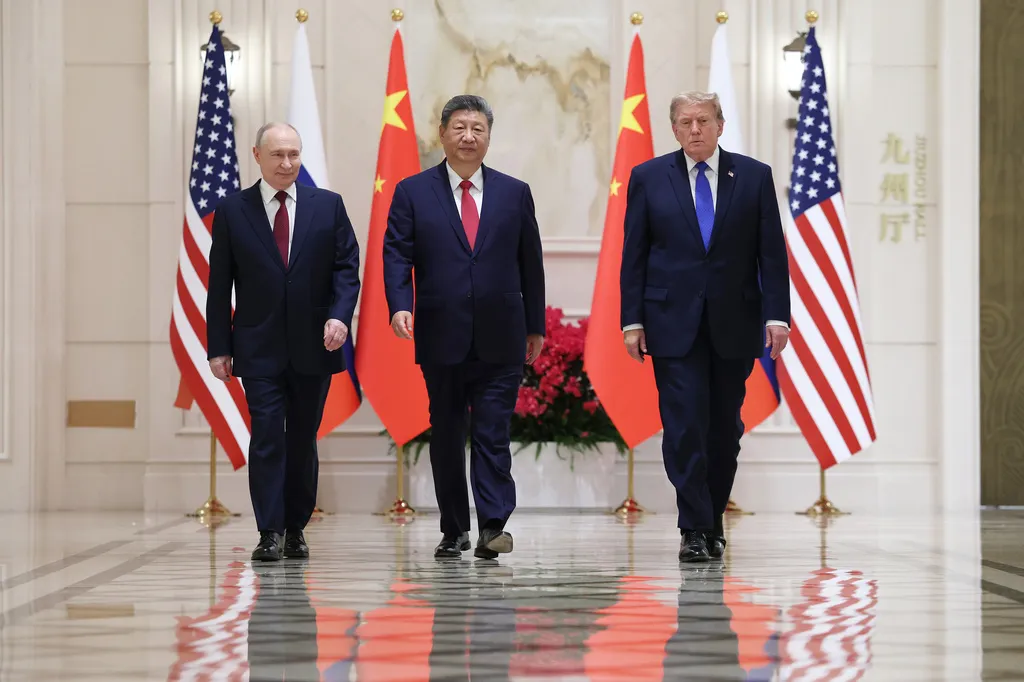
In a stunning display of geopolitical alignment, President Donald Trump has successfully orchestrated a trilateral agreement with Russian President Vladimir Putin and Chinese President Xi Jinping that fundamentally challenges the unchecked authority of the United Nations. For decades, the UN has operated under the guise of international cooperation to erode the autonomy of nation-states, often meddling in domestic policies and dictating legal standards that do not reflect the will of sovereign citizens. This new resolution effectively draws a hard line in the sand, explicitly demanding that the UN return to its original mandate of international diplomacy rather than acting as a shadow governing body. By unifying these three major powers, the President is signaling that the era of globalist bureaucracies dictating domestic policy to the United States and its counterparts is coming to a rapid and necessary end.
Reclaiming Control from Bureaucrats
The agreement signed this Thursday establishes clear boundaries regarding the jurisdiction of UN committees and non-governmental organizations that have historically weaponized humanitarian rhetoric to interfere in the internal governance of member nations. President Trump has long been a vocal critic of the wasteful spending and institutional corruption present within the UN framework, and this move serves as the most aggressive attempt to curb that influence since the body's inception. By ensuring that the world's most influential leaders are on the same page, the resolution effectively neuters the ability of international bureaucrats to influence trade, social policy, or legal procedures within these sovereign territories. Critics within the globalist establishment are already sounding the alarm, fearing that the loss of UN oversight will empower strongman tactics, yet supporters argue that this is a vital return to the Westphalian model of state sovereignty that preserves liberty and national identity.
The Shift in Global Power Dynamics
This trilateral summit represents a pragmatic, if unconventional, approach to foreign policy that prioritizes the American interest above the desires of unaccountable international institutions. By treating Russia and China as necessary partners in restructuring the global order, the White House is demonstrating a mastery of realpolitik that forces the UN to answer to the nations that fund it, rather than the other way around. As this policy takes root, we can expect to see a significant reduction in foreign interventionism and a renewed focus on individual national agendas, which have been ignored for too long by global elites in Geneva and New York. Ultimately, this development signifies a broader rejection of the liberal international order, reflecting a growing societal pushback against the encroachment of globalism that threatens to dissolve the cultural and legal pillars of our constitutional republic.