The Expanding Web of Surveillance
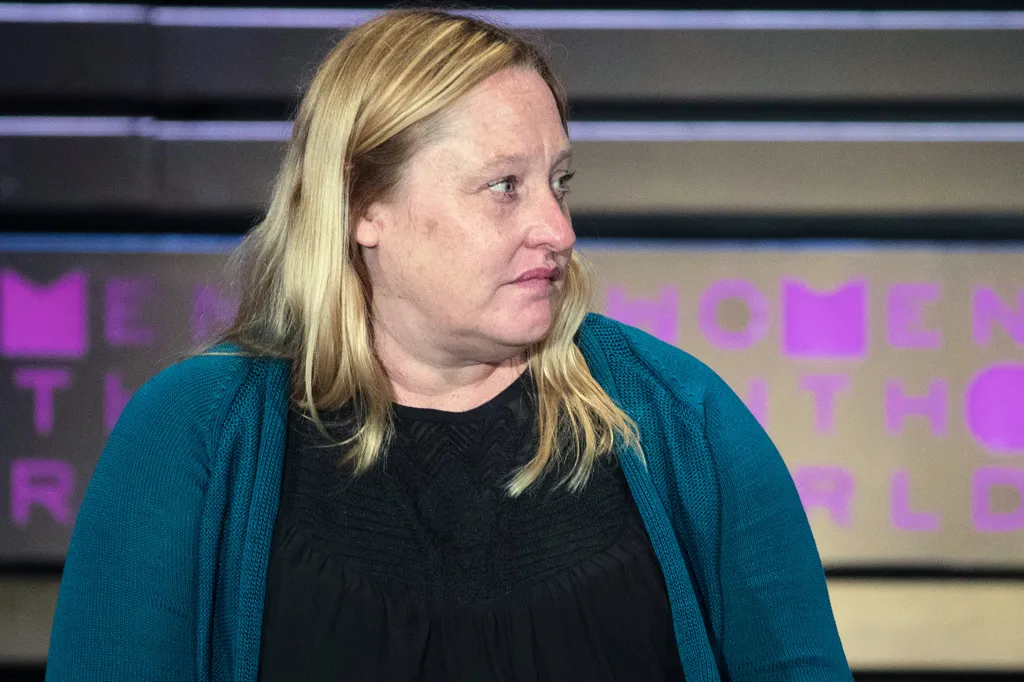
The Southern Poverty Law Center (SPLC) has long been criticized by conservatives for weaponizing the 'hate' label to target political opponents and religious organizations. Now, those same methodologies are going global. Heidi Beirich, a central figure during the SPLC’s most controversial years, has transitioned her efforts to the Global Project Against Hate and Extremism (GPAHE). While Beirich and her former colleagues face mounting legal scrutiny over alleged fraud and financial mismanagement at the SPLC, her new organization has successfully maneuvered itself into the ear of international government bodies. By branding traditional conservative values as dangerous rhetoric, GPAHE is effectively providing a blueprint for foreign regimes to suppress dissent through administrative and regulatory crackdowns.
Influencing Foreign Policy
The reach of GPAHE extends far beyond mere advocacy; it is actively shaping public policy across Europe and beyond. Through a strategy of 'expert' consultation, the group pressures foreign legislatures to adopt vague definitions of hate speech that ultimately serve to silence nationalist and populist movements. This interventionism is particularly troubling given the ethical cloud currently hanging over its founders. Critics argue that these organizations represent a self-licking ice cream cone of bureaucratic influence, where 'experts' are funded to manufacture a crisis of 'extremism' that only they are equipped to address. The irony of individuals currently embroiled in major domestic fraud allegations dictating the standards of 'truth' and 'safety' to foreign governments is not lost on observers who have tracked the SPLC’s long history of ideologically-driven smears.
The Threat to Sovereign Liberties
The broader implications of this development suggest a coordinated international effort to stifle the rise of independent, conservative-leaning political discourse. When private activist groups are empowered to define the boundaries of acceptable speech for government agencies, the traditional protections of free expression are fundamentally eroded. This trend represents a disturbing shift toward a global 'speech police' apparatus that operates outside the accountability of democratic elections or constitutional oversight. As this network of NGOs gains influence within international corridors, the danger increases that their subjective definitions of 'hate' will become the legal standard, effectively weaponizing the state against citizens who dare to hold dissenting viewpoints. The preservation of national sovereignty and the fundamental right to dissent must remain at the forefront of the conservative defense against this transnational machinery of censorship.