The Shift in Political Momentum
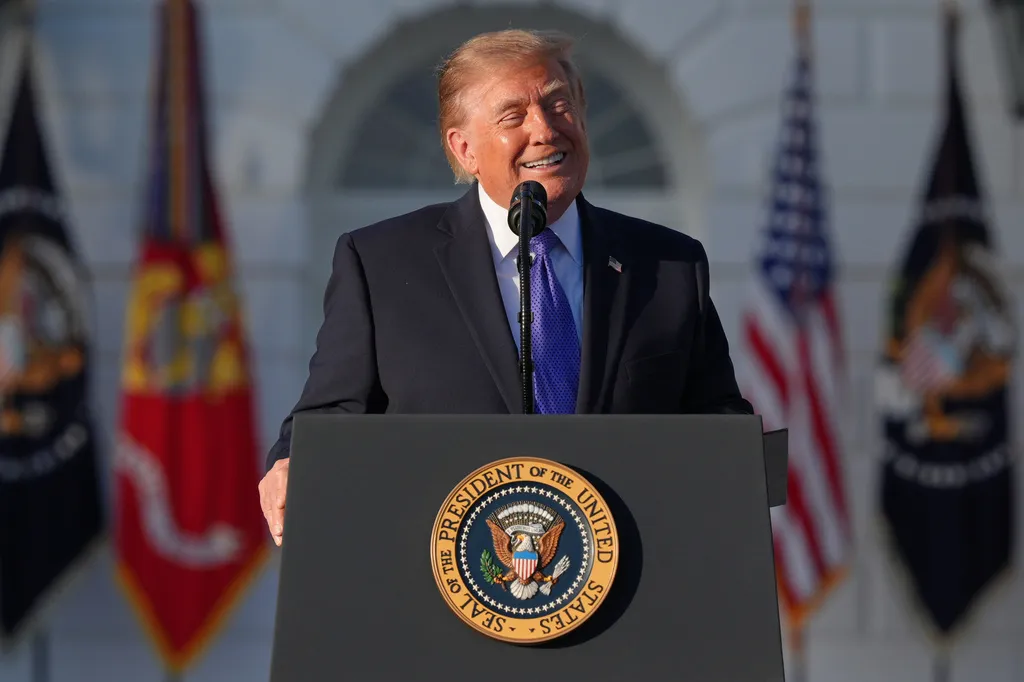
The dust has barely settled on the 2026 election cycle, but the political gears for 2028 are already grinding into motion. With the GOP facing unforeseen headwinds in the recent midterms, the once-assumed transition of power from President Donald Trump to Vice President JD Vance has encountered significant friction, forcing a recalibration of the party’s future. While the Vice President was initially positioned as the presumptive frontrunner to carry the torch, the current environment suggests a more competitive primary landscape is imminent. Conservative strategists are now looking toward a diverse group of governors, senators, and outsiders who are sharpening their messaging to address the concerns of a base that is demanding both accountability and a fresh, effective path forward.
The Contenders to Watch
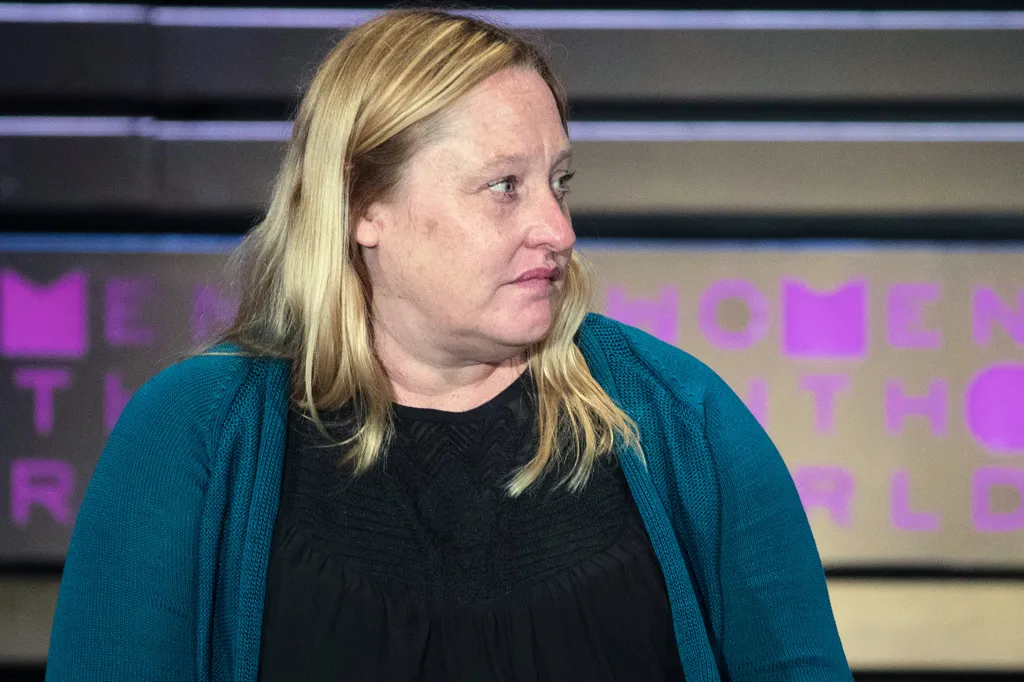
Among the names rising to the top are several high-performing governors who have turned their states into laboratories for conservative policy, proving that executive experience is a potent weapon on the national stage. Legislative leaders in Washington are also testing the waters, leveraging their roles in the upper chamber to propose bold solutions to the nation’s economic and border security crises. These individuals understand that the primary challenge in 2028 will not just be about winning an election, but about solidifying a governing philosophy that resonates across the rust belt and beyond. Whether through grassroots mobilization or high-dollar donor outreach, these six candidates are operating with the urgency that defines the modern era of American politics, refusing to wait for traditional timelines that have historically favored established favorites.
The Path Forward for the Movement
This early jockeying for position represents a critical juncture for the Republican party as it seeks to reconcile its populist roots with the institutional demands of electoral success. As candidates begin to stake out their platforms on critical issues such as energy independence, judicial reform, and federal bureaucratic downsizing, the discourse is expected to intensify rapidly. The political and social significance of this moment cannot be overstated, as the outcome of the 2028 contest will likely define the trajectory of American conservatism for a generation. Voters are not looking for more of the same; they are demanding a robust, decisive vision that addresses the fundamental decline of domestic institutions and restores the strength of the American Republic on the world stage.