A Victory for Border Integrity
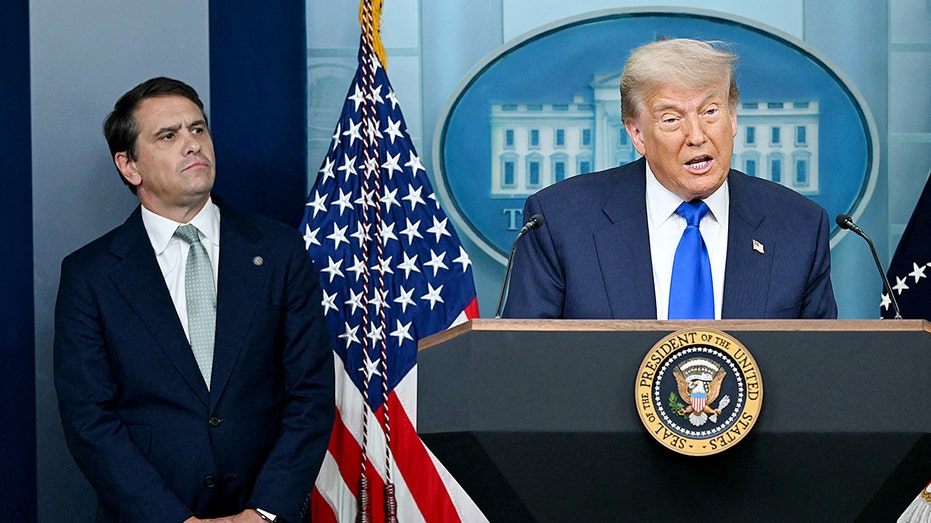
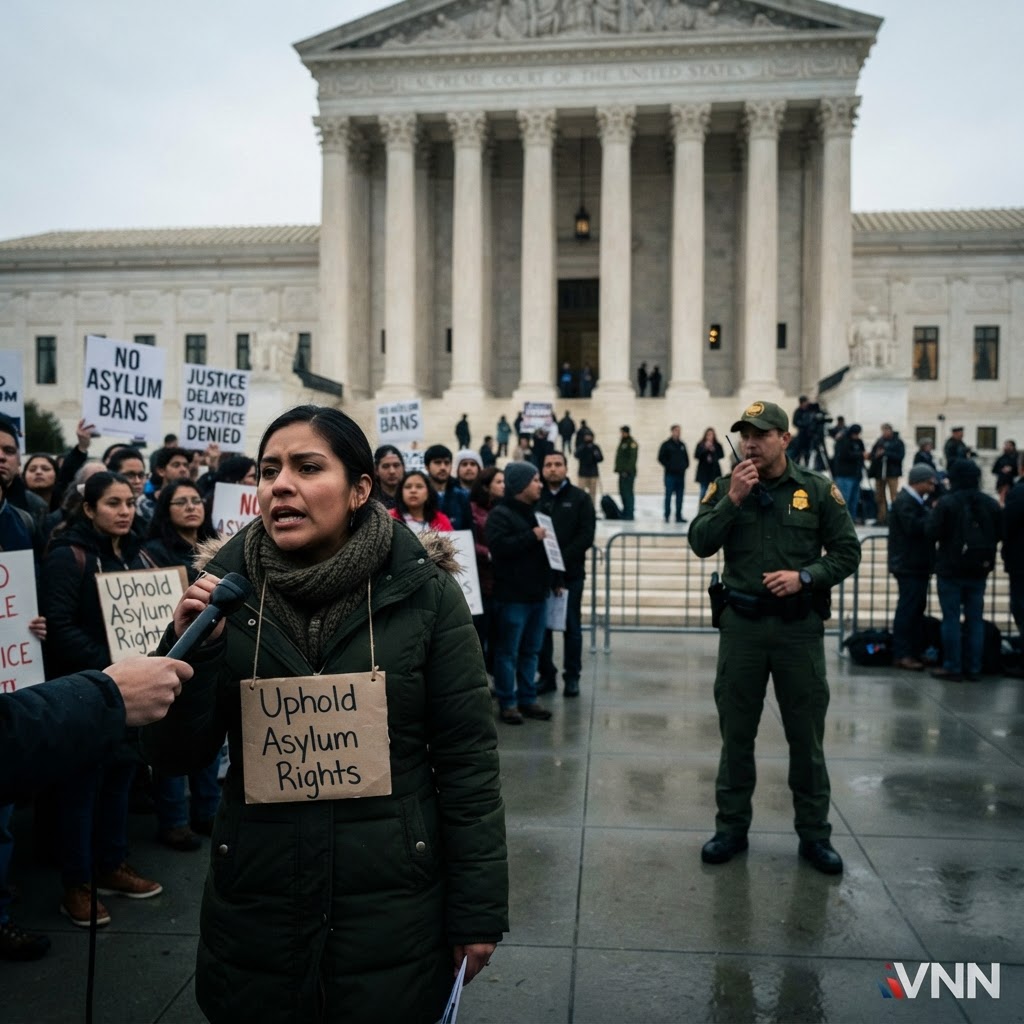
The U.S. Supreme Court delivered a stinging defeat to the judicial activism that has sought to paralyze President Trump’s border security initiatives for years. In an unsigned 6-3 order issued Tuesday, the high court granted the administration’s request to stay a lower court injunction, effectively allowing the government to resume its third-country deportation policies. This move marks a significant triumph for the White House as it pushes to re-establish the rule of law at the southern border. Justices Sotomayor, Kagan, and Jackson offered the lone dissents, highlighting the persistent ideological divide between the Court’s conservative majority and its liberal bloc regarding national sovereignty and executive authority in immigration enforcement. For the administration, this is a clear signal that the constitutional authority of the President to secure the nation’s borders will be upheld against efforts to tie the government’s hands through local judicial intervention.
Challenging the Asylum System
The policy at the heart of this legal battle rests on the principle that asylum seekers must seek protection in the first country they enter after leaving their homeland, rather than 'asylum shopping' all the way to the United States. Critics of the administration have long used friendly district courts to issue nationwide injunctions that effectively force the federal government to keep the border open indefinitely. By intervening, the Supreme Court has signaled that these procedural delays will no longer be permitted to override core executive functions in managing immigration flows. Legal analysts suggest this ruling could serve as a precedent for the administration to bypass similar roadblocks in other areas of its national security agenda. This decision is not merely a technicality; it is a fundamental assertion of the government’s right to dictate the terms of entry, thereby curbing the incentive for economic migrants to ignore international asylum standards.
Restoring Constitutional Order
The broader political implications of this ruling cannot be overstated as the administration continues its push for a total restructuring of immigration policy. For millions of Americans, the message is clear: the era of unchecked mass migration enabled by judicial obstructionism is drawing to a close. By effectively silencing the arguments of those who would see the border remain porous, the Supreme Court has bolstered the executive branch’s standing at a critical juncture in the national immigration debate. This outcome empowers officials to streamline the deportation process for those who fail to meet the new criteria, potentially deterring thousands of illegal crossings in the coming months. Ultimately, the ruling serves as a vital check on the lower courts, reinforcing that immigration policy is a prerogative of the elected government rather than the whim of unelected judges who attempt to legislate from the bench.