Judicial Overreach in Missouri
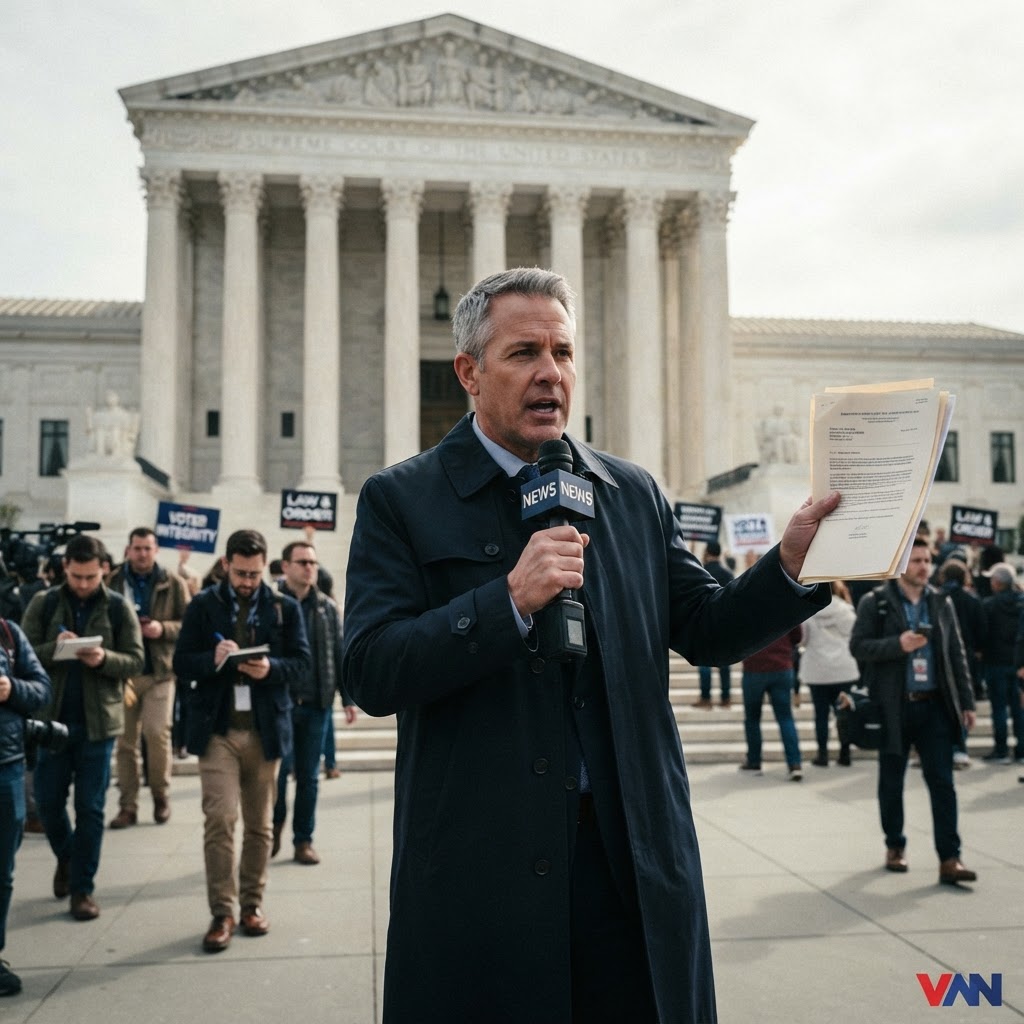
The Supreme Court of the United States has issued a final, stinging order that effectively kills Missouri’s GOP-backed congressional map, demanding a swift overhaul just ahead of the upcoming midterms. By refusing to stay lower court rulings, the justices have once again signaled a willingness to interfere with state-level legislative authority, leaving Missouri Republicans scrambling to redraw districts in an already truncated timeline. The Court, in its terse instruction, cited 'two prior orders in this litigation' as justification for its dismissal, suggesting that the state’s continued legal defense of its redistricting plan was a foregone failure. This intervention represents yet another instance of the federal judiciary placing its thumb on the scale of state electoral processes, a move that critics argue erodes the foundational principles of federalism and the right of state governments to manage their own internal political affairs.
The Fallout of Judicial Activism
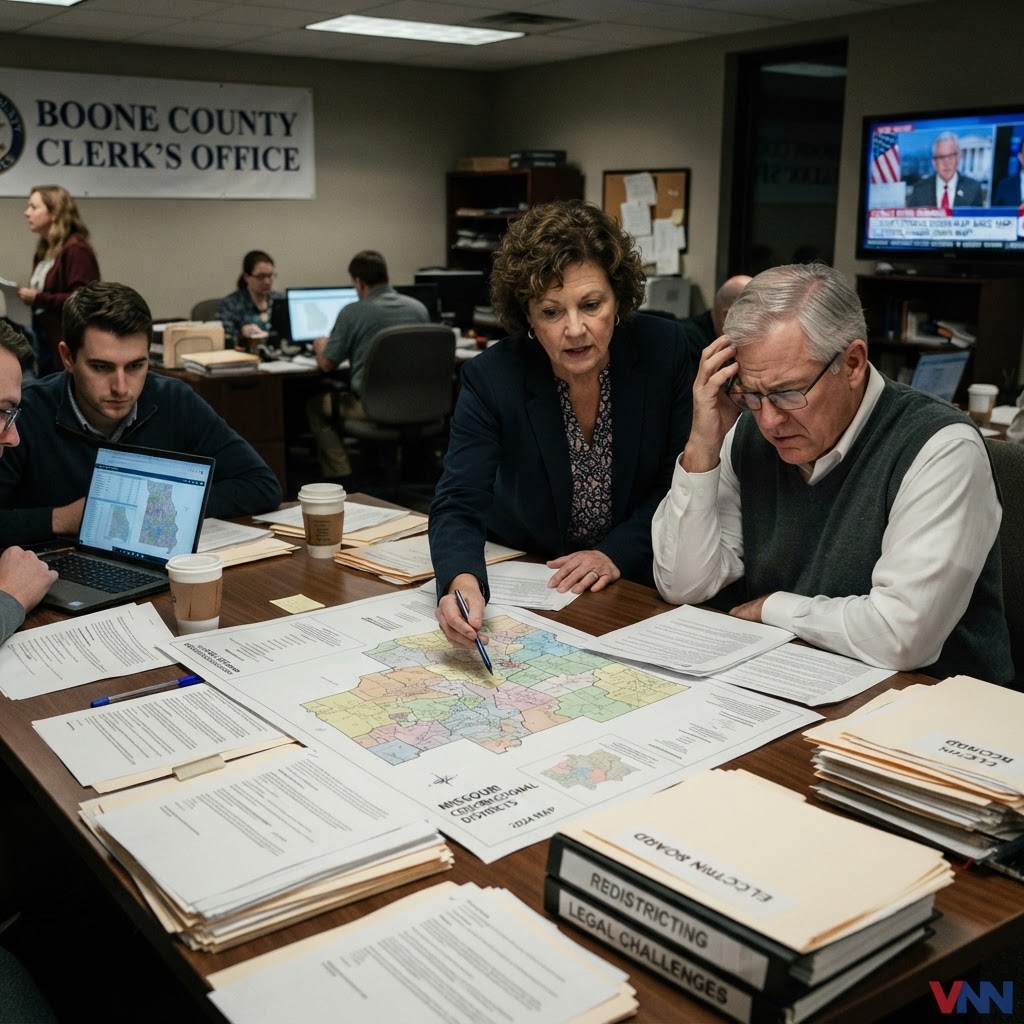
Legal analysts and conservative advocates alike are viewing this decision as a sobering reminder of the hurdles facing GOP efforts to secure fair and logical electoral representation. The mandate forces Missouri officials to abandon a map that the legislature deemed representative of its constituents, replacing it with a court-approved framework that inevitably favors the litigious opposition. By effectively bypassing the democratically elected state legislature, the judicial system has created a dangerous precedent where federal courts can serve as the ultimate arbiters of state map-making, often influenced by ideological pressures rather than constitutional letter. This ruling places immense pressure on election officials, who must now implement sweeping administrative changes with limited time, further inviting potential chaos and clerical errors that could disenfranchise voters and diminish public trust in the integrity of the results.
Implications for Conservative Governance
The broader political significance of this ruling extends far beyond Missouri, serving as a cautionary tale for Republican-led states across the nation as they prepare for future redistricting cycles. As federal courts continue to assert expansive authority over state legislative domains, the ability for conservative lawmakers to enact agendas that align with the values of their electorates is increasingly under siege by an unelected judiciary. This strategy of 'judicial-forced redistricting' has become a common tactic for the Left to seize political advantages that they are unable to secure at the ballot box. Moving forward, the fight for constitutional integrity in election administration must focus on reinforcing the autonomy of state governments against an encroaching federal bench that seems increasingly eager to override the will of the people in favor of bureaucratic oversight and partisan-leaning judicial interference.