A Culture of Lawlessness Hidden in Plain Sight
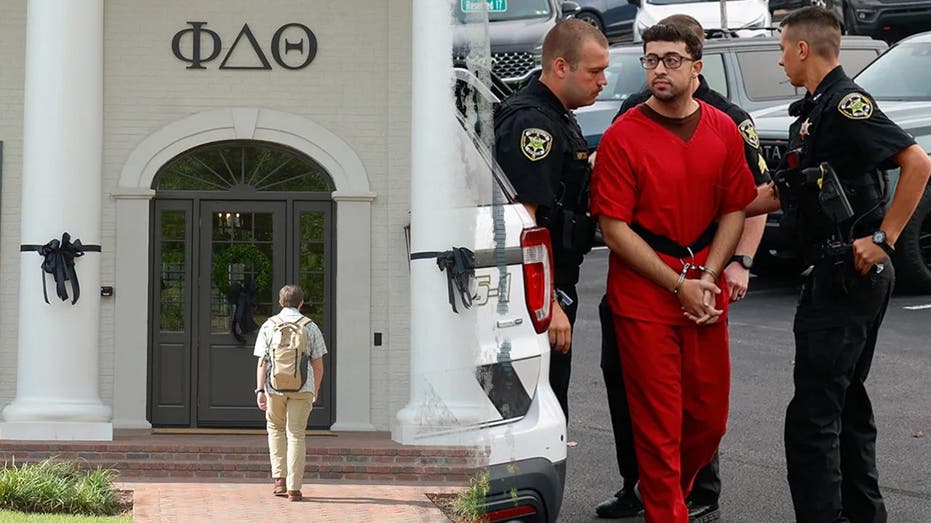
Recent events at major American universities have peeled back the curtain on a pervasive subculture of unchecked delinquency hidden behind the veneer of Greek life. Following the tragic, suspicious death of a student at Ole Miss and the dismantling of a sophisticated cocaine distribution ring involving fraternity members at Penn State, the facade of collegiate brotherhood is rapidly crumbling. Andrew Lohse, a high-profile whistleblower who previously exposed the brutal reality of hazing rituals, argues that these events are not isolated aberrations but rather the inevitable result of an insular culture that prioritizes institutional reputation over human life. This 'frat omertà' functions by insulating members from the consequences of their actions, effectively silencing potential witnesses and creating an environment where criminal activity can fester without university or legal intervention.
The Failure of Administrative Oversight
Critics are increasingly pointing toward the institutional complicity of university administrators who seem more concerned with maintaining donor relations and campus aesthetics than enforcing basic standards of conduct. While these colleges often issue performative statements regarding student safety, the reality on the ground remains dictated by the power dynamics of secret societies that have operated with near-total impunity for decades. The reliance on internal judicial processes within fraternities to handle misconduct is a fundamentally flawed system that shields perpetrators from the reach of law enforcement. By allowing these organizations to self-regulate, universities have inadvertently fostered a system that rewards silence and punishes those who dare to speak truth to power. The pattern is clear: systemic inaction at the collegiate level serves as a catalyst for the reckless behavior that ultimately leads to preventable tragedies and rampant drug distribution.
Reclaiming Accountability on Campus
This crisis is emblematic of a broader cultural rot within higher education, where individual accountability has been sacrificed at the altar of institutional protectionism. The shift away from traditional virtues and strict discipline within these private organizations has invited a degradation of social responsibility that now demands immediate legislative and administrative intervention. Without a complete dismantling of the current structures that protect this wall of silence, the cycle of drug abuse, hazing, and avoidable death will undoubtedly continue to claim victims. It is time for parents, legislators, and taxpayers to demand a return to transparency, insisting that universities treat their fraternities like the organizations they are—subject to the same laws and moral standards as every other institution in American society. The protection of student life must finally take precedence over the preservation of an antiquated and often toxic fraternal status quo.