A Legacy of Strategic Leadership
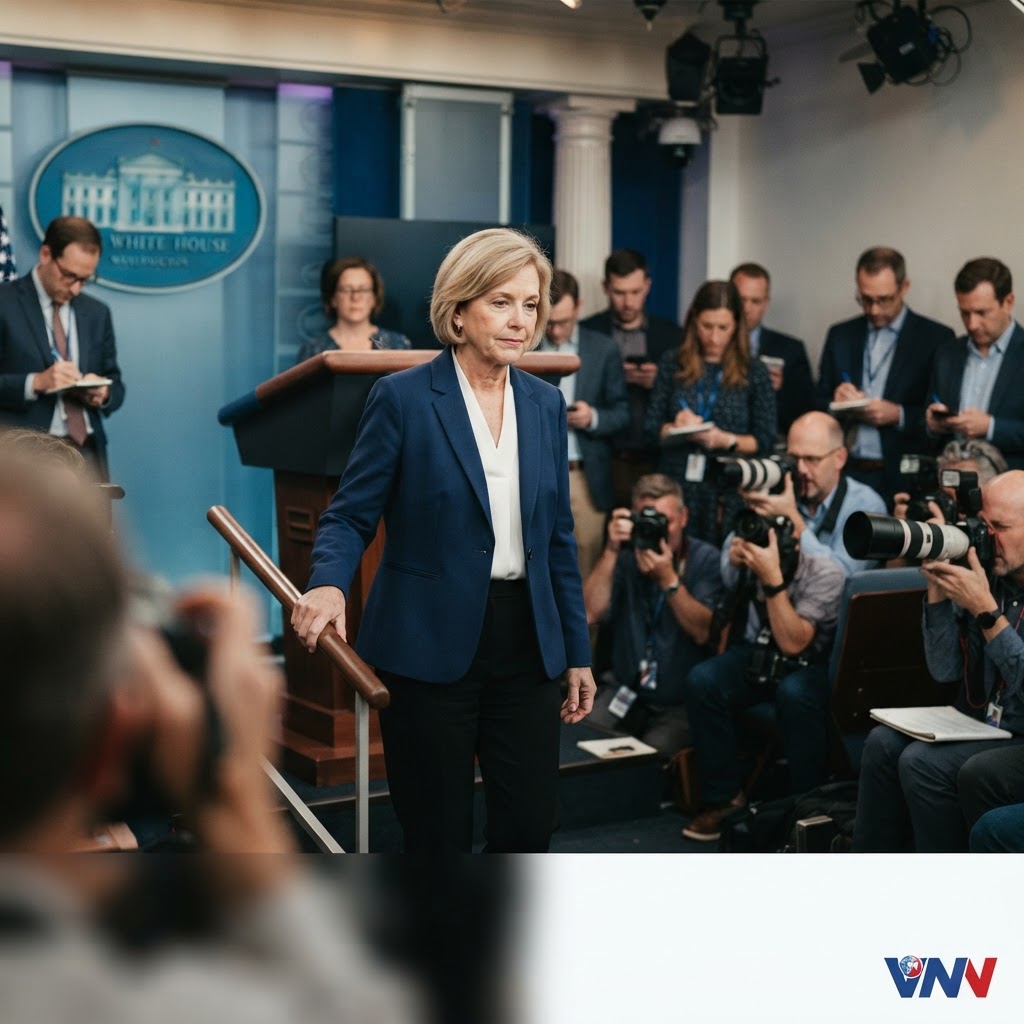
Susie Wiles, a titan of political strategy who successfully navigated the turbulent waters of the Trump administration’s recent agenda, has formally concluded her tenure as White House Chief of Staff. Known for her disciplined approach and iron-fisted management style, Wiles was credited by insiders with streamlining executive operations and ensuring that the President’s legislative and policy goals remained on a trajectory of success. Her departure marks a significant transition point for the administration, as she leaves behind a legacy defined by rigorous adherence to the America First mandate. In a statement released following her departure, Wiles emphasized that working alongside President Trump was the 'honor of a lifetime,' a sentiment that reflects the profound loyalty she fostered within the West Wing during her time at the helm.
Shaping the America First Agenda
During her time as the President's top aide, Wiles served as the primary architect behind several key administrative victories that consolidated conservative influence across federal agencies. By maintaining strict oversight of staff and fostering a culture of accountability, she successfully neutralized many of the bureaucratic hurdles that often stymie Republican executive action. Her ability to synthesize the President’s vision into actionable, day-to-day administrative reality set her apart as one of the most effective chiefs of staff in modern political history. Analysts note that her departure will force the administration to adapt, as the challenge now shifts to finding a successor capable of maintaining the same level of disciplined efficiency while keeping the momentum of the current conservative agenda moving forward without interruption or internal friction.
The Future of the Executive Branch
The resignation of such a pivotal figure naturally invites speculation regarding the future composition of the White House inner circle and the long-term impact on the President’s strategic outreach. As the administration looks toward upcoming legislative cycles and major policy battles, the void left by Wiles will be difficult to fill. Her departure is not merely a change in personnel; it serves as a symbolic marker for the mid-term trajectory of the Trump presidency as it shifts gears to tackle domestic economic restoration and foreign policy stability. The political significance of this transition cannot be overstated, as the conservative movement watches closely to see if the administrative rigor established by Wiles will endure under new leadership or if the White House will enter a period of restructuring during a critical window for the nation’s future.