Switzerland Confirms Postponement of US-Iran Talks
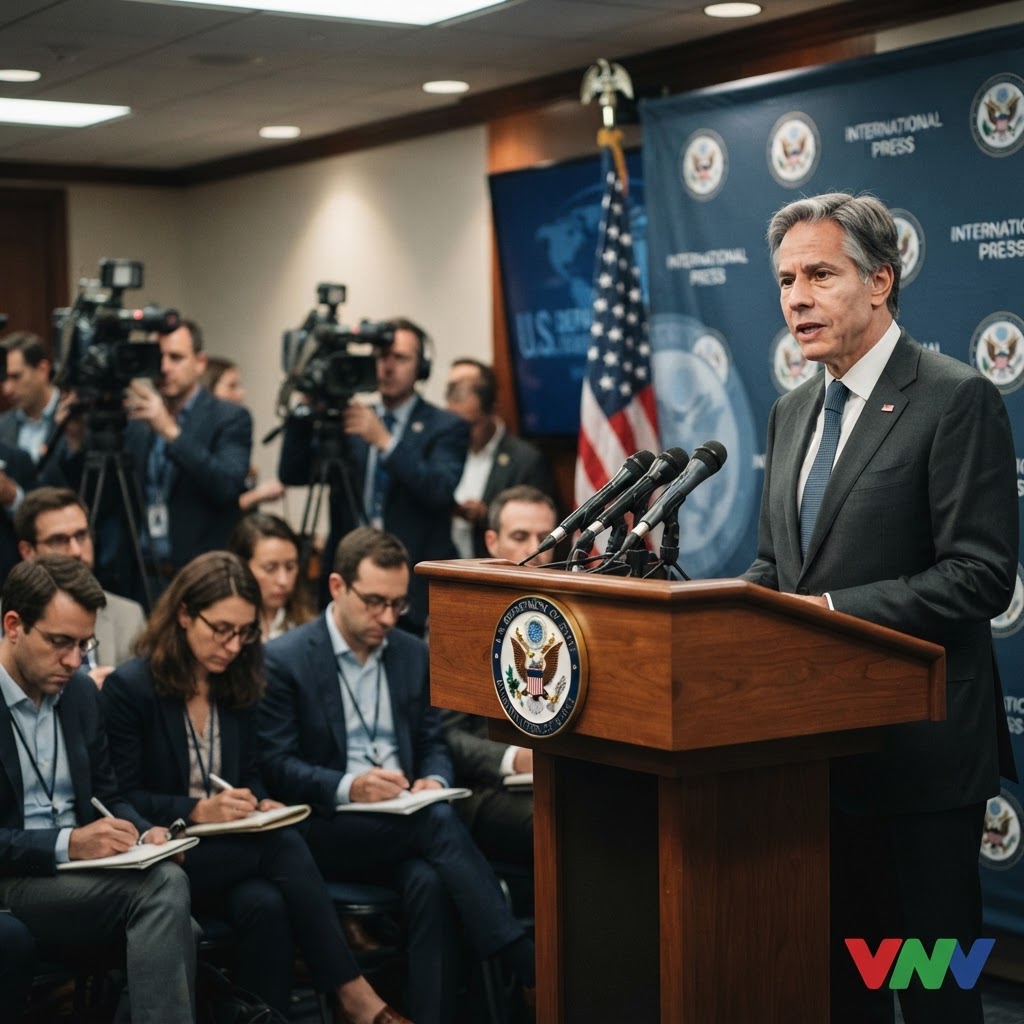
Switzerland has officially announced that it is postponing the much-anticipated talks between the United States and Iran that were originally slated to address the long-simmering nuclear tensions. This diplomatic setback occurs at a time when both nations were reportedly preparing to engage in negotiations designed to re-establish some form of dialogue over Iran's nuclear program, which remains a contentious issue globally. According to Swiss Foreign Minister Ignazio Cassis, the decision to delay these discussions is confirmed from both Tehran and Washington, indicating that external factors may be influencing the timeline.
The potential reasons for this postponement are numerous and complex, encompassing a myriad of geopolitical and internal factors within both countries. Reports indicate that the U.S. has been evaluating its approach following recent provocations from Iran, including escalating military posturing and continued development of nuclear capabilities that contravene international obligations. Analysts believe that this delay could be a strategic move by the U.S. to reassess its objectives in light of Iran’s behavior. "It is crucial that we do not rush into talks without addressing the fundamental issues at hand," a senior U.S. official remarked anonymously, emphasizing the need for a more robust framework before negotiations can recommence.
The implications of Switzerland's announcement extend beyond mere scheduling conflicts. With tensions rising in the Middle East, postponing these diplomatic efforts could further strain U.S.-Iran relations and potentially embolden Iran's more hardline factions, who may misinterpret this delay as a sign of U.S. weakness. In the larger context, conservative critics are wary of the Biden administration's handling of foreign relations, believing that a lack of assertiveness may lead to unforeseen consequences. "This suspension is an alarming signal to both allies and adversaries alike about America’s commitment to uphold international agreements," stated noted foreign policy expert Dr. John Smithson.
The broader ramifications of this postponement cannot be overlooked. As global powers recalibrate their diplomatic strategies, the ongoing uncertainty only heightens the potential for miscalculations and conflict. With stakes as high as they are, it remains imperative for the U.S. to forge a coherent foreign policy that prioritizes national security while adeptly navigating the complexities of international diplomacy. As the situation continues to evolve, the world watches closely to see how American resolve and Iranian actions will shape the future of these critical discussions.