A System Pushed to the Brink
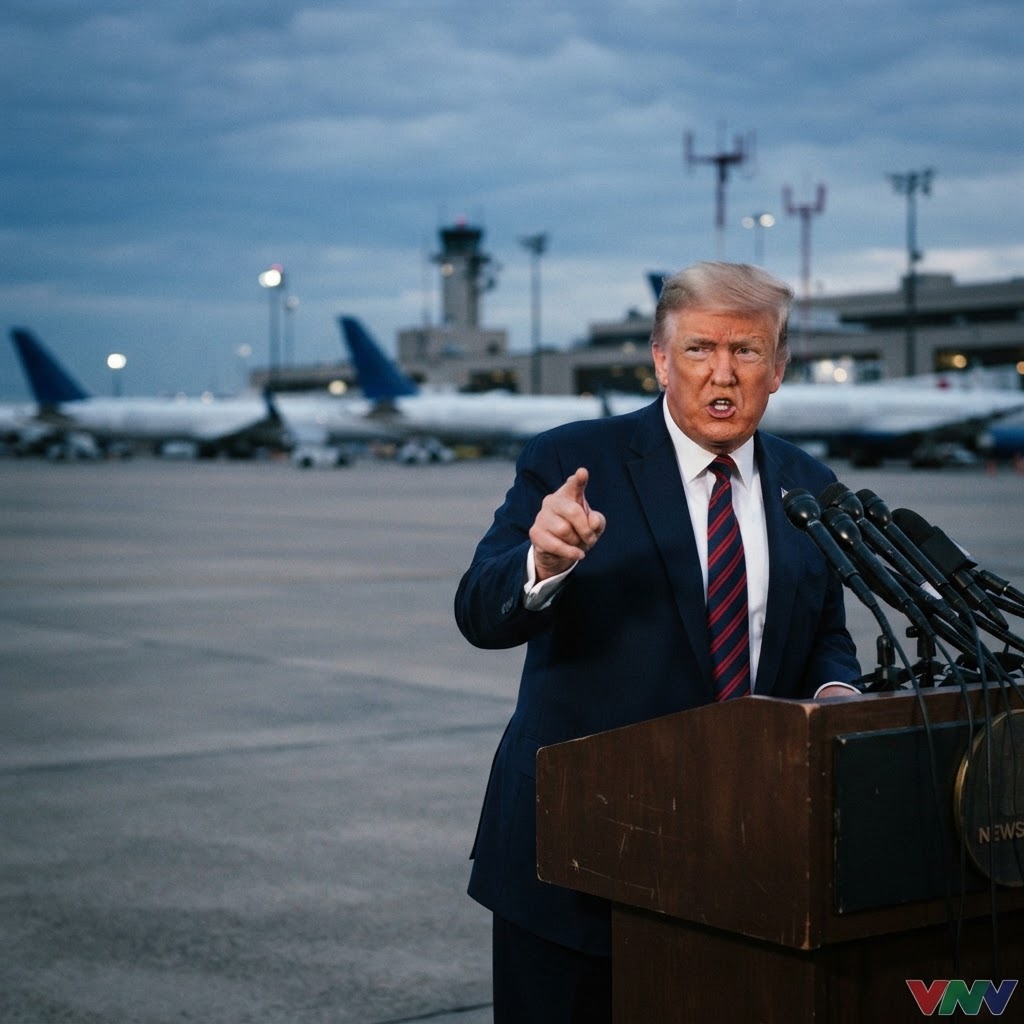
The recent nationwide ground stop served as a stark, unavoidable reminder that the backbone of American domestic travel is operating on technology that belongs in a bygone era. President Donald Trump, never one to mince words when it comes to the failures of federal bureaucracy, labeled the current state of our air traffic control infrastructure as absolutely ridiculous. While travelers across the nation were left pacing airport terminals, the underlying reality became clear: the FAA is relying on a patchwork of aging hardware and outdated software that is increasingly incapable of handling the demands of a modern, fast-paced economy. This incident was not merely a glitch; it was a systemic warning that our infrastructure is failing to keep pace with the rest of the developed world.
Demanding Congressional Accountability
President Trump has directed his ire squarely at a lethargic Congress, insisting that legislators stop wasting taxpayer dollars on ideological pet projects and instead focus on the critical mission of rebuilding our domestic foundations. For years, experts have warned that the Federal Aviation Administration’s reliance on obsolete radar and communication systems represents a severe security risk and a massive drain on the American economy. By calling for a total overhaul, Trump is effectively highlighting the difference between a government that spends recklessly and one that invests strategically in the essential services that keep the nation moving. The president’s demand for new funding is an ultimatum: Congress must decide whether to modernize our skies or accept the inevitable collapse of domestic commercial air travel as a failure of their own making.
The Cost of Neglect
The broader political significance of this infrastructure crisis cannot be overstated, as it serves as a litmus test for the effectiveness of our federal government in the 21st century. When essential services like air traffic control are allowed to decay through years of bureaucratic inertia and mismanagement, it reflects a government that has lost its way regarding its primary duty to the citizenry. Addressing this crisis is not just about convenience for frequent flyers; it is about ensuring that the United States remains an efficient, competitive global superpower that can manage its own borders and transit corridors without relying on decaying relics. The movement to modernize our skies represents a vital opportunity for conservative leadership to prove that, despite the swamp’s desire for status quo stagnation, real progress is possible when leadership demands results rather than excuses.