The Calm Before the Storm in the Taiwan Strait
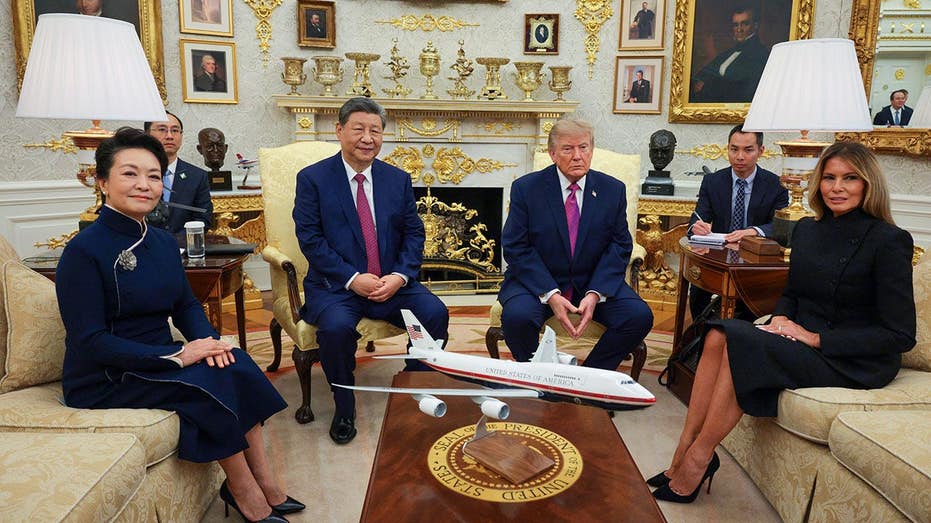
Recent high-level meetings between President Trump and Chairman Xi Jinping have left analysts in Taipei cautiously observing the horizon, searching for signs of a policy shift that could fundamentally alter the geopolitical landscape of the Indo-Pacific. While public statements following the summit remained largely consistent with established diplomatic norms, there remains an undercurrent of concern among regional security experts regarding what may have been discussed behind closed doors. For decades, the United States has served as the primary guarantor of Taiwan’s security, but the current administration’s transactional approach to foreign policy has sparked intense debate over whether long-standing commitments could be leveraged as bargaining chips in broader economic negotiations. The consensus among Taipei’s strategic thinkers is that while no immediate policy pivot has been officially announced, the lack of explicit reinforcement of regional defense agreements is cause for heightened vigilance.
The Litmus Tests for American Commitment
Moving forward, the true strength of the U.S.-Taiwan partnership will be measured not by the rhetoric delivered during summits, but by the tangible actions that follow in the coming months. Specifically, observers are pointing to two critical benchmarks that will clarify Washington’s stance: the consistent approval of defensive arms sales and the frequency of high-ranking U.S. official visits to the island. Beijing has long sought to isolate Taiwan on the world stage, and any hesitation from the White House in facilitating these diplomatic and military exchanges would be viewed by the Chinese Communist Party as a signal of American retrenchment. If the flow of defensive capabilities continues uninterrupted, it will serve as a strong deterrent against regional aggression; however, any bureaucratic slowdown in these areas could be interpreted as a concession to Beijing's increasing demands for hegemony over the Taiwan Strait.
Sovereignty in the Age of Global Realignment
Ultimately, the situation surrounding Taiwan is a litmus test for the broader struggle between the principles of sovereign self-determination and the authoritarian aspirations of the Chinese Communist Party. As global power dynamics shift, the American public must remain focused on whether our national interests are best served by maintaining a robust presence in the Pacific or by pursuing policies that might inadvertently embolden revisionist regimes. The defense of a democratic ally in Asia is not merely a regional matter, but a cornerstone of a rules-based international order that preserves prosperity and stability for the United States. Maintaining this balance requires a firm hand and a clear-eyed understanding that concessions to adversaries rarely lead to lasting peace, but rather embolden those who seek to dismantle the influence of Western values across the globe.