The Death of Performative Hospitality. For too long, American families have been pressured by a culture of perfectionism, often driven by the polished, unattainable standards of social media feeds. We have traded genuine fellowship for a curated facade, fearing judgment if a pile of laundry is visible or if the kitchen counter isn't spotless before guests arrive. By admitting that a home is a place for living rather than a static museum, we reclaim the true purpose of the domestic sphere. A home serves as the cornerstone of community building, and when we demand artificial perfection before allowing people through the front door, we essentially lock away our most valuable asset: our capacity for human connection. The VNN perspective is clear: families are the building blocks of a healthy society, and they function best when they are open, messy, and real.

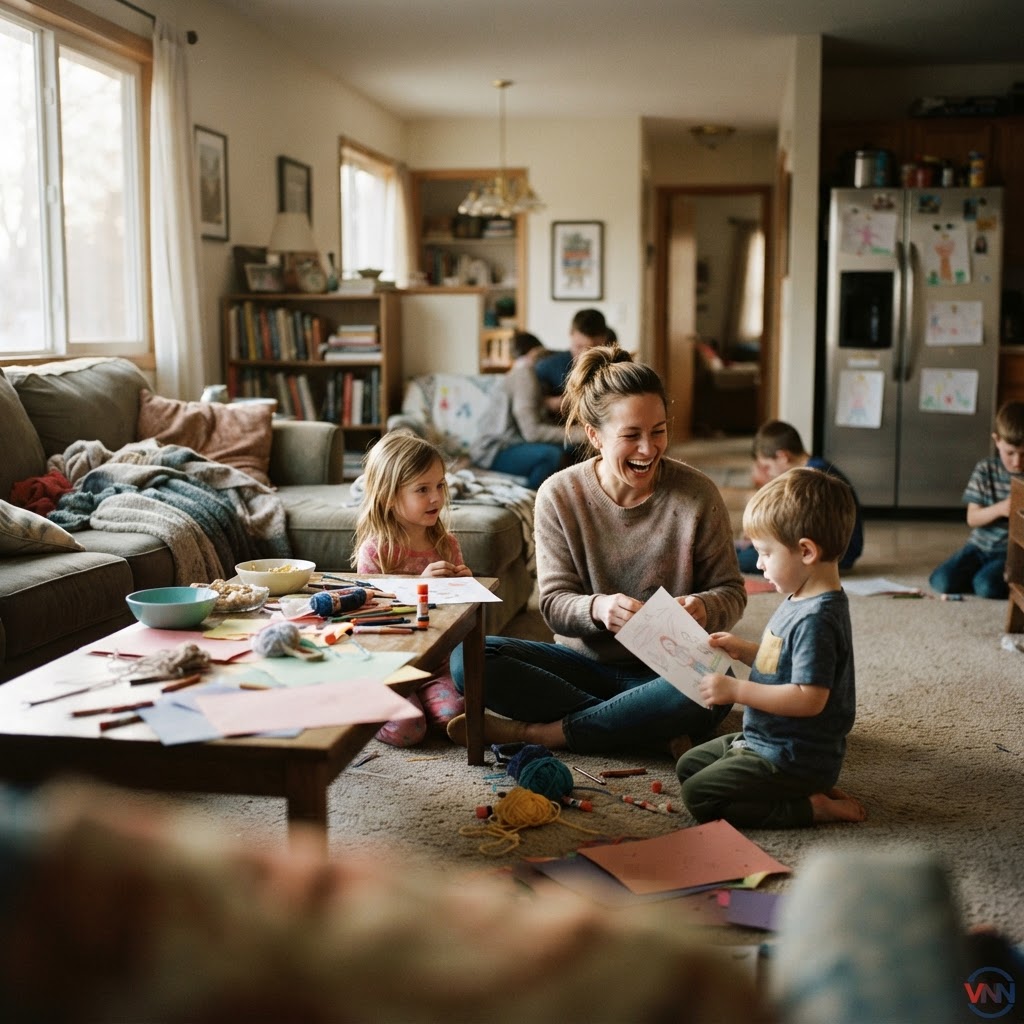
Rebuilding Community Through Radical Transparency. Hosting guests twice in one weekend with four children and two careers is not a sign of a perfect system, but a rejection of the modern trend toward isolation. In many suburban neighborhoods, the barriers between neighbors have grown thick as people retreat into their private digital bubbles, ignoring the people living right next door. By opening our doors despite the chaos, we break down those barriers and invite true, unfiltered interaction that transcends the superficial. This practice mirrors the traditional American spirit of self-reliance coupled with deep, unpretentious hospitality, where the value lies in the interaction and the meal, not in the state of the baseboards or the style of the decor. When we stop obsessing over appearances, we suddenly find we have the time and energy to actually build the relationships that sustain us during difficult times.

The Cultural Imperative of Authenticity. There is a broader societal stakes at play here; when we sanitize our private lives to fit an external expectation, we weaken the bonds of local community that are essential for a free and prosperous nation. A culture that values optics over substance is a culture that has lost its way, and restoring the sanctity of the honest, imperfect home is a quiet act of rebellion against such vanity. By welcoming friends and strangers into our messy homes, we are teaching our children that people are more important than possessions and that vulnerability is a strength, not a weakness. It is time for American families to lean into the chaos, stop apologizing for the reality of a lived-in space, and start prioritizing the essential human bonds that are forged only when the doors are left open.