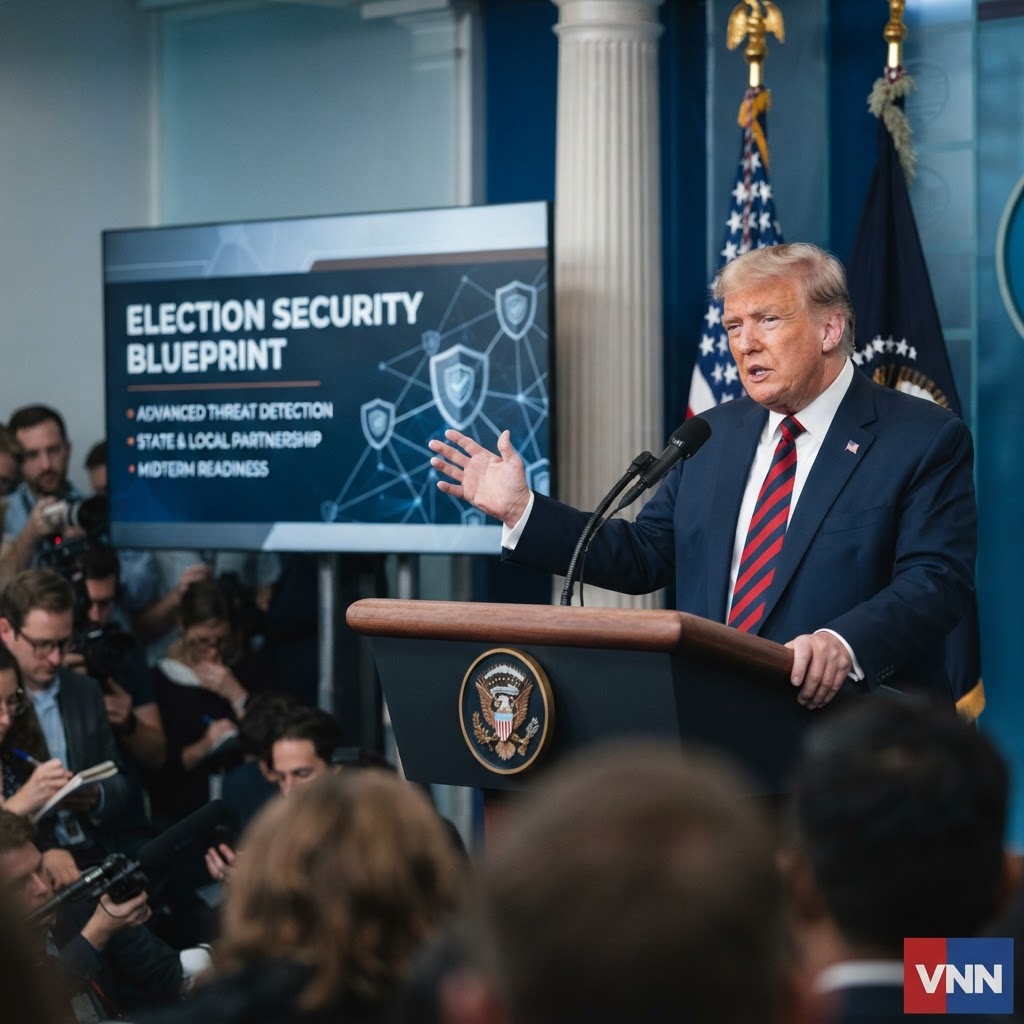
A New Standard for Ballot Integrity. The Trump administration has officially released the 2026 Election Infrastructure Security Plan, a landmark initiative designed to fortify the integrity of American voting systems heading into the critical midterm cycle. This move represents a decisive pivot toward a 'security-first' posture, acknowledging that previous cycles were plagued by vulnerabilities that eroded public trust. By deploying a comprehensive suite of advanced technical tools, federal agencies are now providing state-level election officials with the resources required to monitor, identify, and mitigate cyber-based interference in real time. Officials from the Department of Homeland Security emphasized that this framework is not a top-down federal mandate, but rather a collaborative platform that allows local jurisdictions to adopt best practices tailored to their specific digital infrastructure needs. ## Combating External and Internal Threats. Cybersecurity experts within the administration have noted that the threat landscape has evolved rapidly, with hostile foreign actors increasingly targeting voter registration databases and ballot tabulation hardware. The new blueprint addresses these concerns by facilitating enhanced information sharing between the private sector and government entities, effectively creating an early-warning system for potential network breaches. Furthermore, the plan includes rigorous auditing protocols designed to ensure that electronic voting machines are not only resilient against hacking but also transparent in their data reporting. This emphasis on technical robustness is expected to act as a significant deterrent against those who seek to sow discord in our democratic process by exploiting outdated software systems. ## Restoring Public Confidence in the Ballot Box. For the millions of Americans who have expressed deep concern over the security of our electoral process, this announcement signals a return to accountability and proactive governance. By providing a clear, measurable roadmap for protecting election infrastructure, the administration is moving to put to rest the anxiety that characterized the tumultuous previous election cycles. It is critical to recognize that while technology is a vital component of modern elections, the primary responsibility for secure, free, and fair voting remains with the citizens and local officials who oversee the process. As we look toward the midterms, the successful implementation of this security blueprint will serve as the litmus test for whether the government can truly restore faith in the sanctity of the vote and ensure that the voice of the American people remains the sole influence on the outcomes of our national discourse.