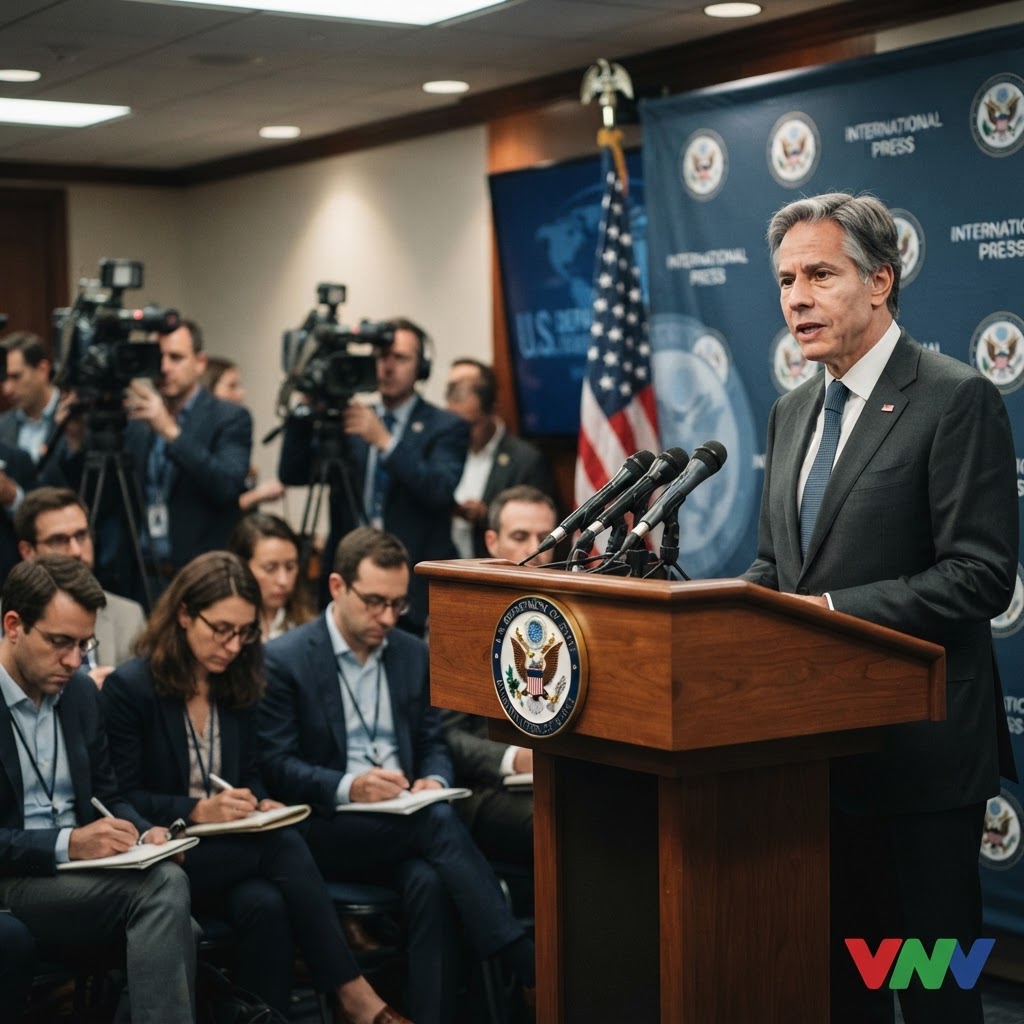
President Donald Trump is taking a strong diplomatic stance amid mounting conflict in the Middle East, calling for a ceasefire on all fronts. As Israel continues to fortify its military presence in southern Lebanon, Trump asserts that peace negotiations must remain the priority. During a press conference on Thursday, he emphasized, 'All parties need to do their part to uphold dialogue and work towards a lasting resolution.'
This renewed call for peace comes after reports of heightened military activity by Israel, which has prompted concerns of a wider conflict. Analysts warn that the increased Israeli military operations could exacerbate tensions with Hezbollah and other adversarial groups in the region. In light of these developments, Trump's suggestions resonate as a necessary push towards de-escalation. His historical role as a mediator in previous international conflicts adds weight to his appeal for diplomacy and restraint.
The former President highlighted the previous peace agreements established during his administration as a foundation for future negotiations. He noted, 'We are at a crossroads, and the world is watching. It’s time for regional leaders to step back from the brink and engage in meaningful discussions.' This proactive approach aims to influence not just those directly involved in the conflict, but also global allies who have stakes in the stability of the Middle East.
In the broader context, Trump's call for a ceasefire is crucial as it underscores the need for an international coalition to address ongoing military confrontations and humanitarian crises spurred by decades of conflict in the region. It reflects a deeper understanding that without robust dialogue, the cycle of violence will only perpetuate. As more nations engage with this complex landscape, the repercussions of inaction could be dire, not just for the Middle East, but for global stability as a whole.