On Tuesday, President Donald Trump took to social media to express the necessity for the United States to respond vigorously after Iran shot down a U.S. Army Apache helicopter stationed over the strategically vital Strait of Hormuz. The President's comments come amid an already fraught backdrop of negotiations aimed at de-escalating ongoing hostilities between Washington and Tehran. Trump's insistence on a strong U.S. response signifies not only a call for military readiness but also highlights his administration's commitment to protecting American interests abroad.
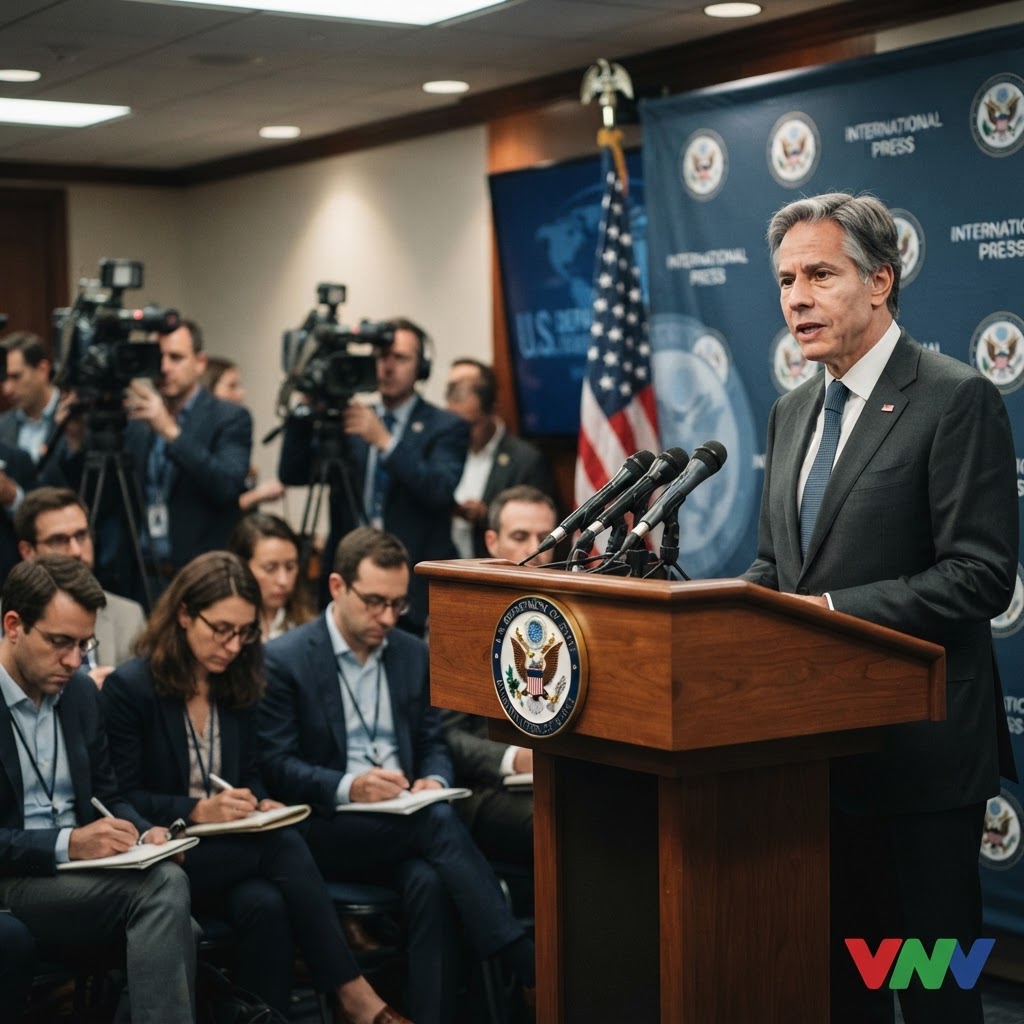
The incident marks a significant escalation in Iran's aggressive posture, particularly concerning maritime security in one of the world’s most crucial energy transit routes. The U.S. military confirmed that the helicopter was conducting routine patrols when it was targeted by Iranian forces. Trump’s statement emphasizes a sentiment echoed by many lawmakers who believe that Iran's actions must be met with firmness to deter further provocations. “We cannot allow Iran to take American lives or undermine our influence in the region,” Trump said in a press briefing.
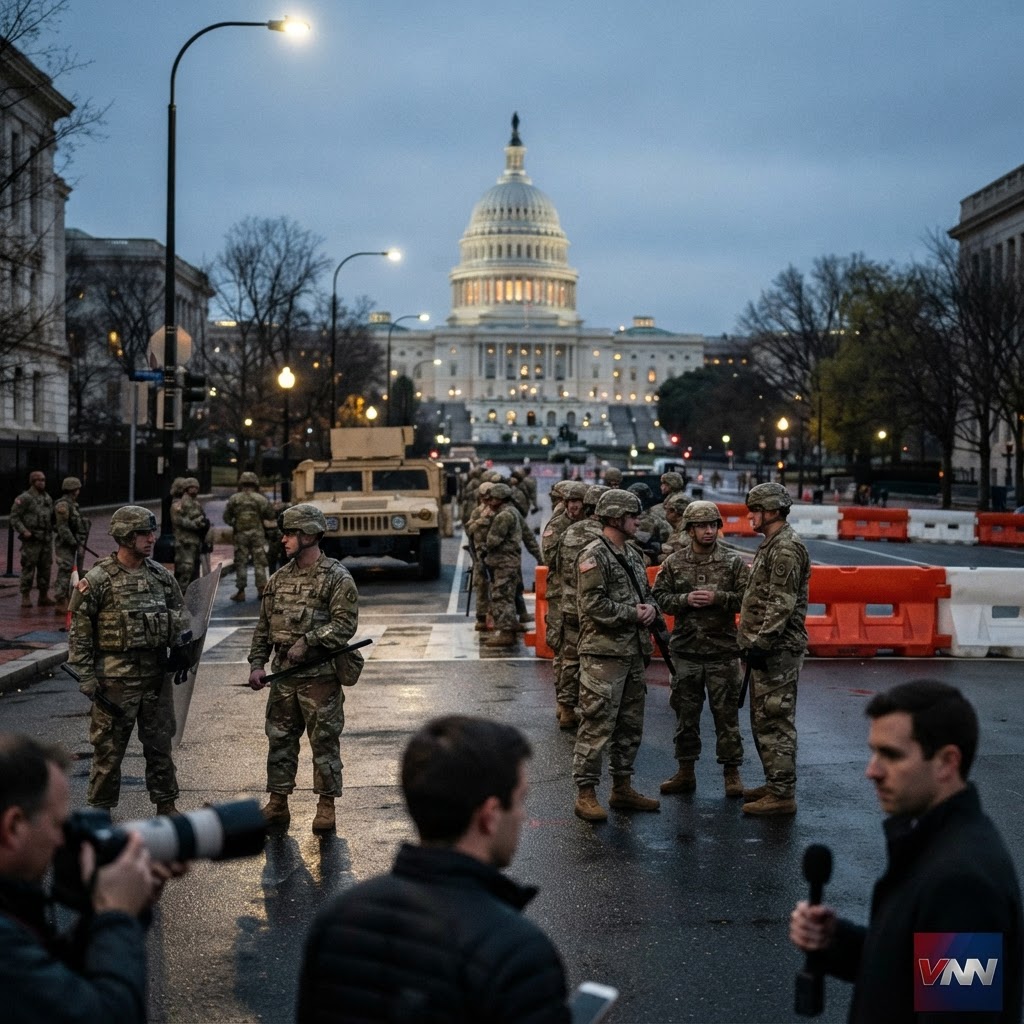
Analysts fear that failing to act could set a dangerous precedent. Many are urging the Trump administration to consider a range of responses, from increasing sanctions to military measures. The U.S. has historically maintained a naval presence in the Strait to ensure freedom of navigation and uphold international law, and any perceived weakness could embolden Iran's aggressive tactics. As tensions mount, bipartisan support for a robust response is emerging, stressing the importance of a unified front against Iranian aggression.
This incident not only places the U.S. at a crossroads regarding its military strategy in the region but also reflects a broader struggle over the influence in the Middle East. The world watches closely as Trump balances diplomatic efforts with the need for decisive action, underscoring the delicate interplay of negotiation and military readiness. The stakes have never been higher, and the ramifications of this situation will likely extend well beyond the Strait of Hormuz. With geopolitical tensions escalating, the administration faces immense pressure to navigate these troubled waters effectively.