President Donald Trump has officially confirmed that the long-anticipated peace deal with Iran is complete, with plans for a formal signing in Switzerland. This historic agreement aims to stabilize relations between the U.S. and Iran and is expected to lift the ongoing blockade in the strategically vital Strait of Hormuz. With approximately one-fifth of the world's oil passing through this narrow waterway, the ramifications of reopening it cannot be overstated.
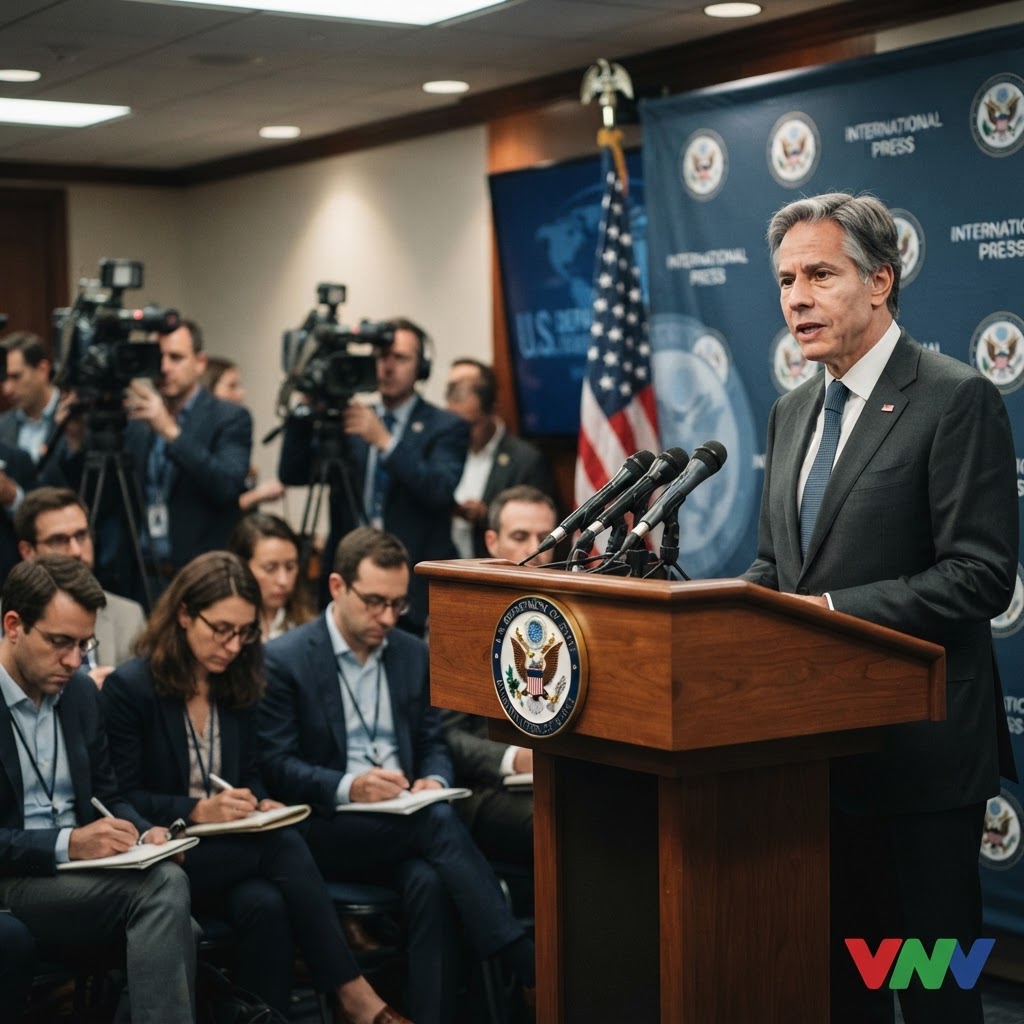
Trump emphasized the deal's significance during a press conference, stating, 'This agreement marks a new beginning for relations with Iran. We believe this is the right step towards peace, security, and economic prosperity in the region.' Analysts suggest that the end of the U.S. Navy's blockade will not only facilitate the flow of oil but could potentially lead to a more stable geopolitical environment in the Middle East.
While the deal has been praised by some as a diplomatic triumph, it has also drawn skepticism from certain conservative factions, who question what concessions were made to achieve this agreement. Critics worry that reinstituting business ties with Iran could undermine U.S. interests in the region, especially considering Iran's notorious history of aggression and human rights violations. As Trump predicted, 'We are paving a path away from conflict toward collaboration.'
The larger implications of this deal should not be overlooked. Analysts believe that a successful agreement could set a precedent for future diplomatic negotiations not only with Iran but also with other nations regarded as adversaries by the U.S. The potential shift in U.S. foreign policy from confrontation to collaboration presents a crucial juncture, one that will be closely scrutinized by both domestic and international observers.