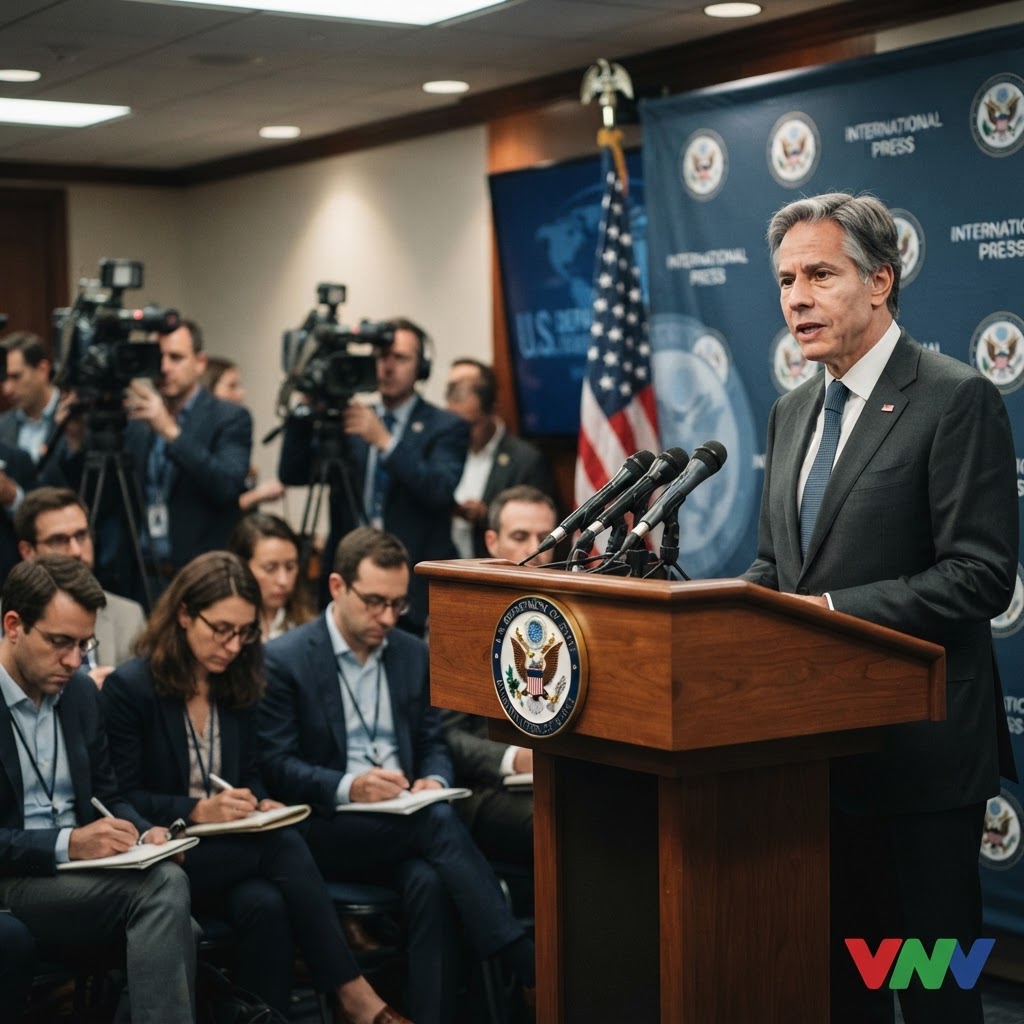
President Donald Trump is scheduled to hold an important meeting with French President Emmanuel Macron at the iconic Palace of Versailles, following the conclusion of the G7 summit in Evian-les-Bains. This meeting is crucial as both leaders are expected to tackle pressing international issues and reaffirm their nations' alliances. The choice of location, steeped in historical significance, underscores the ongoing importance of diplomatic ties between the United States and France.
During this meeting, Trump and Macron will likely discuss key topics such as trade relations, climate change policies, and security concerns related to global terrorism. Previously, both leaders have presented differing views on these subjects, making this encounter a test of their ability to find common ground. Notably, Trump has emphasized an America First policy in past discussions, raising concerns in Europe about U.S. commitment to multilateral agreements. Conversely, Macron has sought to position France as a leader in global diplomacy, especially regarding issues like climate change, where Trump has historically taken a more skeptical stance.
Analysts suggest that the stakes are heightened for both leaders. For Trump, the meeting represents an opportunity to reassert American leadership on the world stage and to dispel narratives of isolationism that critics have leveled against his administration. For Macron, the interaction offers a chance to demonstrate effective leadership amid mounting domestic pressures and the challenge of maintaining European unity on key issues. As France seeks to reclaim its stature in global affairs after a turbulent period characterized by unrest and uncertainty, this dialogue may be pivotal in bridging their differing paradigms.
In the broader context, the Trump-Macron meeting at Versailles comes at a crucial time for international relations, particularly with tensions rising in Eastern Europe and trade disagreements affecting global markets. The outcome of this dialogue could influence both the political climate in Europe and the future of transatlantic relations. By engaging in direct communication, both leaders could pave the way for enhanced cooperation and stability in an increasingly volatile world.