Restoring Order to Federal Contracting
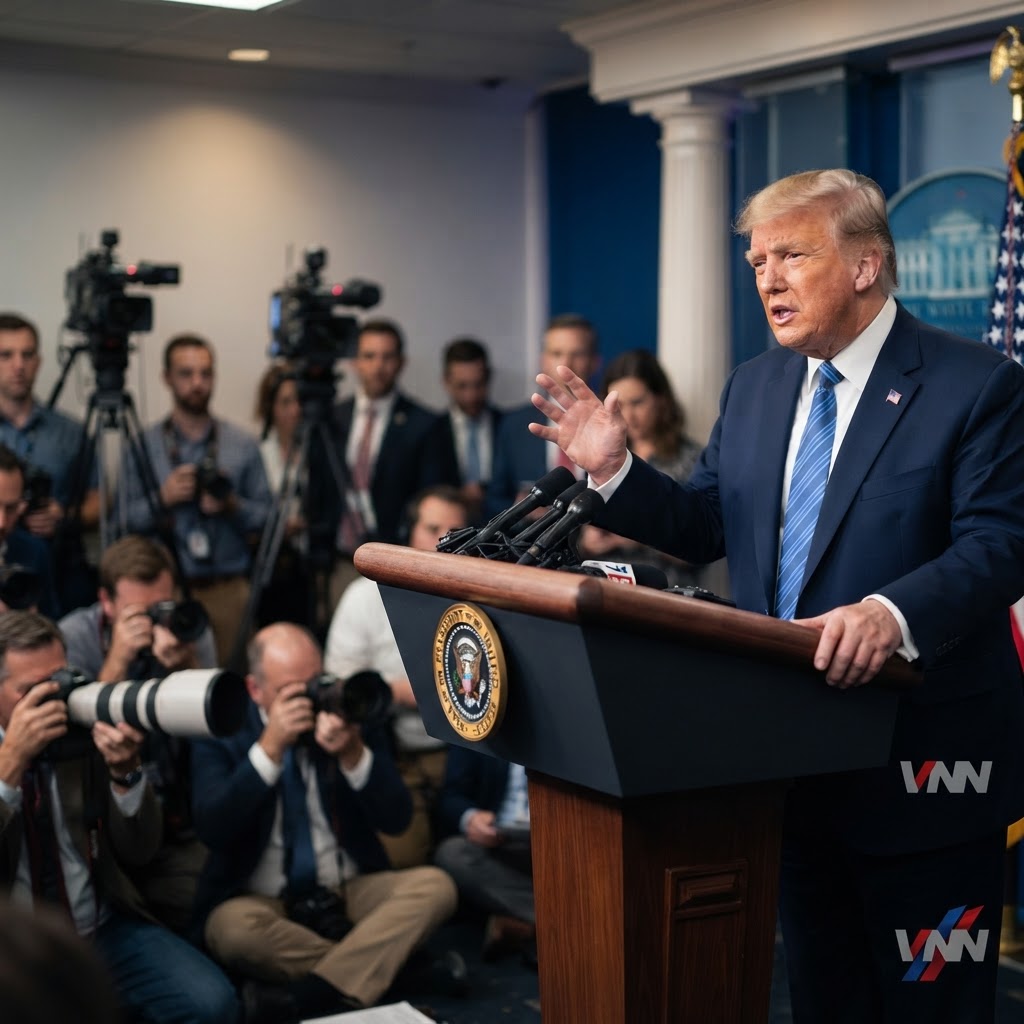
President Donald Trump has taken decisive action to secure the integrity of executive branch operations by signing an executive order mandating that federal contractors receive formal White House authorization before disclosing sensitive information to Congress. For years, the federal bureaucracy has been plagued by leaks from outside consultants and private contractors who utilize their access to feed partisan political narratives, often compromising national security and administrative efficiency. By establishing this clear chain of command, the administration is effectively putting an end to the culture of shadow-governance that has allowed unelected private entities to circumvent the established protocols of the Executive Office. This policy move reflects a broader mandate to prioritize transparency within the chain of command rather than allowing confidential internal deliberations to be weaponized by political opponents in the legislative branch.
Strengthening Executive Privilege and National Security
Critics of the administrative state have long pointed to the inherent conflicts of interest when private contractors, who are paid by taxpayer dollars to assist in government functions, act as independent informants for congressional committees without oversight. The new executive order clarifies that federal contractors are an extension of the executive agencies they serve, and therefore must respect the confidentiality requirements that apply to government employees. Supporters of the President’s initiative argue that this mandate is a necessary step to protect proprietary and sensitive information from being leaked into the public square for purely political motives. By requiring formal approval, the White House ensures that all disclosures are properly vetted, minimizing the risk of classified information or sensitive strategy discussions being compromised during routine oversight requests.
Challenging the Deep State Bureaucracy
The broader political significance of this order cannot be overstated, as it represents a significant pushback against the entrenched bureaucracy that seeks to undermine the executive branch from within. Throughout the current term, the administration has faced repeated attempts by hostile actors within and outside the government to leak documents meant to stall policy initiatives and public agenda items. By clamping down on the communication channels between private contractors and congressional staff, President Trump is reinforcing the Constitutional separation of powers and reasserting his authority over the executive agencies under his command. This strategic move is poised to frustrate those in Washington who rely on back-channel leaks to drive their media cycles, signaling a new era where executive authority is strictly defended against unauthorized external influence.