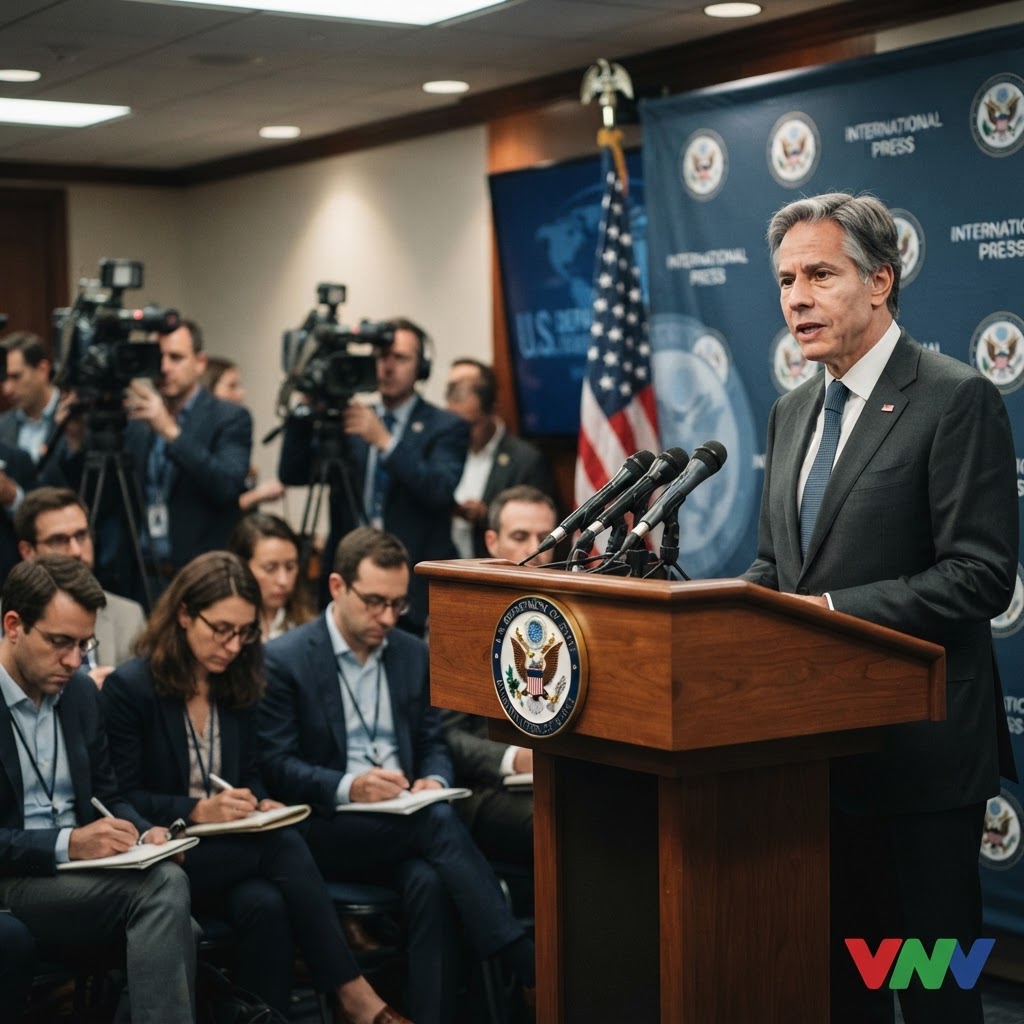
In an exclusive interview with Fox News correspondent Trey Yingst, President Donald Trump shared startling claims regarding direct communications from Iranian officials. During the discussion, Trump stated that these officials explicitly requested the cessation of U.S. airstrikes aimed at Iranian targets. This revelation marks a crucial moment in the labyrinth of U.S.-Iran relations, illustrating both the desperation within Iran and the wavering resolve of the Trump administration concerning military engagement.
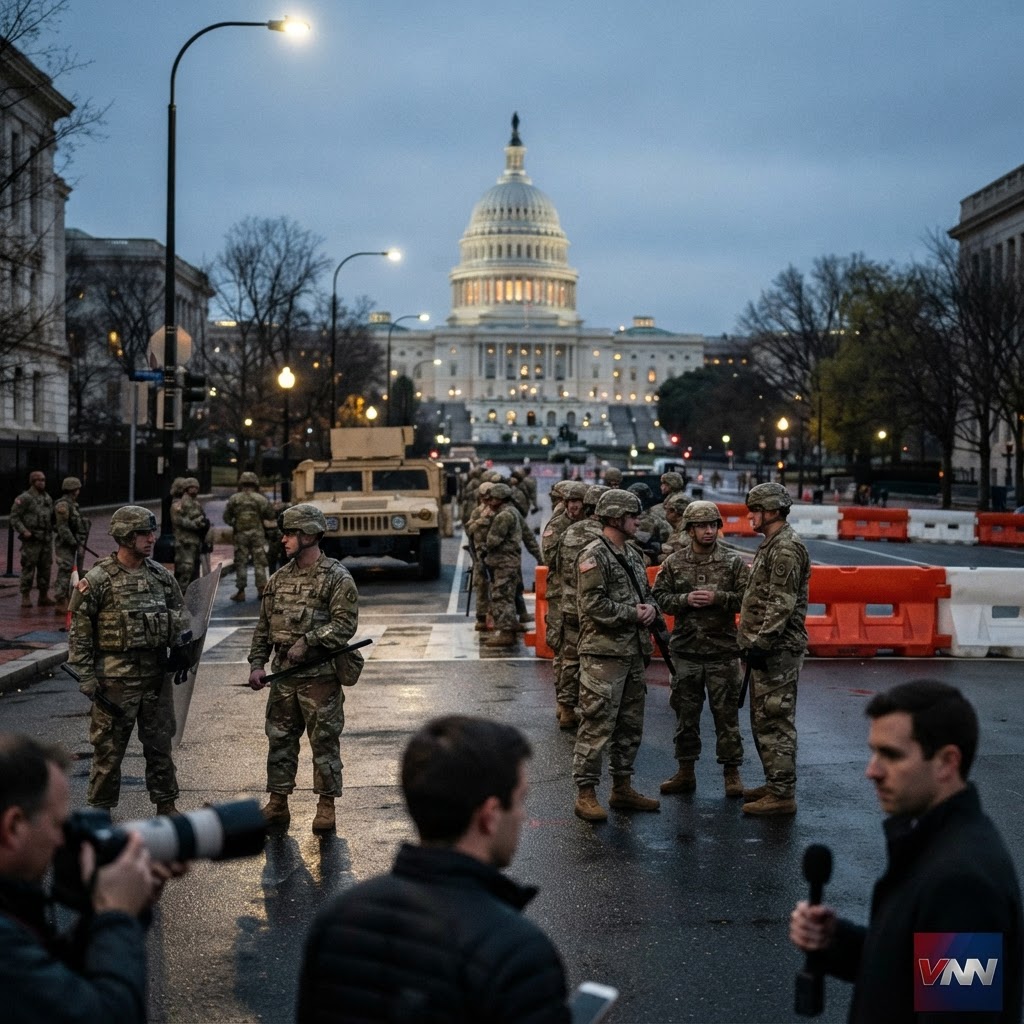
The backdrop of this revelation should not be understated. The ongoing bombing campaigns, characterized by targeted strikes against Iranian-backed militant positions in the region, have escalated tensions following a series of provocations from Iran, including attacks on U.S. interests. Trump emphasized the strategic importance of maintaining U.S. strength, indicating that the talks with Iranian officials came only after a prolonged period of military action. He noted, “They called me. They wanted to talk about it. They recognize the strength that we are projecting, and they are reconsidering their position.”
Reactions to Trump’s comments have been mixed, reflecting the polarized nature of U.S. foreign policy discourse. Proponents of a more aggressive stance argue that diplomatic overtures should not be made at the expense of U.S. national security interests. Critics, however, view Trump’s disclosure as an encouraging sign that Iran may be amenable to negotiations under pressure. Furthermore, this incident raises questions about the effectiveness of military interventions and whether they indeed lead to a reevaluation of hostile postures by adversaries.
Ultimately, the implications of Trump's assertion extend far beyond immediate military strategy. By revealing that Iranian officials sought to engage with him, Trump underscores a critical juncture in international relations: the balance between military might and diplomatic engagement. As the 2024 election approaches, this situation not only highlights the complexities of U.S. foreign policy but also poses a fundamental question about the role of American strength and diplomacy on the world stage. The ongoing saga of U.S.-Iran relations will likely serve as a pivotal issue in shaping future policies and electoral platforms.