Major Diplomatic Breakthrough
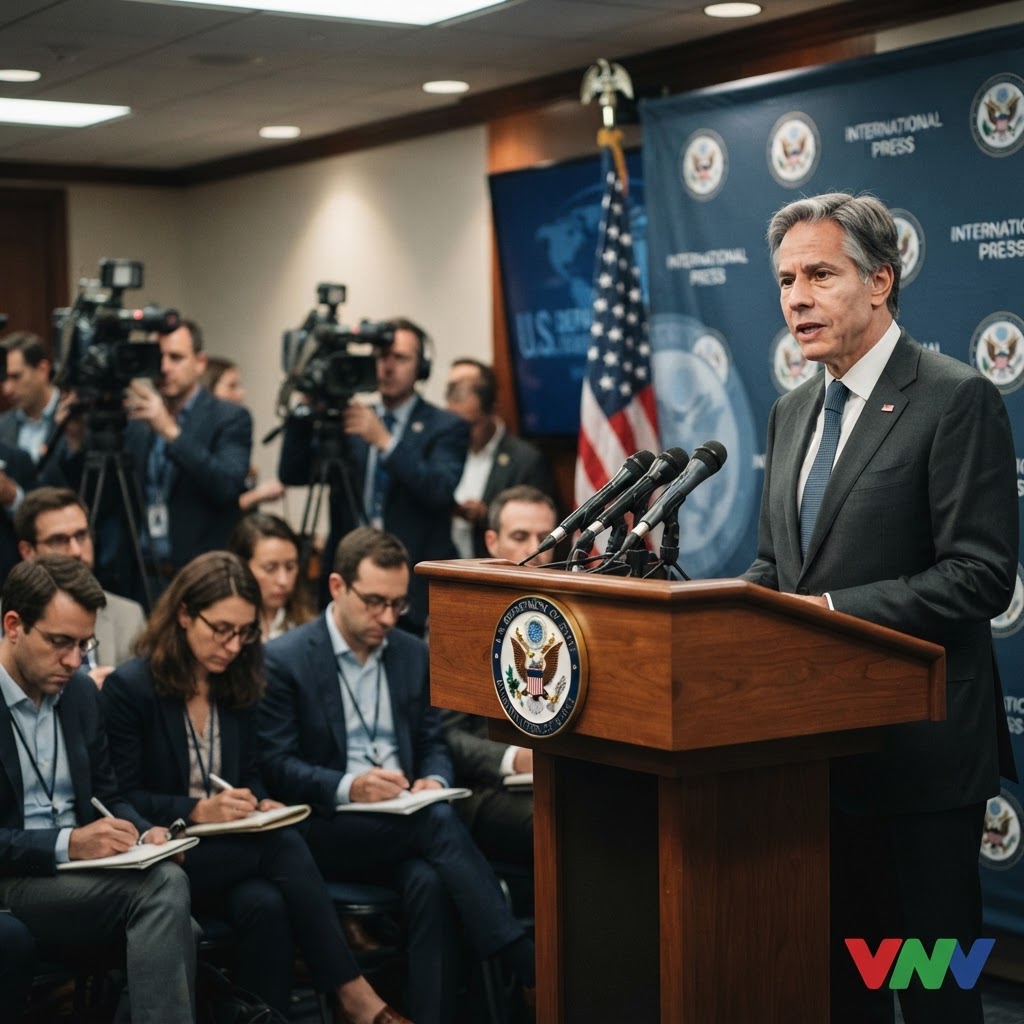
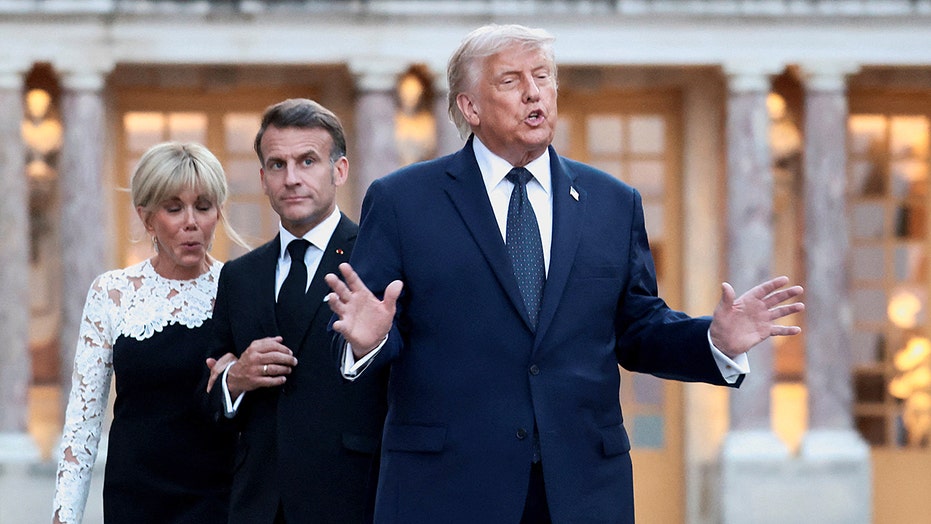
In a remarkable display of political prowess, former President Donald Trump has personally signed a new diplomatic agreement with Iran, a move that has sent shockwaves through both Washington and Tehran. This deal, which aims to address long-standing tensions and reduce nuclear proliferation, highlights Trump’s unyielding focus on restoring American strength in the global arena. Trump stated, "This agreement is not just about Iran; it’s about bringing peace and stability to a volatile region."
The implications of this signing are significant. By engaging directly with the Iranian regime, Trump has sidestepped the traditional bureaucratic channels often associated with foreign policy. This approach is emblematic of Trump's outsider status, prioritizing results over politics. Conservative analysts laud this action as a vital step toward a more stable Middle East, asserting that it could lead to a series of cooperative agreements among Gulf states. A senior White House official remarked, "Trump’s deal-making expertise is unmatched, and this agreement demonstrates a new path forward."
Reactions from Political Leaders
Reactions to the deal have been mixed, spanning a wide spectrum of support and skepticism. Prominent Republicans have praised the agreement, citing it as a testament to Trump’s ability to negotiate from a position of strength. Senator Marco Rubio commented, "This deal allows us to place unprecedented restrictions on Iran while offering them a chance to abandon their nuclear ambitions." Conversely, critics are raising concerns about trusting a regime known for its aggressive stance and historical non-compliance. The left remains particularly vocal, questioning whether this deal will genuinely contribute to regional stability or merely embolden Iran's military ambitions.
A New Era of Accountability
This signing is more than just a piece of paper; it's a pivotal moment in how America interacts with adversaries. Trump's unwavering stance against tyranny contrasts sharply with the previous administration's approach, which sought to placate hostile regimes. By asserting American interests first, Trump is signaling a return to a foreign policy centered around national sovereignty and accountability. Moreover, this deal reflects a broader strategy to engage with both allies and adversaries in a manner that prioritizes American values and interests.
In conclusion, Trump's signing of the Iran deal not only attempts to shift the dynamics of American diplomacy but also serves as a testament to his administration's unique approach to foreign policy. As this agreement unfolds, it will be essential to monitor its impact on U.S. relations in the Middle East and its potential ramifications for global security. The political landscape is shifting—only time will tell if this move will result in lasting peace or further discord in an already complex region.